
Posted on Leave a comment

Why Stanwood Families Are Skipping the Grocery Store

You’ve seen those fluorescent grocery aisles with waxed apples and plastic-wrapped wilted vegetables? Around every corner, shelves overflow with genetically-modified produce. Each product has traveled thousands of miles across the country smothered in chemicals all under the label “fresh,” but modified to last longer on the shelf. Within these products pesticides linger and GMOs hide in plain sight. Nutrition is questionable at best.​

But here’s the refreshing part. Clean 100% organic food still exists!

Box of Good delivers organic, GMO-free produce from local farms straight to your  Everett, Shoreline, Marysville, Bothell doorstep. No store traps. Just real garden-fresh food your family thrives on.

Taste the Difference 

The Grocery Store Trap

Organic labels in grocery stores sound safe, but items often hide GMO ingredients.

Not all “organic” labels are created equal.

Some organic products on the grocery store shelves contain as little as 70% organic ingredients. Some products may have no certification at all! Amid the grocery store chaos, chemicals quietly coat conventional produce and often go unnoticed.

Large stores count on confusion. Although you bought “Organic” your family still gets unwanted and unhealthy ingredients.

Grocery stores aren’t exactly looking out for your family’s health. The good news is, you are! Your family deserves better, and you’re here to find it!

Here’s how you win.

Box of Good “Organic means bringing local fresh farmers produce directly to you! No preservatives or two-week-old produce. You’re giving your family cleaner ingredients with better taste. Delivered from local Skagit Valley farms to your table, pure and fresh each season. You control purity, no store tricks, and no hidden extras. Just clean nutrition that actually supports you and your family’s health.

Your Choice vs. Their Game

Your Box of Good SolutionThe Grocery Store Trap
Always-organic clean ​Chemical residues
Verified GMO-free ​GMO experiments
Local Skagit Valley farms ​Shipped-in wilt
Doorstep delivery ​Store chaos
Seasonal variety ​Predictable boredom

Local Delivery Convenience in Stanwood Area

Every Box of Good item is healthy by design. We deliver produce that is verified 100% organic from trusted Pacific Northwest partners like Better Boat Farms.

·        Fresh & Local

·        Nutrient Rich

·        Ecologically Responsible

·        Sustainable Packaging

Build Your First Box

Grocery chains want predictable shoppers that disregard labels and grab bio-engineered deals.

You escaped that cycle. 

Box of Good brings seasonal fresh foods that include greens, fruits, family-size options, even Paleo wraps right to your door!

Skip the GMOs and pesticides. Choose local farm-fresh fruit, vegetables, and salad boxes delivered directly to your doorstep.

Order now and watch your family eat better, because you made the smart call.

~ The Box of Good Team​

Posted on

Baking by Guesswork

Last weekend, I was up early; earlier than normal. And instead of tossing and wishing I could go back to sleep I got up. I had even turned off my alarm the night before, hoping that I could sleep past 5am. 4:30 came and I was awake, but so was the morning sky. It was definitely worth the earlier start to my day, but truth be told, I will try and get in a siesta later. 

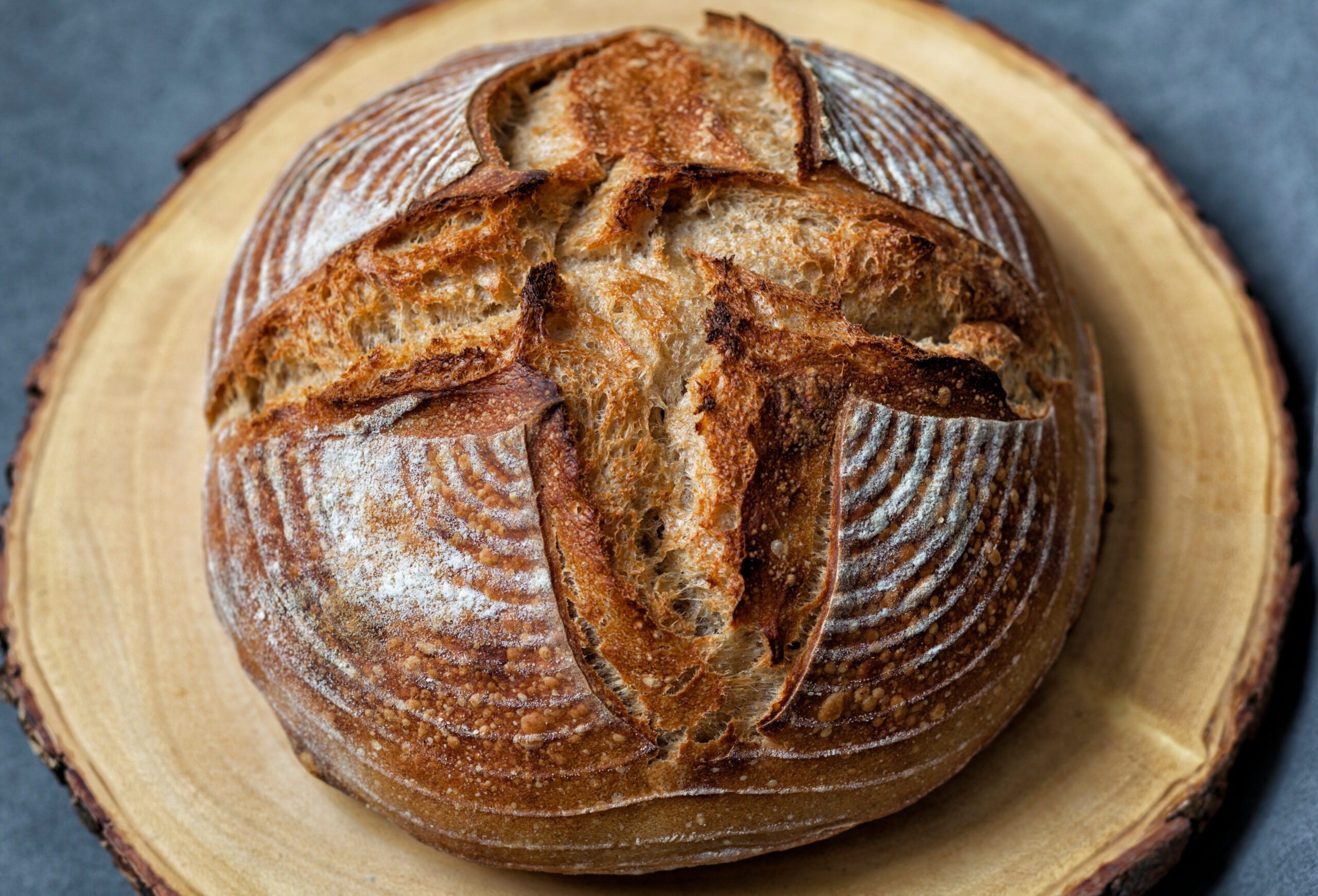
This morning I took advantage of the earlier start and started making sourdough bread, which in reality started a few days ago, when I “woke up” my starter and started prepping it for Sunday baking. That was a whole lot using the word starter, but you have to start somewhere. 😊 Baking is relaxing for me, I am not a pastry type of baker and I am certainly not a detail person, but I do like to follow a recipe at least once. 

I measure my ingredients using a scale. The baker’s formula is so simple 100% four, and then 80% water, 20% starter and 2% salt. So, in a real-world application it looks like this; 1200 grams of flour, 960 grams of water, 240 grams of starter and 24 grams of salt. As is my practice, I add the water, then the starter so it equals 1200 grams. Then I reset the scale to 0 and add the 1200 grams of flour, but this morning I turned off the scale by mistake and started adding flour. The reset and off buttons are right next to each other. I realized that it was turned off fairly quickly, but now I had no way of knowing how much flour I added. EEK! But in reality, close enough will work, so I added more flour and added more flour and then I thought, “this looks close enough.” Life can be similar to a recipe, and processes and habits are important, but when things shift or go awry, it will mostly work out. We will have fresh baked bread and the the kiddos and grand kiddos will make quick work of it.  

Healthy eating is similar to my bread baking experience, we need nutrition, and getting a Box of Good delivered is a great strategy to eating healthier. And because life is always happening, your delivery makes it easier to automate your health because good food is scheduled to arrive at your door. And much like the Baker’s formula helps a baker produce consistent loaves, your Box of Good helps you eat healthier. And for me staying as healthy and strong, as long as I can, is my goal, and it all starts with good food.  

This week we have fun, local purple carrots! I am attaching an article on Purple Carrots I found at https://www.organicfacts.net/purple-carrot.html  

Purple Carrot Nutrition 

Purple carrots have a similar nutrient profile to other types of carrots, with a few important distinctions. These carrots are a rich source of dietary fibervitamin Cpotassiummanganese, and vitamin K. There is a low level of calories – only 25 calories per cup – and only 5 grams of carbohydrates. When it comes to antioxidants, however, purple carrots have a good lutein and beta-carotene content. Purple carrots also contain more phenolic compounds, such as anthocyanins, than any other carrot variety, except for black carrots[2] 

Purple Carrot Health Benefits 

The most impressive health benefits of purple carrots include its effects on weight loss, chronic disease, cardiovascular disease, inflammatory conditions, vision, and circulation, among others. 

Weight Loss 

Purple carrots are particularly prized for their place in a weight-loss diet. This low-calorie, low-fat, and high-fiber vegetable is an excellent way to fill yourself up without compromising your dietary goals. Furthermore, digesting all of that fiber can help to speed up your metabolism, which can help with passive fat-burning if you’re trying to shed pounds. 

Cardiovascular Disease 

With high levels of dietary fiber and antioxidants that can help protect the integrity of the cardiovascular system, purple carrots are great for heart health. The fiber can help to lower overall cholesterol levels, which will lower your risk of atherosclerosis, heart attacks, and strokes, as well as cardiovascular diseases. The vitamin C in these carrots is also critical for the strength of the artery and blood vessel walls. [3] 

Reduces Inflammation 

Research has shown that anthocyanins, which are found in high concentrations in purple carrots, can help relieve many different inflammatory conditions, including arthritis, gout, headaches, and even hemorrhoids. [4] 

Improves Vision 

Although purple carrots contain less beta-carotene than orange and yellow varieties, there is also a significant amount of lutein and zeaxanthin in these carrots, all of which can help to improve vision. These antioxidants will reduce oxidative stress in the retina, preventing macular degeneration and lowering your risk of cataracts[5] 

Improves Circulation 

There is a decent amount of iron in purple carrots, which is great for boosting circulation, but the presence of vitamin C and other antioxidants will also help to prevent breakage and blockage within the circulatory system, ensuring that all your metabolic processes continue normally. [6] 

Treats Chronic Disease 

The high level of anthocyanins found in these colored carrots means that they are excellent antioxidants; these compounds are able to seek out and neutralize free radicals, which are responsible for cellular mutation and other forms of chronic disease, such as heart diseases, and rheumatoid arthritis. [7] 

How to add Purple Carrots to your diet? 

Adding purple carrots to your diet is very easy and healthy as well. Here are some simple ways to add them to your diet. 

  • Purple carrot salads: You can dice some purple carrots and add to any salad of your choice 
  • Roasted purple carrots: Slice the carrots and roast them with some olive oilsalt, and pepper 
  • Stir-fries: You can add purple carrots to while making any stir fry along with your favorite vegetables or meats 
  • Carrots and hummus: You can serve sliced purple carrots alongside hummus 
  • Soups and stews: Purple carrots can be added while preparing any soup or stew 

There are many ways to enjoy purple carrots, so start cooking and enjoy! 
Posted on

Fall Beans

Fall Beans

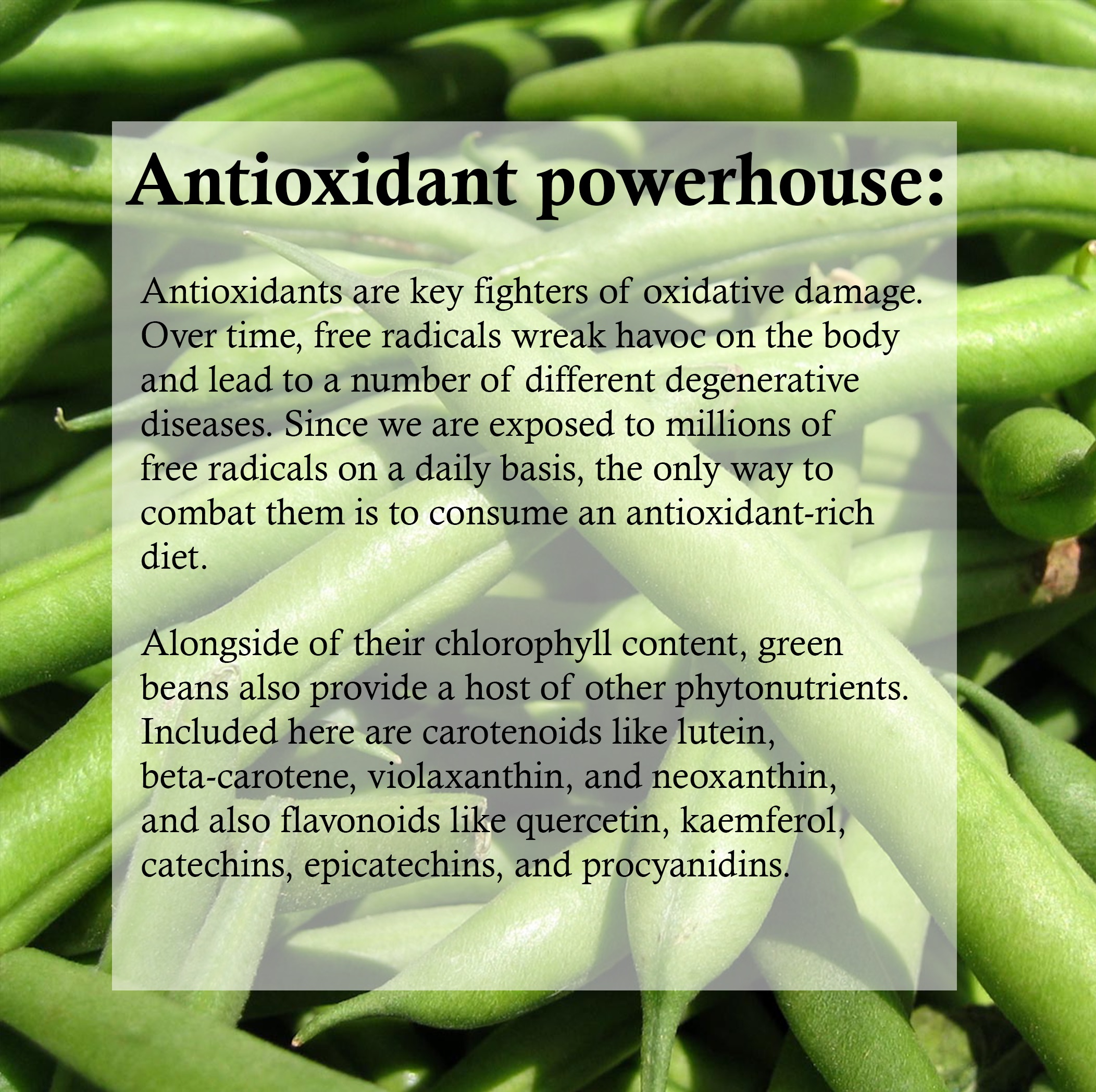
3,000 pounds of green beans! That is a lot of handpicked and hand selected nutrition. This has been an incredible farm season. The weather was manageable. It wasn’t too hot, it wasn’t too cold, and most rain events were welcomed. The smoke? Not so much!

Now that we are transitioning to Fall, the farm work shifts to putting the farm to “bed”. We are actively working ground that we are rotating to pasture that will be hayed for the next 3-5 years. We are also prepping the ground for garlic that we hope to plant in two weeks.

Speaking of garlic, this year’s crop was so good, large flavorful bulbs. I use garlic all the time for cooking. If I am roasting potatoes, beets, onions, or all of the above, I always toss in a few cloves. If I am sautéing or making a stir fry, I slice the garlic much like slivered almonds. And if I want to intensify the flavor of soup, I will mince it or use the garlic press add it that way. I am a big fan of garlic.

And since we are talking about garlic, John and I have decided to grow next year’s crop in hills that are going to be about 10” tall and 15” across the top. We are hoping that this will make it easier to harvest them next year. I am always tinkering and trying to find the best way to harvest or plant or just have a little less work.

Back to the farm, we are picking our last planting of green beans this week and next week. Fall beans tend to come on slower and yield a little less, but they also tend to hold a little longer on the vine than the summer plantings. A lot of growers will plant different varieties of the same crop at different times throughout the year. We see this with sweet corn where they want to stagger the harvest or tree fruit where you plant an early August apple, followed by a September apple.

Unfortunately, Organic growers, when it comes to green beans, have less options. But the Strike Bean seed happily grows from May – Frost and this year it did not disappoint. Beans are my go to snack when I am in the field – crisp, tender green beans.

Bon Appetit,
Thanks for eating Klesick Farms green beans and garlic! Tristan

Posted on

How to Eat Your BOX! (Week of 7/2/17)

Rainier Cherries:

Although you’ll quite likely find yourself eating them straight from the bag that they traveled to your home from, you should also try serving cherries with dinner over ice. The ice slowly melts into the bottom of the bowl, dragging some of the buoyed little fruits with them. Those ones are the best – completely cold and crisp throughout, melting away the summer heat from the inside.

Fun Fact: The light skin and delicate nature of Rainiers occasionally leaves light brown spots on the skin. This is not a flaw, but actually an extra-sweet sugar spot.

Beets:

Beets are great boiled or baked, sautéed or stewed. Usually, I cut them into bite size pieces to bake in the oven because I love roasted beets! Simply coat in olive oil, sprinkle with salt and pepper, and bake at 375° for about 35 minutes (try adding some parsley when they’re done).  But they can just as easily be cooked in a frying pan along with other veggies. The beet greens are great sautéed or steamed as well so don’t throw them out! Don’t let cook them too long though or they’ll get slimy.

Zucchini:

Zucchini is more often used as a cooking vegetable but can easily be enjoyed raw. It makes a great salad when sent through the spiralizer and tossed with carrots, cucumber, and snow peas. Like cucumbers, zucchini is good when marinated for a couple hours in the fridge. Simply toss in lemon juice, olive oil, crushed garlic, salt and pepper, cover and let sit in the fridge for a time. Add freshly chopped basil or parsley right before serving.


Zucchini Chocolate Chip Breakfast Cookies

Breakfast cookies are the number one thing I bake for my kids during summer and when I saw zucchini on the menu this week, I knew I needed to share this recipe with you all! These Zucchini Breakfast Cookies are ideal for active, hungry kids.

If you can keep some old-fashioned oats, coconut oil, honey, salt and cinnamon on hand—-you’re well on your way. Often, we add in smashed bananas (also on the menu this week!), peanut butter, apple sauce (or diced fresh apples), dried fruit, nuts and chocolate chips.

My kids aren’t huge zucchini lovers so when I discovered that they’d gobble these, my day was made. I hope you try them out and that your people love them, too!

Ingredients:


1 1/2 cups grated zucchini

dash of salt

1 tsp cinnamon

1/2 cup honey

1/3 cup coconut oil, melted

2 cups old fashioned oats

1/2 cup whole wheat flour

1/2 cup chocolate chips

Photo: © 2017 Northwest Healthy Mama. Used by permission. All rights reserved.

Directions:

Grate the zucchini and put it in a bowl.

Sprinkle in a dash of salt and add in the cinnamon.

Measure in the honey.

Melt the coconut oil and then pour it in, stirring everything together well.

Add in the oats and flour. Stir well.

Lastly, gently stir in the chocolate chips.

Scoop onto a greased baking sheet.

Bake in a preheated 350* oven for 12-15 minutes, or until cookies are set and starting to lightly brown around the edges.

Notes: Feel free to add in raisins, peanut butter, nuts or dried fruit!

By Angela Strand

Posted on

Perspectives

I am currently visiting my homeland of Peru. I was born and raised here – from kindergarten to college, Peru was my only home. At age 25, I moved to the United Stated to get my graduate degree and planned on returning to Peru after a few years living abroad. I eventually met Brad, who, three and a half weeks later, became my husband and just like that, I became a first generation immigrant! I never really thought of myself that way until about a month ago, when I was asked to write my “Defining Moment.” Now, I have two homelands, both with room for growth, both full of wonderful people willing to spread goodness and happiness around the world.

At first sight Lima, Peru can be chaotic, loud and cloudy. Lima is a city full of contradictions. It sits in the desert, right next to the ocean. It is the second richest land in natural resources and is still categorized as a developing country. It also happens to be GMO-free.

One of the first things I do every time I come to Peru is visit a farmers market. What used to be an everyday way of life has now become a weekend event, in an effort to remind us of where it all comes from. Foods I grew up eating (and forgot about over time) are the stars of the show. Some I loved, like lucuma, forte avocado and chirimoya, and some I avoided, like the beloved quinoa, amaranth and noni. Today, I cherish them all.

By moving away, I learned to appreciate what I have here. Cooking became comforting – a way of staying closer to home even though I was thousands of miles away. I found that keeping our culinary traditions alive was a way of keeping Peru always in my heart. In my constant search for fresh ingredients, I am reminded that no matter where I am, every civilization begins with agriculture.

Human communities, no matter how sophisticated, cannot ignore the importance of agriculture. To be far from dependable sources of food is to risk malnutrition and starvation. In modern times, in our urban cities, it’s easy to forget this fundamental connection. Insulated by the apparent abundance of food that has come from new technologies for the growing, transportation and storage of food, humanity’s fundamental dependence on agriculture is often overlooked.

All this to say, let’s share with those around us the importance of supporting our local farmers. Locally grown food not only tastes better, it was probably picked within the past day or two. It’s crisp, sweet and loaded with flavor. In addition, local food supports local farm families everywhere. For example, with fewer than one million Americans now claiming farming as their primary occupation, farmers are a vanishing breed. Therefore, local food is about the future. By supporting local farmers today, you can help ensure that there will be farms in your community tomorrow, and that future generations will have access to nourishing, flavorful, and abundant food.

Sara Balcazar-Greene (aka. Peruvian Chick)
Peruvian Food Ambassador
peruvianchick.com
instagram.com/peruvianchick
facebook.com/theperuvianchick

Posted on

Peas and Pears

As I spend more and more time in the field, I love that the farm is coming alive. Spring is like a magnet – it draws me from a deep restful slumber to a “Yes, I am ready for spring” experience. These daily spring walks invigorate my soul. I know what is about to happen. It has been the cycle of my life for the last 18 years, yet it is always fresh, always new, and always CRAZY!

If we are going to maintain or increase our health, what we eat will be important. And, let’s face it, we are going to eat. Why not eat the good stuff? I am a huge proponent of, “If we eat better, we will feel better.”

As spring marches forward, so does the bounty of the local harvest! Every day, as I wander through my fields, taking mental notes, noticing the garlic, fruit buds, dandelion blossoms, honey bees and other insects, the signs are clear. Soon I will be orchestrating a beautiful symphony of local, organic, and nutrient-rich food.

Bon Appétit

tristan-sign

Tristan Klesick

Posted on

I Really Like Farming!

I can hardly contain my excitement! Every year I get a little winter’s rest and then the first crocuses show up and I am chomping at the bit to get out there and get going. As a matter of fact, I already planted my two green houses to spinach and radishes. I am planning on another early and warmer spring.

Do you know what my favorite crop is to grow? The one I am harvesting! If my plantings make it to harvest (most do), that is always my favorite crop at the moment. Picking it at the height of nutrition and flavor, packing it, and getting to you—that is exciting! And the nice thing about growing vegetables and fruit is there is almost always something to harvest.

I was just out in my fields, checking in on some overwintering curly parsley and chives, and you know what I found? Beets! Those beets were too small to harvest last fall, so we left them in the ground and now they are ready. The tops aren’t in the best shape, but the beets are solid and tasty. I wish I had planted more! Which is another nice thing about farming—I get to try it again next year! So, I will plant beets a little earlier (mid-August) and I will plant more of them, then I will have more beets to sell in the spring.

Now I might be the only farmer writing this newsletter, but a whole lot of you are chomping at the bit to grow some vegetables, too. Which is why Klesick Farms is now carrying vegetable seeds from High Mowing Organic Seeds. This is where I buy most of my seeds. I recognize that if we are going to have healthy food for generations to come, we are going to need genetic diversity in our seeds.

There are two ways to support organic seed production:

1. You can buy vegetables from growers who use organically grown seeds (if you are reading this letter you can check

that off!).

2. Or you can plant them yourself and still buy some of your vegetables from me.

If you are a gardener and would like to support organic seed production, you can buy them through our website or you can go to: highmowingorganicseeds.com/klesick and order them directly. Either way, shipping is free.

Also, we have arranged with Michael, at Rents Due Ranch, to have organically grown tomato, peppers, basil, and strawberry plants available this spring, so stay tuned for updates in early March for their availability.

Bring on spring!

tristan-sign

Tristan

Posted on

Good Choices

A recent study by Harvard Business School and Duke University’s Fuqua School of Business determined that shoppers who brought their own reusable bags to the grocery store tended to buy more “organic” or “green” type products, but then tended to fill those bags with items from the middle section of the grocery store (i.e., high fat, high sugar and packaged). They were able to track these trends because the shoppers with reusable bags received $0.03 bag credit on their receipts. Ironically enough, the environmental good accomplished by using a reusable bag was offset by the items they were purchasing. And to compound the issue, the health benefits were more perceived than experienced because of what they were purchasing.

Another study by researchers at the University of Pennsylvania’s Wharton School recently followed shoppers through the grocery store. The study was designed to discover what shoppers were buying and how they flowed through the store. When the researchers were digesting the data, they discovered an interesting trend: customers who placed kale in their carts immediately followed that selection with ice cream.

I believe I understand what was going on in these studies:  the shoppers “felt” better about their purchases because they were using a reusable bag and putting better “packaged” food in them. Granted, those “organic” or “green” packaged products are better than their nonorganic counterparts, but they are still not ideal for healthy living. This study is more intriguing because these consumers were purchasing fruits and vegetables and then treats. In both cases, the real desire to eat better, live better or do right by the environment was a driving factor, and since a good choice was made, a little latitude was granted to make a less healthy choice.

Many of us go through similar choices every morning. We wake up and stand on the all-knowing “barometer of life”—the bathroom scale—and at that moment we decide, “Uh oh, better eat better today L ” or “Yay! I am down a couple pounds, I have room for another latte, donut, ice cream bar, etc. J”

I think it is human nature to offset a good choice with a less than good choice. And while many of you, like me, had the luxury to eat like that in our younger years, I would contend that that window of luxury has passed. Today I need to make a more determined effort to stay healthy. The nice thing is that eating better leads to feeling better. Now all that needs to happen is to say “yes” to more fruits and vegetables and position myself to be successful. This is what you have done because you have a box of good food delivered to your home!

Enjoy!

tristan-sign

Posted on

Klesick’s Special Thanksgiving Holiday Box

Every Thanksgiving holiday season we offer a special Holiday Box ($40) full of traditional organic Thanksgiving meal items for your celebration. Not only can you schedule a Holiday Box to be delivered the week of Thanksgiving, but it is available for the entire month of November (available Nov. 1-Dec. 5). You can have this box delivered along with your regular order or in place of your regular order (please specify your preference when placing your order). The box menu is as follows:

NEWSLETTER PIC 2

Remembering Neighbors in Need.

If your celebration includes helping the less fortunate who live in our community, we would like to partner with you by giving you the opportunity to purchase a discounted Holiday Donation Box for only $32, to be given to local food banks the week of Thanksgiving. Last year 122 Holiday Donation Boxes were distributed and this year we’d love to have a greater impact. The volunteers at the food banks have expressed again and again how wonderful and satisfying it is to be able to supply people with fresh produce. You can order a Holiday Donation Box online or by contacting our office.

Special Thank You Offer!

For every Holiday Donation Box you purchase, Klesick Farms will send you a copy of Matty Ride’s Christmas CD

KF Christmas CD Art

tristan-sign

Tristan Klesick

Posted on

This has been fun!

A February like this is…just grand! Mowing my lawn in February – who would in their wildest dreams (or nightmares) have expected that?! Sure, it is only February, and the other coast is buried in snow, but not us! We might as well enjoy it while it lasts. As a farmer, I always have my eye on what I think the weather is doing and might do.

Okay, I am not quite doing cartwheels (Maleah is though), because it is February and we usually don’t start working the dirt until mid to late March. More often than not I hold off starting early, because the ground isn’t dry enough to really start. Also, more often than not I have to redo work when I’ve gone and jumped the gun. Now I know Diesel is amazingly cheap right now, but starting early in the fields can really harm the land and cause problems later.

That was a roundabout way to say that I am tempted to fire up the tractor and work the ground…but probably won’t.

President Abraham Lincoln said, “[Good] Things may come to those who wait, but only the things left by those who hustle.”

Amen, President Lincoln! The art of knowing when to wait and when to hustle is a fine line. When I was younger, I would have been considered an early adopter, an opportunist always hustling. As I have become more “seasoned” through the years, I have learned when to wait and when to hustle. Right now, waiting to start the tractors is the prudent choice. As a caveat, if the weather is still this nice in early March, then I will need to get after it and start hustling.


But right now? I will take my time “warming up” to the weather and enjoy it (maybe even go canoeing!).


tristan-sign

Posted on

When it comes to less plastic, we have it “in the bag”

Last week I wrote about the journey that brought us to using recyclable cardboard boxes in our delivery business. This week I want to share how we came to the place of using plastic bag liners for these boxes. We currently line our boxes with a FDA approved biodegradable plastic bag. Each bag has perforated holes to help with ventilation and transpiration. Ironically enough, we are using plastic to save on plastic.

Before we started doing home delivery as our primary source of distribution, I worked in retail produce and had my own produce store as well. During that time I watched many customers load up on healthy organic produce and leave with a plastic bag of Fuji apples, navel oranges, lemons, onions, potatoes, garlic, lettuce, radishes, and a paper bag for mushrooms. This was just how it was done in the 90s and before. It was just more convenient, since every item had to be weighed separately. So when we switched to home delivery from retail produce, we did what we had always done, we used lots of plastic bags to deliver the produce.

As we matured as a company and moved from paper bags to recyclable cardboard boxes, we were able to cut out 90% of our plastic bag use by using one plastic liner inside the box and packing everything inside it. We still used the small plastic bags to pack the “extras,” like bananas, lettuce or apples, which customers ordered in addition to their “box of good,” but we were still using too many plastic bags in our service.

About five years ago we noticed a trend: customers were not only buying a standard box of good, they were also ordering many additional produce and grocery items as well. Some customers had also started ordering “a la carte” and not even getting a regular box. That was different. We were suddenly using more plastic bags again. Customers were shopping with us like a grocery store, and we found ourselves packing produce orders like a grocery store – using separate plastic bags for each item.

We were happy to fulfill these “a la carte” orders, to make healthy eating as easy as possible for our customers, but we did not want to be using that much plastic. We decided to start packing these “a la carte” orders like our regular boxes, which again drastically cut our plastic use. We now call these orders “custom boxes” and are packing 170 custom boxes a week, easily eliminating over 1,200 bags a week, which makes 60,000 less plastic bags a year! Add in our regular boxes and we are using 10,000 less plastic bags each week, which makes 520,000 less plastic bags a year!

Imagine, just by purchasing your organically grown fruits and vegetables through us, you are helping eliminate the use of over half a million plastic bags a year – plastic bags that are not being manufactured and thus not going to our landfills. WOW!

We are focused on bringing your family the freshest fruits and vegetables in the safest and most sanitary way possible, and doing it with less plastic is a bonus.


tristan-sign


plastic bag saga

Posted on

Holiday Week Changes

Holiday Week Changes

Alternate Delivery Schedule:

We will be on an alternate delivery schedule the weeks of Christmas and New Years. Please watch your email for your revised delivery day.

Revised Ordering Deadlines:

If you plan to add or change an order for the weeks of Christmas and/or New Years, please note our revised ordering deadlines:

  • Our office will be closed 12/25-26 and 1/1-2 in observance of the holidays.
  • Coffee Orders:Due 5:00 p.m. on Thursday before the holiday week.
  • Bakery Orders:Due noon on Friday before the holiday week.
  • All Other Orders:Due 8:00 a.m. on Sunday of the holiday week.
  • Will You Need to Skip a Delivery?Please let us know as soon as possible.

Orders/changes received after the above deadlines will be scheduled for your subsequent delivery day. Ordering deadlines will revert to normal after the holiday weeks.

Posted on

Simple and Beautiful Holiday Bread

Once again December is upon us. It feels like yesterday when tulips started blooming and rejoiced with their colors, summer heat gave us a good excuse to eat watermelon by the pounds (well, I did), and then the fall air became crispy enough to get us all excited about hats and scarfs. But December has done it again—it surprised us with the smell of hot cocoa and festivities everywhere we turn.

December is festive, fun, colorful, warm, traditional and giving. It gives us the opportunity to reconnect with friends, a chance to indulge on special ingredients, an excuse to get dressed up and a reason to be a little more giving than usual.

This past September my parents came to visit. I am so thankful my husband and I were able to spend almost two months with them. It was like being back home. As expected, most of the time we were in the kitchen cooking, baking, talking. My parents LOVE bread. They have it for breakfast and at tea time, every day. So that sent me into a “bread making kick.” Few things are as good as well-made, fresh bread—the initial crunch, then the softness of the inside. It’s even better when it’s warm and the smell lingers throughout the house.

Artisan bread is my favorite. It’s rustic and very forgiving. I do not own a bread-making machine and I had never made bread in my life until I discovered the 5-minute Artisan Bread. After that I was making bread every day and loving it!

Offering homemade bread is a warm, personal gesture, carrying the best sentiments of the season. Accompanying it with a jar of homemade warm apple compote makes the perfect gift! All you need is four ingredients, parchment paper and a dutch oven (recipe on back). Add fresh rosemary for a more savory flavor, fresh oregano for an Italian twist or even chocolate chips for some sweet fun! It takes almost no time to make but can be a wonderful gift for a party hostess or a neighbor. It tastes and looks good and don’t forget to package it thoughtfully.

But let’s face it, we all get busy and may not have time to make homemade bread for every occasion, but you can add a loaf of Breadfarm artisan bread to your next Klesick order. Make a big batch of apple compote (recipe on back) ahead of time, store in jars and refrigerate. Next time you are heading out to a Christmas party, wrap that pretty bread with parchment paper, grab a jar of apple compote and delight your friends with this tasty treat!

Sara Balcazar-Greene (aka. Peruvian Chick)
Peruvian Food Ambassador
peruvianchick.com
instagram.com/peruvianchick
facebook.com/theperuvianchick


ARTISAN BREAD


6.5 cups all-purpose flour

3 cups luke-warm water

1 tbs salt

1 tbs yeast


In a large bowl, stir together the flour, salt and yeast. Add the water and use a wood spoon to stir together until the mixture is thoroughly combined.

Cover dough with plastic wrap and let sit at room temperature for 2 hours. Dough will bubble up and rise. After dough is ready, preheat oven to 500 F. Cut half of the dough and place onto a well-floured surface. With floured hands, form the dough into a ball.

Place on top of parchment paper and let rest for 45 minutes. While dough is resting, put your dutch oven into the preheated oven for 30 minutes. After the 30 minutes are up, carefully remove the dutch oven. Slice 1/4″ deep cuts into the surface of the dough. Carefully lift the dough and place, with paper and all into the preheated pot. Replace the lid and slip it back into the oven. After 15 minutes of baking, remove the lid. The dough only needs to bake in the steam for that amount of time. now it is time to add a lovely caramel color to the bread. Turn the heat down to 450°F and bake for another 15-20 minutes, depending on the size of the loaf. Once the loaf is nicely browned, carefully remove it from the pot with a spatula. Peel off the parchment and allow to cool on a cooling rack. Bread will be golden, crusty and delicious!

WARM APPLE COMPOTE


2-3 apples peeled and thinly sliced

Coconut oil

Cinnamon

Maple syrup

Apple cider


Sauté apples in coconut oil until slightly brown, add a pinch of cinnamon and maple syrup. Let apples caramelize. Add a splash of apple cider for a more runny consistency. Enjoy on hot toast. Spread almond butter if you’d like and enjoy!

Recipe inspired by Feastingathome.com

Posted on

Late Summer Soup

For weeks now people around me have been hinting at fall. “It’s coming!” they’ll say. Or, “Did you feel the chill in the air? It’s almost here.” And I would just simply look at them and shake my head, not yet. I wasn’t ready and fretted a bit not knowing if this would be the one year that I regret the coming of the next season. But I should know this by now; it happens in an instant and I think today is that instant.

We’ve just returned from three days of camping in the woods. A sort of last hurrah complete with a camp fire that never quit, a breezy hike to the beach, bacon cooked until crisp over the fire, stories told with sticky marshmallow covered fingers, and dirt, well, everywhere. As we were packing up our tents, the gray clouds started to sprinkle and the ice cream cone that I craved just the day before turned into a spiced cider craving. Suddenly, thoughts of apples hanging low in the trees made me giddy and raspberries seemed so last season. I’m craving butter baked into pies tucked around tart, crisp apples and sturdier vegetables roasted until sweet then whirred into a light, yet creamy soup that gently warms during the soft coolness of the evenings.

I have that sort of soup today (recipe below). It’s hearty and yet somehow light, which in my mind is the perfect setup for a transitional soup. You know, the sort that can still be enjoyed on a sunny day but satisfies when the days are getting shorter and you need more heft than the salads of summer can offer. This soup uses an assortment of vegetables with cauliflower making up the bulk, but really it could easily be adapted to what you have lying around. The idea is a tray filled with roasted vegetable blends with onions, stock and cooked potatoes, so that it’s creamy but not heavy cream creamy – that wouldn’t be right for a transitional soup.

There’s also the leek, which is a member of the allium family, but the flavor is lighter and somehow more refined. We could boast of all the vitamins found in leeks here too but we don’t want them getting a big head.

Their paper-thin layers tend to collect dirt so I like to cut the leeks in half then run them through cool water. From there I thinly slice them and use them as you would onions. But even raw in a salad they do just fine, as their flavor is less abrasive than their cousin’s. They are just the right match for this sort of late-summer soup.

I should have remembered that my moment would come eventually. The one where I’m suddenly ready for cool weather and cozy evenings at home, or maybe I’m just too tired and don’t want to think of unloading the car from our camping trip. Either way, tonight seems like the perfect one for this soup.

by Ashley Rodriguez                                                                           

Chef, food blogger, and full-time mom.

You can read more of her writings at www.notwithoutsalt.com

Creamy Roasted Vegetable Soup

Ingredients

1 medium head cauliflower,

1 large leek, white part cut in 1/2-inch slices

4 celery stalks, cut in 2-inch pieces

5 tablespoons olive oil, divided

1 onion, diced

3 garlic cloves, sliced

1 potato, diced

1 tsp thyme leaves

Pinch chili flake

4 cups chicken or vegetable stock

1 13.5 ounce can coconut milk (or whole milk)

1 1/2 teaspoons kosher salt

Pepper

Directions

  • Preheat your oven to 400° F.
  • Toss cauliflower, leeks, and celery with 3 tablespoons olive oil 1/2 teaspoon kosher salt and a few grinds of black pepper. Roast on a baking sheet for an hour or until vegetables are tender and there is a good deep color on many bits of the vegetables.
  • In a large pot add the remaining 2 tablespoons olive oil over medium high heat. When the oil shimmers add the onions and cook until translucent, about 5 minutes. Add the roasted vegetables, potatoes, thyme, chile flakes, stock, coconut milk, and 1 teaspoon of kosher salt. Bring to a boil then reduce to the heat to medium low. Simmer for 10 minutes or until the potatoes are tender.
  • Carefully puree the soup in a blender. Taste and adjust seasoning.

Recipe adapted from the book Small Plates and Sweet Treats


Posted on

Grilled Green Beans and Peaches

Serves 4

Ingredients

2 peaches, cut into ½ inch wedges

1 lb. green beans, trimmed

2 tablespoons olive oil

Kosher salt and freshly ground pepper, to taste

2 tablespoons slivered almonds

1 tablespoon sherry vinegar

Directions

Toss peaches and trimmed green beans with the olive oil; season with kosher salt and freshly ground black pepper.

Cook in a grill pan or in a skillet over high heat, tossing often, until beans are crisp-tender and peaches are lightly charred, 8–10 minutes.

Toss with toasted slivered almonds and Sherry vinegar. Serve and enjoy!

Recipe adapted from Bon Appétit