Last weekend, I was up early; earlier than normal. And instead of tossing and wishing I could go back to sleep I got up. I had even turned off my alarm the night before, hoping that I could sleep past 5am. 4:30 came and I was awake, but so was the morning sky. It was definitely worth the earlier start to my day, but truth be told, I will try and get in a siesta later.
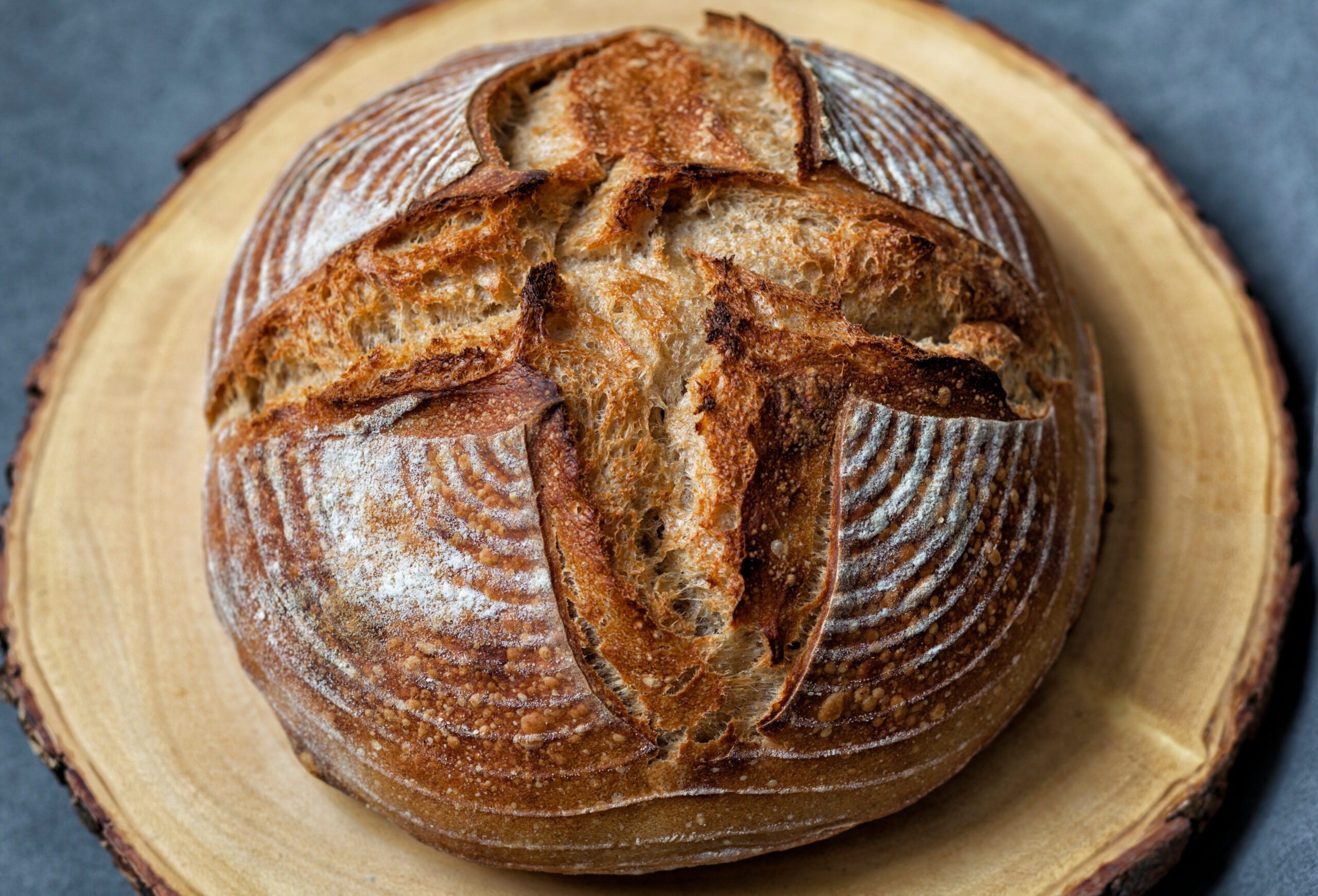
This morning I took advantage of the earlier start and started making sourdough bread, which in reality started a few days ago, when I “woke up” my starter and started prepping it for Sunday baking. That was a whole lot using the word starter, but you have to start somewhere. 😊 Baking is relaxing for me, I am not a pastry type of baker and I am certainly not a detail person, but I do like to follow a recipe at least once.
I measure my ingredients using a scale. The baker’s formula is so simple 100% four, and then 80% water, 20% starter and 2% salt. So, in a real-world application it looks like this; 1200 grams of flour, 960 grams of water, 240 grams of starter and 24 grams of salt. As is my practice, I add the water, then the starter so it equals 1200 grams. Then I reset the scale to 0 and add the 1200 grams of flour, but this morning I turned off the scale by mistake and started adding flour. The reset and off buttons are right next to each other. I realized that it was turned off fairly quickly, but now I had no way of knowing how much flour I added. EEK! But in reality, close enough will work, so I added more flour and added more flour and then I thought, “this looks close enough.” Life can be similar to a recipe, and processes and habits are important, but when things shift or go awry, it will mostly work out. We will have fresh baked bread and the the kiddos and grand kiddos will make quick work of it.
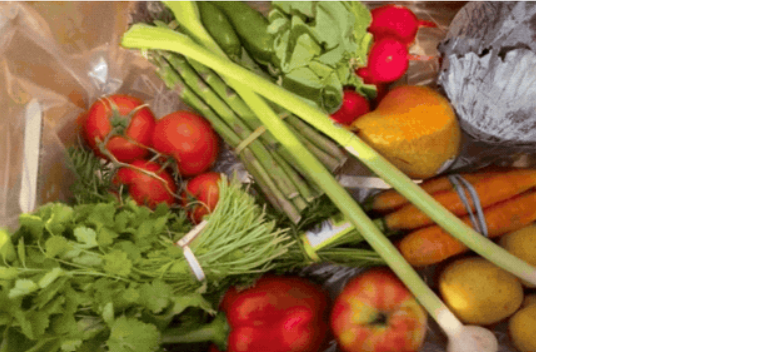
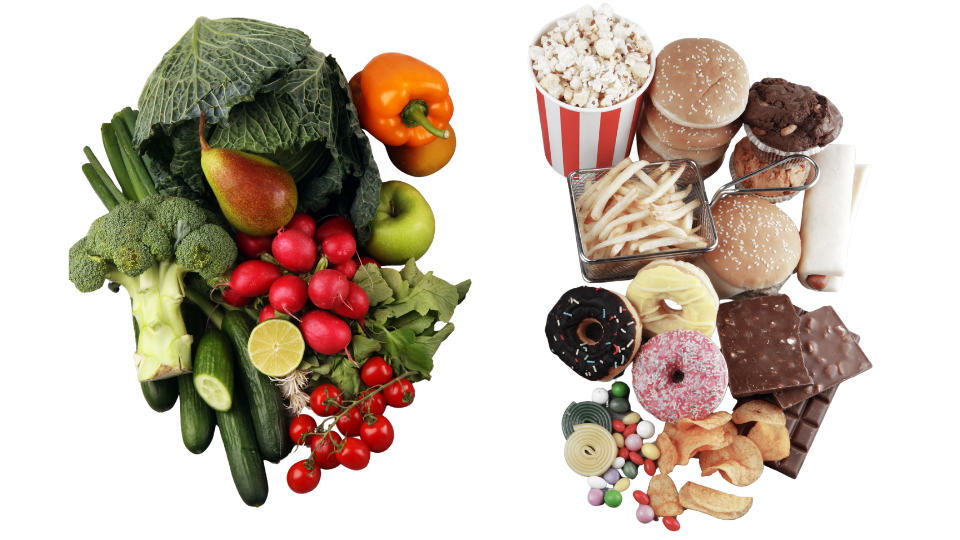
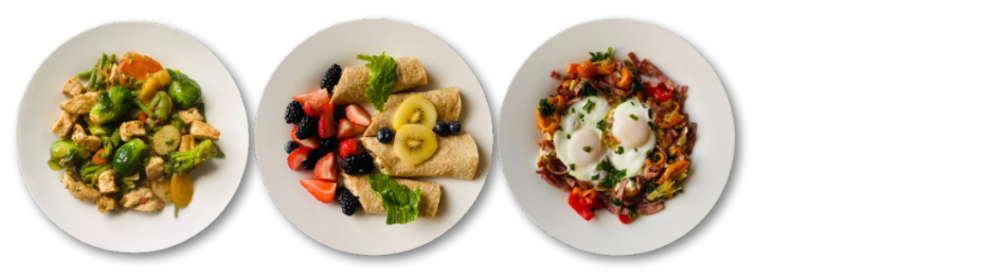
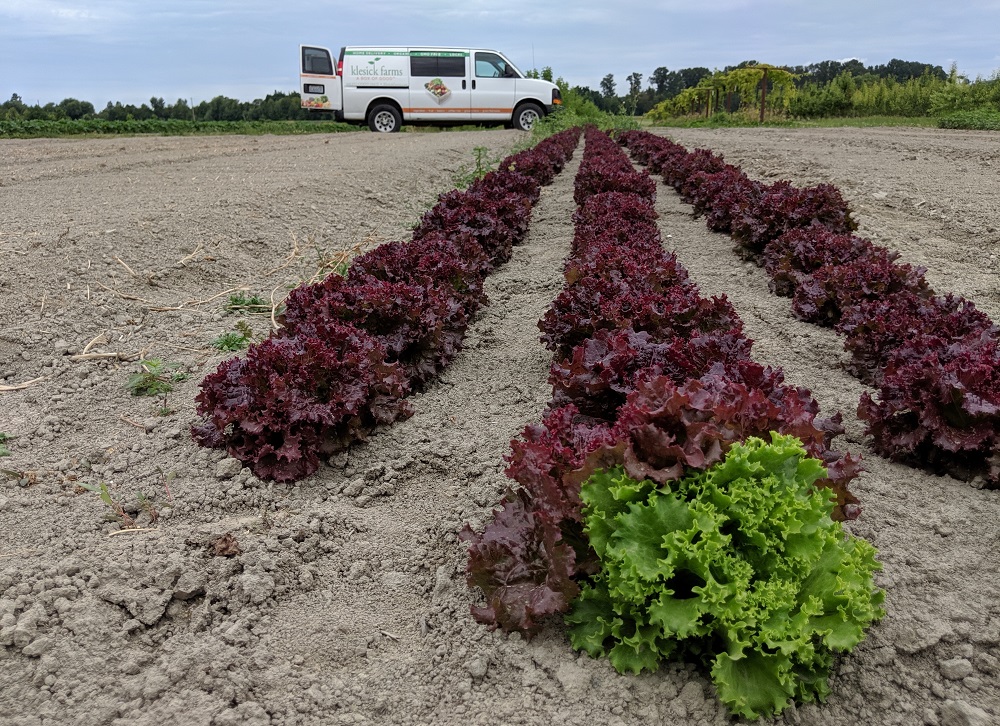
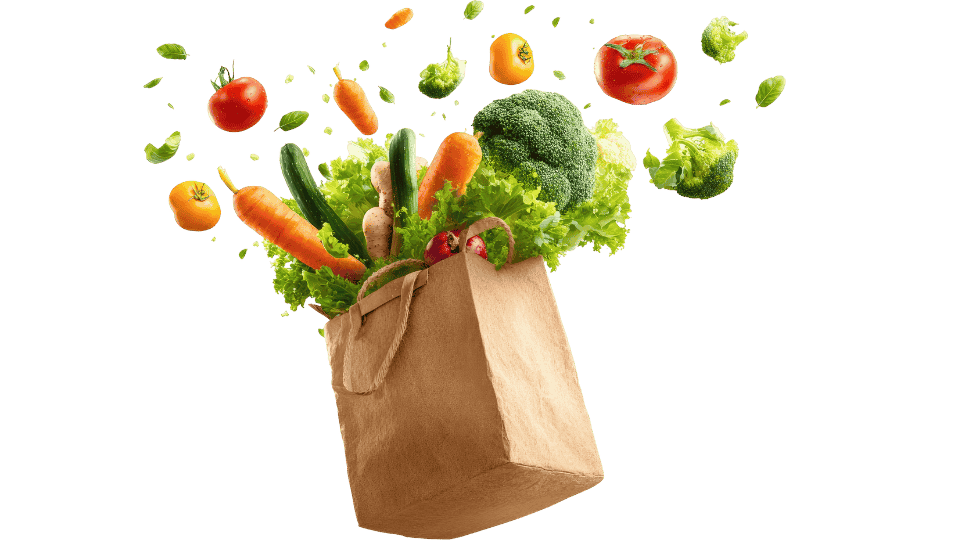
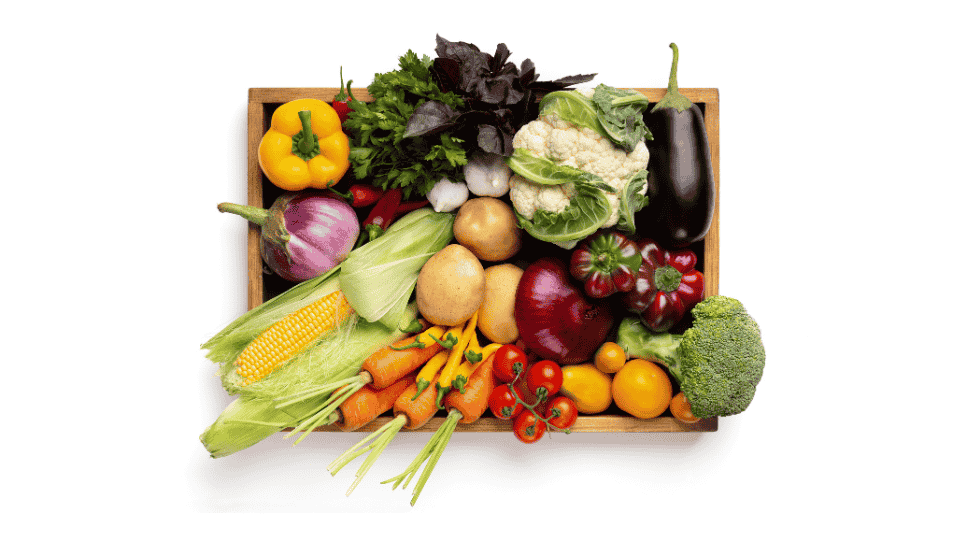
Healthy eating is similar to my bread baking experience, we need nutrition, and getting a Box of Good delivered is a great strategy to eating healthier. And because life is always happening, your delivery makes it easier to automate your health because good food is scheduled to arrive at your door. And much like the Baker’s formula helps a baker produce consistent loaves, your Box of Good helps you eat healthier. And for me staying as healthy and strong, as long as I can, is my goal, and it all starts with good food.
This week we have fun, local purple carrots! I am attaching an article on Purple Carrots I found at https://www.organicfacts.net/purple-carrot.html
Purple Carrot Nutrition
Purple carrots have a similar nutrient profile to other types of carrots, with a few important distinctions. These carrots are a rich source of dietary fiber, vitamin C, potassium, manganese, and vitamin K. There is a low level of calories – only 25 calories per cup – and only 5 grams of carbohydrates. When it comes to antioxidants, however, purple carrots have a good lutein and beta-carotene content. Purple carrots also contain more phenolic compounds, such as anthocyanins, than any other carrot variety, except for black carrots. [2]
Purple Carrot Health Benefits
The most impressive health benefits of purple carrots include its effects on weight loss, chronic disease, cardiovascular disease, inflammatory conditions, vision, and circulation, among others.
Weight Loss
Purple carrots are particularly prized for their place in a weight-loss diet. This low-calorie, low-fat, and high-fiber vegetable is an excellent way to fill yourself up without compromising your dietary goals. Furthermore, digesting all of that fiber can help to speed up your metabolism, which can help with passive fat-burning if you’re trying to shed pounds.
Cardiovascular Disease
With high levels of dietary fiber and antioxidants that can help protect the integrity of the cardiovascular system, purple carrots are great for heart health. The fiber can help to lower overall cholesterol levels, which will lower your risk of atherosclerosis, heart attacks, and strokes, as well as cardiovascular diseases. The vitamin C in these carrots is also critical for the strength of the artery and blood vessel walls. [3]
Reduces Inflammation
Research has shown that anthocyanins, which are found in high concentrations in purple carrots, can help relieve many different inflammatory conditions, including arthritis, gout, headaches, and even hemorrhoids. [4]
Improves Vision
Although purple carrots contain less beta-carotene than orange and yellow varieties, there is also a significant amount of lutein and zeaxanthin in these carrots, all of which can help to improve vision. These antioxidants will reduce oxidative stress in the retina, preventing macular degeneration and lowering your risk of cataracts. [5]
Improves Circulation
There is a decent amount of iron in purple carrots, which is great for boosting circulation, but the presence of vitamin C and other antioxidants will also help to prevent breakage and blockage within the circulatory system, ensuring that all your metabolic processes continue normally. [6]
Treats Chronic Disease
The high level of anthocyanins found in these colored carrots means that they are excellent antioxidants; these compounds are able to seek out and neutralize free radicals, which are responsible for cellular mutation and other forms of chronic disease, such as heart diseases, and rheumatoid arthritis. [7]
How to add Purple Carrots to your diet?
Adding purple carrots to your diet is very easy and healthy as well. Here are some simple ways to add them to your diet.
- Purple carrot salads: You can dice some purple carrots and add to any salad of your choice
- Roasted purple carrots: Slice the carrots and roast them with some olive oil, salt, and pepper
- Stir-fries: You can add purple carrots to while making any stir fry along with your favorite vegetables or meats
- Carrots and hummus: You can serve sliced purple carrots alongside hummus
- Soups and stews: Purple carrots can be added while preparing any soup or stew
There are many ways to enjoy purple carrots, so start cooking and enjoy!