Posted on

August

It is that funny month, where you hang onto every last drop of Summer and yet are looking forward to Fall. The mornings are cooler, but the days are still hot and smoky! A good rain would sure be appreciated by everyone across the West. I recently paused and read this great email/newsletter written by Tom Stearns from High Mowing Seeds that summed up the season better than I could. It is written for growers by a grower. I pulled out this small excerpt to share with you. (Disclaimer. I receive no financial benefit by saying this ?. I purchase most of my organic seed from High Mowing Organic Seeds and would encourage you to give them a try, too.)


In Need of Pause

August. What does it bring to mind for you? Perhaps it is harvests: long, seemingly never-ending harvests. Or maybe it is water: the drips we give our thirsty plants, or the lakes, ponds, streams and rivers in which we cool our over-heated bodies after a long day in dusty fields. Certainly, August embodies the Sunday Syndrome of summer: although the season is not yet over, we already begin to look past it to what the next has to offer. This strange, hot month offers us a respite – a needed breath of air before plunging in again for cool, abundant autumn.

I have always appreciated how the poet Helen Hunt Jackson described this month in her poem of the same name: an “interval of peace” in which “all sweet sounds cease, save hum of insects’ aimless industry.” It truly is a pause – a greatly needed one – in which our plants are finally at stasis, if only briefly, and we can at last sneak away for an afternoon or an evening to do nothing but perhaps listen to the hum of aimless insects and recharge the wellspring for the final push of summer.

Wishing you a welcome pause this month,

Tom Stearns, Owner & Founder
High Mowing Organic Seeds


Farmer or not, those words aptly describe what most of us are experiencing.

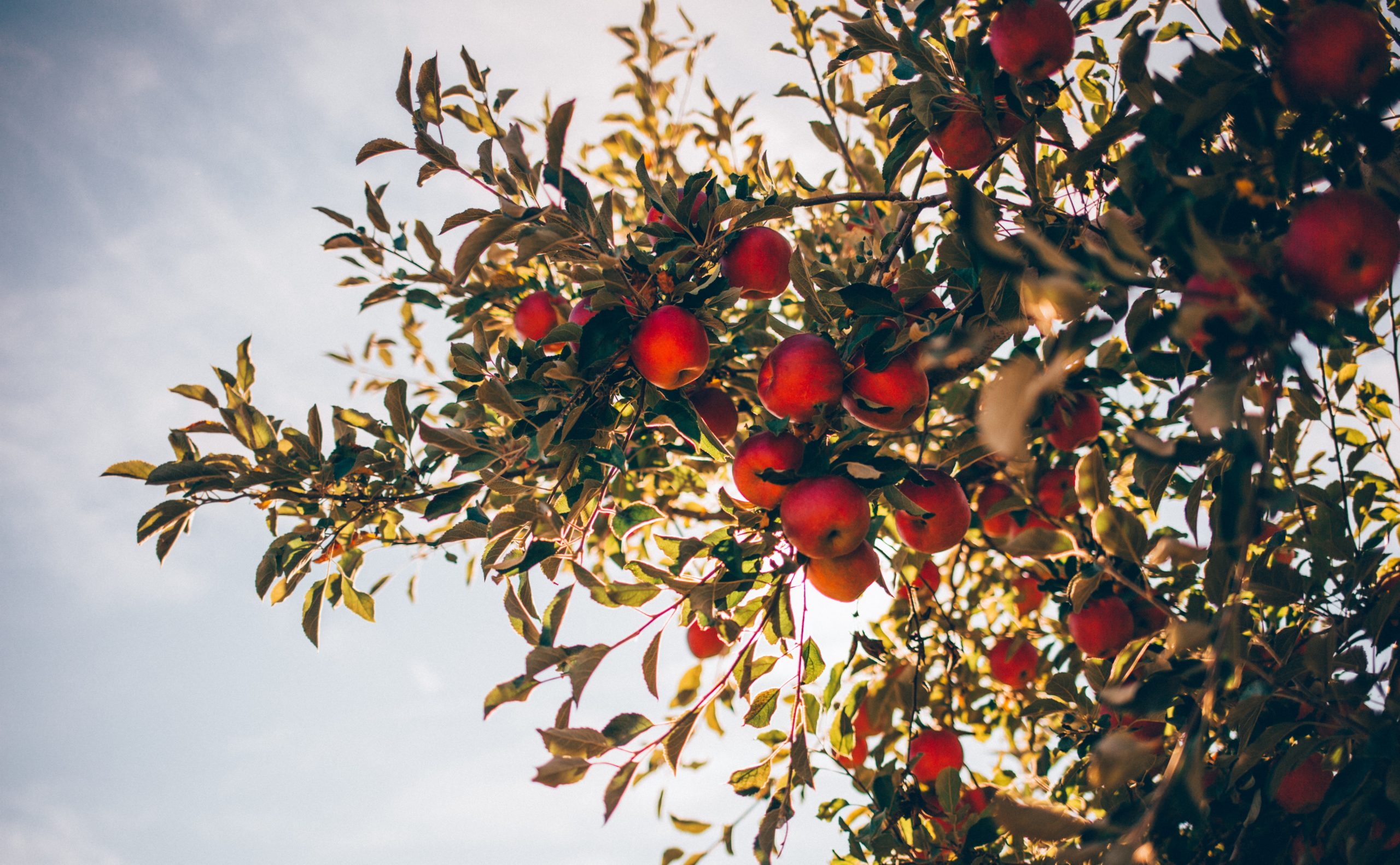
Our farm is at that spot, plantings have slowed, summer harvest is going strong and weeding is mostly caught up. Fall is often busier than Spring and ironically, what went into the ground as a seed in June is now coming out by the ton.  My attention is definitely on Fall crops, like making sure to pick the apples before they fall! That doesn’t always happen, but when one drops, the rest are not far behind. Corn, winter squash and pears are not far off either and then there is the last plantings of garlic, winter kale, frisée, and Radicchio’s to be planted. We will also be planting cover crops to feed the soil and protect it from the compaction of winter rains.

I am tired just thinking about it all, but at the same time I am energized to see it through to completion.


Tristan

For the tired farm crew.
Posted on

When Time Flies By…

When I was younger I thought I had the “tiger by the tail.” I had unlimited amounts of energy and ideas and was constantly moving and doing. But now I have a little more seasoned appreciation for life and where to invest my limited energy and unlimited ideas.

Farming is one place where an unlimited amount of energy has served me well. When Joelle and I started farming over 20 years ago, you couldn’t even “google” us and “earthlink” was our internet dial up provider.  That’s akin to shopping for school clothes at Montgomery Wards or Sears! If you are lost about now, you can “google” it and get a history lesson. ?

We have chosen to stay small, local and control our own deliveries. It is an important distinction that we control so much of our offerings. When your name is on the Box of Good, you want it to be as perfect as possible.

“Mr. Klesick is a passionate person” or “He cares about the big picture.” These sentiments come across my desk quite frequently. It stems from my desire to bring you the freshest and healthiest organic fruits and vegetables because the freshest and healthiest vegetables are what fuel our bodies to serve our families, friends, and communities. Eating is important as is eating the best of the best and that is what the Klesick team tries deliver to you every week.

I also believe that Americans and the world are eating less vegetables and fruit and less diversity of vegetables and fruit. Consequently, these important nutrients are missing in a majority of Americans’ diets. Sadly, they are being replaced with more shelf stable and processed foods. I firmly believe that if Klesick’s is going to be a part of the solution to America’s nutritional crisis and the host of maladies that come from eating a diet low in vegetables and fruit, our boxes of good need to have a diversity of fruits and vegetables to maximize our health.

This is no easy task because all of us have different taste buds and all of us to one extent or another have been “tricked” by our taste buds (or corporate America), to prefer sweet and salt and not the subtle taste profiles of greens or plums.

For me, I use a “crowd out” strategy to eat healthy. On my plate I “crowd out” room for the more processed foods by filling my plate with a lot of vegetables and fruit. It takes a while to get use to eating this way, but by leading with the healthier fruits and vegetables my body says, “thank you.” And this body is the tool that I get to use to serve my Lord, my family, my community and you! I want to be as healthy as I can, so I can serve others as long as I can.

Tristan

Your farmer and Community Health Advocate

Posted on

A Time to Heal

Last week was the week I decided to fix my knee. I had twisted it around Mother’s Day and had been limping along for a few months between doctor visits and what not. Finally, it became obvious that surgery or limping along for the rest of my days were my two choices. I settled for surgery and had my knee scoped and all cleaned up—hopefully for a good long time, too.

Can I state the obvious? July on the farm is not the best time to slow down and few things slow you down more than a knee surgery. Currently, the Klesick farm team is in full harvest mode, planting mode and playing mode, but I am in CONVALESCING MODE! Not for long! I am already feeling better and gaining mobility.

When to schedule a surgery? That was a surprisingly easy decision. I took the earliest date possible. Around here we say, “Why put off tomorrow, what you can do today!”

So, for the last two weeks I have been running the farm from the “seat of my pants” in a very literal way! I have an awesome team and am grateful for their help.

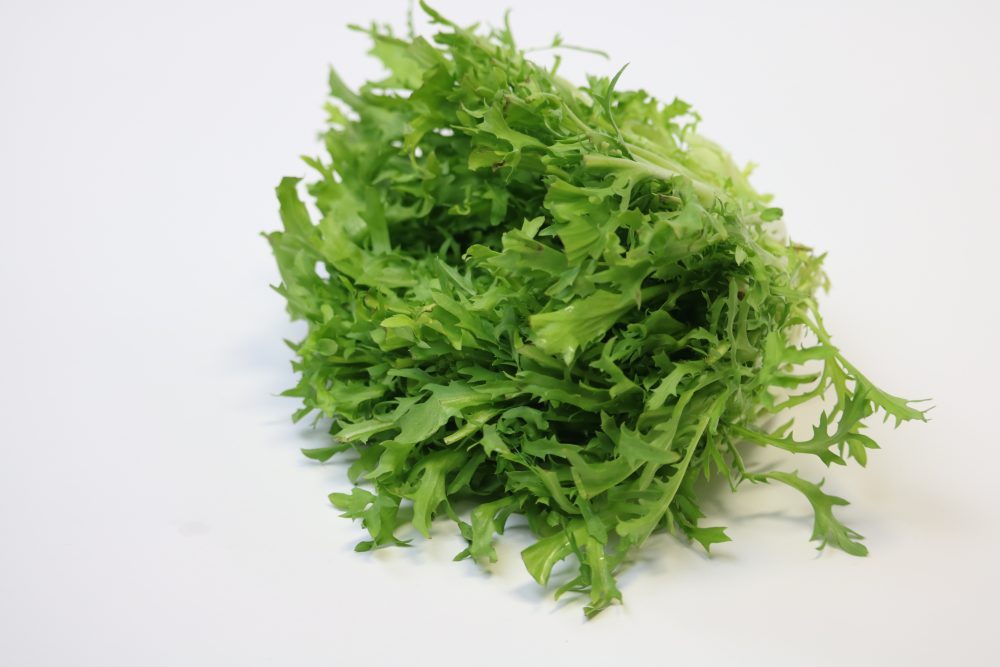
Frisée

This week we are featuring Frisée and all its health benefits. The Bitter Greens are so foreign to the American taste buds, but so critical to our health. Here is an excerpt from an article by mindbodygreen.com:

Imagine if you could eat something that would help your liver, act as a gentle diuretic to purify your blood, cleanse your system, assist in weight reduction, cleanse your skin, eliminate acne, improve your bowel function, prevent or lower high blood pressure, prevent anemia, lower your serum cholesterol by as much as half, eliminate or drastically reduce acid indigestion and gas buildup by cutting the heaviness of fatty foods, and, at the same time, have no negative side effects and selectively act on only what ails you. 

If I also told you that this wonder food also tasted good in salads, teas, and soups, what would you do to get your hands on this treasure? Well, thankfully you have nature on your side, providing these miracle plants in abundance during spring!

I’m talking about bitter greens. Dark and leafy, some great examples include dandelion, arugula, and kale. In addition to being vitamin-rich (like most greens), bitter greens are exceptionally beneficial for digestion. They have a bold flavor that may take some getting used to, but the health benefits are definitely worth the effort!

Cheers to your Liver’s Health!

Tristan Klesick

Your Farmer and Community Health Activist

Posted on

From Peas to Beans

I can’t remember a year when I went from picking peas to picking beans. I wish I had more of those wonderful sugar snap peas, but…they love the cool weather and July is about when they decide to call it quits. This has a been a particularly good year for leafy vegetables and peas. I am always amazed at the fortitude of plants. Their whole purpose is to reproduce and as a farmer my whole purpose is to keep harvesting so that the plant will continue to keep producing, in this case, peas.

We have picked peas 2-3x a week for the last three weeks and even though I try and stagger my plantings, they all finish up around the same time. When it comes to peas, I have learned to plant once. The challenge with that is you can lose a crop when the weather turns south or, as in this year, hit a home run!

Now we are transitioning to Beans. My hamstrings are hurting just thinking about picking them. We grow a bush type bean that concentrates the harvest over a two-week period. Beans unlike peas handle staggered plantings pretty well. I have found that the April plantings are only a week a head of the early May plantings. There are also June and July plantings of beans. Those July plantings always make me a little nervous because most of my summer help heads back to school and Soccer season starts up about the time I need to pick them. They’re planted now!

We are also in the throes of raspberries and blackberries. We pick them every day and put them in our menus. This time of year, the menu planning is a little “squirrely”! Have you ever gone to a restaurant and the menu says, “Seasonal Vegetables or Seasonal Fruit”? Around here that is how we roll. I am constantly bringing up a few more random fresh vegetables and the packing team is tweaking the menus to fit it in and get out to you.

A good example of this in action is raspberries and blackberries. The season starts with raspberries and then blackberries start a week later and then both are on at the same time and then raspberries slow down and the blackberries keep trucking which is where we are right now. So, we will plan to bring you either raspberries or blackberries depending on which is ready on a given day.

This is probably too much information, but it is a glimpse behind the curtain of a working farm. And I believe that getting you the freshest fruits and vegetables is my primary job and sometimes it works itself out like “Seasonal Vegetables or Seasonal Fruit”, but all of it is organic and good for your health!

Thank you,


Tristan

Farmer and Community Health Advocate

Posted on

Oh My

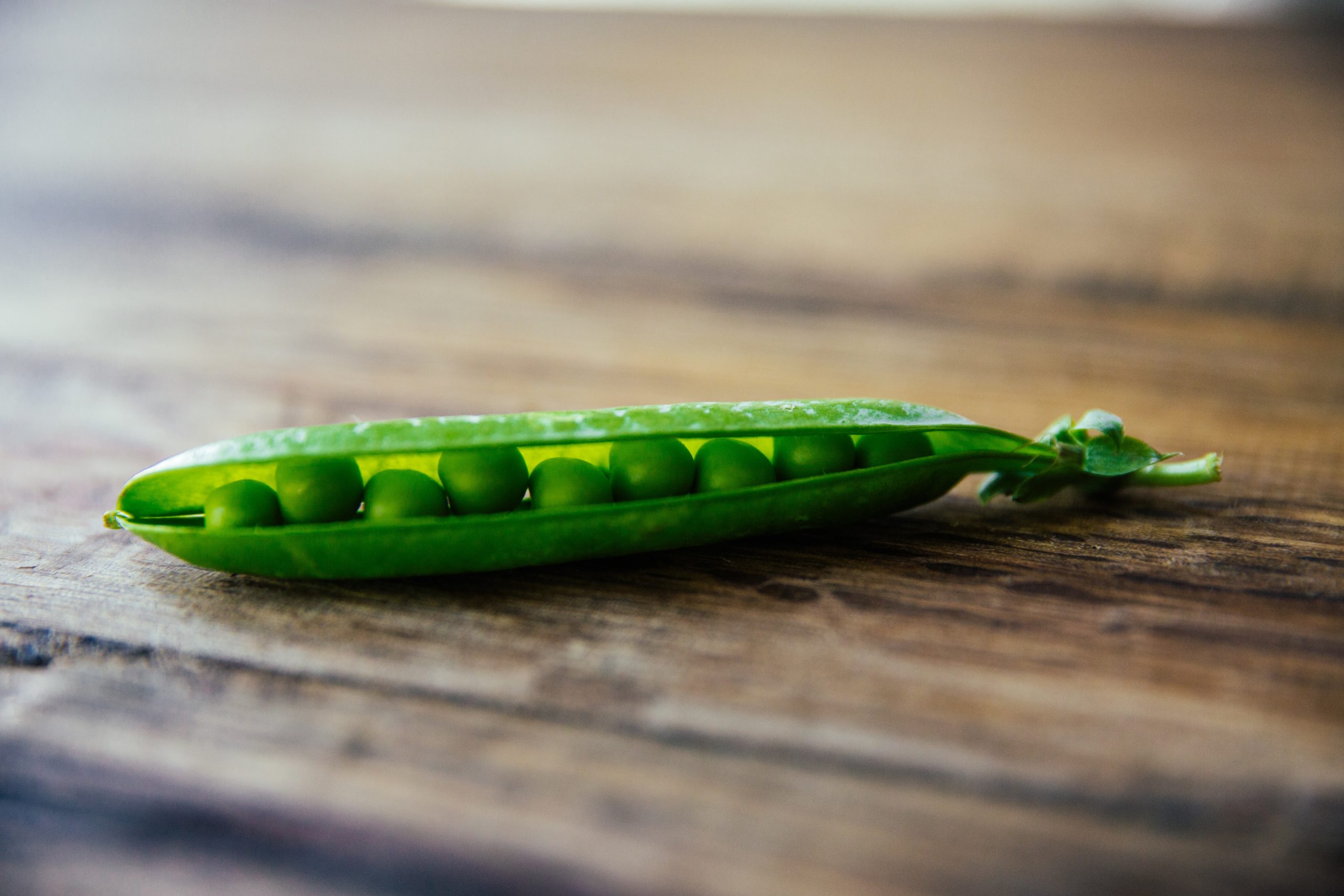
peas, opened pod

I feel like we are in the middle of an energetic piece of music. Every instrument is playing and playing hard and I while I can play almost every instrument, I have been relegated to the position of Maestro because of my knee injury!

I don’t relish that spot. I much prefer to be a part of the orchestra and conduct on the side. But as with most things, when your attention is divided, so is the work and so is the result. I am still working around the farm—mostly checking on what to do next, picking a few berries, monitoring the health of the crops, what needs water, what needs weeding, what is going in the ground next and when and what we will harvest in the near future.

As with most good pieces of music, the Farm season starts out slow. First, the planning, studying and selecting the vegetables: How will I modify the system this year? What works best for our farm, climate, crew? So many pieces before a single piece of dirt is plowed. As with most things, a little planning goes a long way and a lot of planning can really help.

I will say that with farming, though planning is critical, you hold onto them loosely because farming is a living system and is impacted by the weather in a very real way. As an example, last year it stopped raining June 15th and started raining September 15th. This year it didn’t rain in May and mostly rained in June. On the farm that means it has been a great year for lettuce, beets, peas, but cucumbers and tomatoes are not as happy. Of course, this year I planned for a lot of tomatoes. I still believe we will get a hot summer and my tomato crop will come.

The planning is done for the year. Now we are modifying the plan. Currently, I am weighing whether to plant a Fall crop of leaf lettuce or let the season play out. I will probably do both—some more plantings, but not as much. That’s primarily due to more warm weather, but also school starts up and fall soccer kicks in which can make it hard to find enough help to weed and harvest.

But for now, it’s all hands on deck. It is the busiest time of the season. The local crops are being harvested daily and delivered to you as fresh as possible. My poor packing crew. They almost run the other way when I roll in from the farm or neighboring farms, because they know that I will bringing something that needs to be fit into the menus, something that’s fresh, nutritious and just needed to be picked!

I love this season, but when Fall rolls around, I am more than ready for the Farm to quietly resolve and end peacefully. Although this year as your fulltime Farming Maestro I am not sure what that season will look like, I imagine that in September I will already be thinking about January’s planning of next year’s Farming season. Hopefully, with a fully functioning knee!


Tristan

Your Farmer and Community Health Activist

Posted on

Mobility

Thank you for all the kind comments and outpouring of care expressed over the last few weeks. The gift of movement is much more appreciated by this farmer than ever before.  Essentially, I can walk pain free, but can’t kneel or climb stairs, and while I am waiting for the MRI results, I have adapted to farming with limited mobility. 

Once I understand the problem better, I will make the best choice going forward. Initially, when my knee locked up, I went into full rest mode hoping that it would heal quickly. After a few weeks of therapy, icing and rest with very little progress, I pursued an MRI. As I was resting and learning to drive an office chair ?, I realized that I was able to get around better with the limited mobility. So that is what I am doing.

If you check out our Instagram or Facebook page, you are probably aware that the farming portion of our business is about to explode. We have been primarily harvesting Lettuce, but now we are going to be adding Sugar Snap peas, Chards, and Bok Choy. Beans, Raspberries, and Blackberries are close also. This is the absolute best time to be a farmer and the absolute worst time to be LAME! But here I am. 

The hardest part for me is actually thinking in advance. There is so much that has to be done now and a lot of it gets decided the day of.  Decisions like: Do we save the Kohlrabi from being swallowed by weeds or do we trellis the peas? What time should we transplant the next round of cabbages and cukes—this evening or tomorrow? Or remember that we need to direct seed the 4th planting of beans so that we will have something to harvest in August. Don’t forget to pay attention to the Garlic. It is getting close and it is beautiful.

All these things are coursing through my mind as I WALK the fields wishing I could just jump right in and do SOMETHING! But I do have a new farm crew and they are quick learners. They can discern between pig weed and chard and thornless blackberries and blackberries with thorns. These are important skills. I am learning how to manage and be less of a doer. It is not an easy transition, because I love to farm, but, it is a necessary transition as I get older.

It is comforting to know that it takes four teenagers to REPLACE me (SMILE).  Not really. We are getting way more work done than I could by myself. I am also comforted that for the two weeks I was less active, Klesick’s kept humming along.

Our team, every one of them, is incredibly talented! This has made my ultimate goal of serving you by delivering organically grown farm fresh produce that moves the needle on your personal health uninterrupted.


Tristan Klesick

Your Farmer and Community Health Activist

Posted on

A Family Farm

Every farm at one time was a family farm. But along the way, farming became more business-like and less farm-like. Don’t get me wrong, farming has a bottom line and to stay in business a farm has to make a profit. What changed though? When did our food become so impersonal? It’s just lettuce, or tomatoes, or?

Just lettuce, for example, takes a year in the making. The lettuce seed farmer has to grow the lettuce plant to produce seeds, clean the seeds, and then package the seeds. Then a lettuce farmer has to buy the seeds, fertilize the fields, and plant the lettuce seeds. Then about 6-10 weeks later that farmer gets to harvest the lettuce and sell it to a thankful customer. But because our farming regions are further and further from urban centers, we are losing touch with the farming industry that is essential for life.

As a farmer I am in awe that food is so readily available and that we have so much local food available. The Puget Sound/Salish Sea area of Western WA has a robust local farm economy. We are blessed with so many smaller farms, surrounded by larger farms – dairies and berries. The whole system is interwoven and supported by tractor dealers, farm suppliers, veterinarians, food processors, etc.

To feed people you need farmers and farmers need land. Thankfully, much of Western Washington farmland is in flood plains—AKA not good places to build houses. These rich alluvial soils that are some of the most productive in the world are right here in our own backyard! This same farmland is a multi-benefit landscape providing many other benefits to our local communities. In addition to local food and food security, local farms store flood water, filter water from the hillsides and cities before it gets to the rivers and estuaries, provide open space and lots of habitat for a host of non-human critters too.

But what makes all these direct and indirect benefits of local farmland possible? A willing consumer and a willing farmer that have developed a mutually beneficial and meaningful relationship. For us, local customers are the reason we are farming. Because of you we grow food—organic, non-polluted food—that nourishes you, your family and indirectly benefits the entire local ecosystem. You might say that having local farmland farmed by local families is a win for you, the farmer and the local eco system.


Growing food for you,

Tristan Klesick

Your Farmer and Community Health Activist

Posted on

Weed Soon and Weed Often

I always know that I am planting at the right time of the year because everything else around me is germinating too! And oh boy, it looks like it has been a good year for the other seedlings – AKA Weeds!

As an organic farmer, I have a fairly high tolerance for weeds and weed pressure. Really weeds are just misplaced plants or in my case, just happen to germinate in mass wherever I want a crop to grow! But I have learned a few things in my 20 years of farming: better to weed early, the earlier the better.

Given my high tolerance for weed, one could say that I have built a fortune of weed seeds in my farm’s “Weed Bank.” And just to be clear, I am not talking about marijuana, although in the 1970’s the largest marijuana crop was being illegally grown across the street from my farm. Now to be fair, this was before my time and the current neighbors. But as lore goes, the illegal crop was planted in the middle of a field of cow corn.  As luck or bad luck would have it, the marijuana outgrew the corn, and someone spotted it from a helicopter. As they say, “The rest is history.”.

Not to be outdone, the Miller Road lore continues. Nissan was filming a 300zx commercial on our road. Boys and testosterone are not a good mix for the windy farm road we live on. Well anyway, the same field that grew the marijuana/corn crop had been converted to pasture and the film crew was a little nervous with the bystanders observing all the happenings. Apparently, Ferdinand the Bull didn’t care for the color of a RED sports car cruising by, so they asked the farmer kindly to put the bull in the back field.

And lest you think I am telling another yarn, there was the time that a young man with a brand-new motorcycle was drawn to the Miller Road (must have a siren call). Just as he was feeling his “oats” (farm talk for being a little too big for “yer” britches) coming out of the first corner heading into the straight stretch he met the “S” curves and laid that bike out about 60 feet into my strawberry field. Thankfully, only his pride and his bike were bruised. Even more thankfully, my daughters had finished picking the berries about 30 minutes before! Still gives me the chills just to reminisce about it.

Boys, testosterone and the Miller Road. Thankfully, the Miller Road is now a dead end and we don’t get near the bypass traffic we used to.

Oh, back to the weeds. I am talking about dandelions, thistles, chickweed, pigweed, henbit, grasses, and Lamb’s quarter. Nothing to this farmer is more beautiful than a freshly tilled and planted field and nothing is more short lived than that memory. In a week it will look like a blanket of green and purple weeds. But if you plant straight rows and start weeding early, you can knock that first flush back. But the longer you wait the harder the work. So around here we try and weed soon and weed often!


Tristan Klesick

Your Farmer and Community Health Activist

Posted on

From Rain to Hot

I have never direct seeded Green beans in April before. As a matter of fact, I have never seeded Green Beans at the same time as Sugar Snap Peas either. The weather pattern is shifting and after a few years of extra-wet springs followed by a heat wave, I am starting to have to adapt to this new weather pattern.  Last year really caught me off guard. This Spring we started our transplants a few weeks later than normal.

I was getting nervous that even starting 2 weeks later wouldn’t might have not been late enough. But the weather broke in our favor and we were able to empty the greenhouses and transplant thousands of romaine, green and red leaf plus seed those green beans, peas, kohlrabi, cucumbers, yellow and green zucchini, chard, bok choi, mizuna, frisée, beets and sweet corn. This week we will continue to seed more lettuces and winter squash in transplant trays, plus direct seed the list mentioned above.

What used to be a slow warm up in weather and the farming season has become a mad dash to capitalize on the soil moisture and heat. I am feeling pretty good about where we are to date. I am planting my favorite winter squash – Delicata this week. If you haven’t cooked up the Delicata from last week, get cooking, it is so good!

As a farmer and a business owner involved in the organic food world, I can assure that food doesn’t magically appear. I will grant that it is somewhat magical that wind or bees can pollinate a crop of apples or kiwi berries or cucumbers! Absolutely fascinating and magical. As an organic farmer I spend a lot of time thinking about how to enhance the biology and ecosystems on my farm to attract and keep as much wild diversity as I can to. We do everything from bird, bat and owl houses to planting beneficial flowers, to trees for birds to nest in and escape to. We plant cover crops to feed the soil food web, which in turn feeds the plants, which in turn feed us. Working with nature and its wild cohabitators is absolutely vital to a successful farm and food production system.

The solution to Americas health crisis is right here on my farm. It would be also be helpful if the other Washington would implement meaningful food policy that didn’t line the pockets of the chemical and multinational food companies. But I don’t see that shift happening soon, so it will be up to you and me to say “no” to their food and “yes” to real food and real nutrition grown on farms that respect your health and the environment.

Which is why I get up every day and source or grow and deliver the freshest organic produce I can find. Serving local families with healthy food is all we have done for the last 20 years and I don’t see any reason to change now.


Tristan

Your Farmer and Community Health Advocate

Posted on

From Wet Dust to Wet Flooding

In August of 2003, Joelle and I purchased our current farm. That seems like a lifetime ago! The 1892 old farmhouse was in pretty bad shape and the bank wouldn’t let us move into until we remodeled it. Having sold our home in Machias, we were stuck in that awkward state of nowhere to live. In hindsight, the bank was right. The old farm had “good bones”, but was in serious disrepair.

It was hard, but rewarding. We were finally on our own farm and everyone was pitching in, both family and friends. So much work but we found amazing treasures too. Treasures that you would never find unless you rolled up your sleeves and got to work! There was so much lathe and plaster and wall paper and more wall paper. The whole place needed to be rewired and replumbed and insulated. I remember when we were started to “attack” the lowered ceiling that was made up of acoustic tiles. As soon as we pulled out those tiles, everything stopped. We were in awe. Untouched and as beautiful as the day they were first installed 10’ up in the air was a 20’ long cedar 1” x 4” tongue and grooved bead board.

We were stuck. We knew it had to come down in order for us to do the wiring and plumbing, but we also knew that you just can’t buy that stuff anymore. I remember the moment like it was yesterday. We just stopped working in that room for a whole month! There was no way to patch it up and do all the upgrades. It had to come down, but yet it was a part of this home, its history, its craftsmanship. Eventually a plan came together. We removed the ceiling and broke boards, but we were able to save lots of good useable pieces. We repainted that beautiful rich dark green cedar bead board the same color and used it as wainscoting.

Why all this reminiscing? Well, October of 2003 was also the first year we were introduced to the Stillaguamish River and from that day on, we understood who the valley really belongs to. And this week we have our first flood watch for the season. Hopefully a nonevent, but in 2003 it was supposed to be a nonevent too but turned out to be the largest flood on record. Thankfully, technology has gotten better, and the forecasts tend to be more accurate, but that first flood, oh my! 

This month we have also been talking about Cancer and asking people to share their stories. In some ways our old farmhouse and the valley we live in serves as reminder of how precious and how fragile life is. That old farmhouse was in need of some love and care and it couldn’t do it on its own. People battling Cancer or any major disease also need love and care. They need a team filled with hope to “carry” them at times and help them win this very real fight.

At Klesick Farms we are privileged to be a part of your team. We believe in you and we want you to be healed. If you would like to share your story or the story of someone you know battling cancer, please click the link and submit a prayer request. It can be anonymous or not. We pray on Thursdays for the prayer requests we receive.


Your Health Advocate and Farmer,


Tristan

Posted on

Never Plough More Than You Can Disc in a Day

This is sage advice from a bygone era of time. Yet, like most advice that has stood the test of time, it is timeless. Essentially it means don’t start what you can’t finish. Anybody relate to that???? As a farmer in the Stillaguamish Valley who is blessed with “heavy” (more clay and less sand) soils, you learn a lot about patience. If you happen to be travelling through the valley, you will notice that the farmers are busy as anyone can be. Often, they work around the clock or use two or three tractors at a time in the same field. Of course, most are still using humans to drive the tractors, but many are using GPS systems to steer them. It is only a matter of time before driver-less farming takes hold on the mega operations.

But I digress. You might notice on your trip to the valley that the farmers sure spend a lot of time working the soil before they plant. Soil preparation is pretty foundational to what we do. But, if you were to drive by that same field a few days later, you might take a double take. You might even say, “Didn’t they just work all that soil a few days ago?” And you would be right. Because our soil is so heavy, the farmers in this valley work the top 6 inches and get it ready to plant. Then they plow it over and repeat the process. This gives them about 12 inches of deeply worked soil. Then they plant the potatoes or carrots or cabbage.

The only wrinkle in the operation is the weather. If it rains too much, we get to start all over again. And this year, we have had lots of “practice” working our soils and even replanting a few times. The other reason many farmers use multiple tractors is that if you plow too much ground up and let it sit for a couple days, the clods that are plowed up become as hard as rocks and you will spend a lot more time trying to bust up those clods. So, when a farmer plows a field, most of the time we start discing the soil immediately. Better to do a little well than a lot poorly.

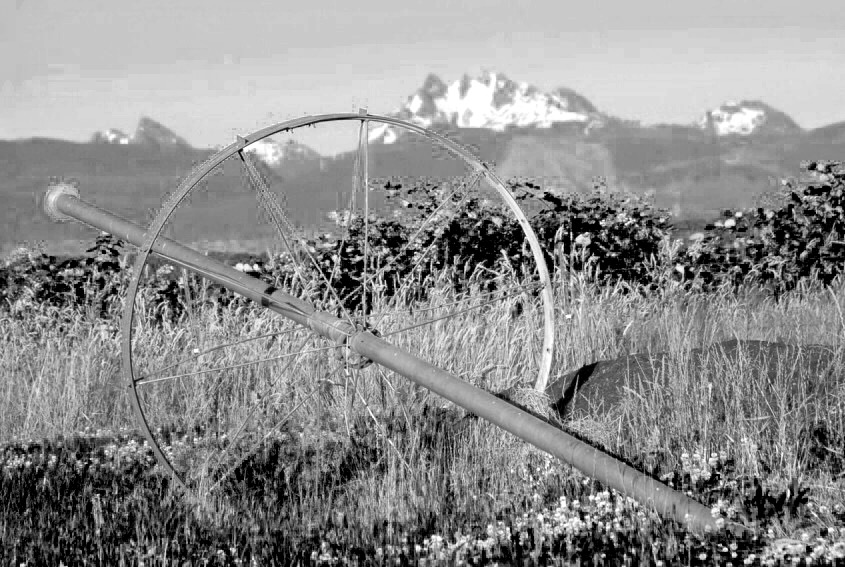
Of course, if you have light (sandy) soil, none of this matters. Instead, you will spend a whole lot of time moving your irrigation. 🙂

Good Food Farm Tours

Our first farm tour is this weekend. Tours start on the hour at 10am and 11am. On this tour, we will be focusing on the orchard (apples, pears, plums) and the berries (raspberries, blackberries, strawberries and kiwi berries). Please register for a tour time here, for planning purposes. Every tour this summer will be different and will reflect the changing seasons. Looking forward to seeing you on the farm!


Tristan Klesick, Farmer and Health Advocate

Posted on

Dinner Time

When we moved to our current farm back in 2003, something was missing. Our farm isn’t overly large at 38 acres, but when you consider that at any given moment you could be ¼ mile away from home, Joelle and I needed an effective way to get the attention of the farmhands (AKA our children). This old house probably at one time or another had a “triangle or bell” to announce it was time for dinner, but it wasn’t obvious where it would have been.

We decided on a big cast iron bell that I tracked down from Pennsylvania. It has a clear and loud ring and has been mounted on the back porch ever since. The bell itself has been relegated to ceremonial use or the occasional ringing as one walks by. It is just a sign of the times. The bell has been mostly replaced by cell phones, and sadly, even on the farm, electronics have a stronger pull than the great outdoors.

A few years ago, if we wanted to announce it was dinner time, instead of ringing the bell, we would just unplug the Wi-Fi and everyone at the farm would “magically” appear 🙂 But even today, unplugging the Wi-Fi isn’t as effective as it used to be, because everyone has access to unlimited cellular data! Alas, the dinner bell is more akin to a group text!


This weekend the Farm came alive. We have a been plugging away, but mostly at idle for the last month. This weekend it shifted to another level. And you know what? No one was late for dinner, because they had all worked up a ferocious appetite.


Bell, triangle, or your stomach calling. Whatever. But, eating at least one meal a day together is good for the soul.

Tristan Klesick

Farmer, Health Advocate

Posted on

Family

When I think about Christmas, I think about Jesus, His birth and His life and then I think about my wife and children and our parents and our siblings. Christmas, much like Thanksgiving, draws family together. At least in thought, if not in presence.

At the Farm, times have really changed. We only have four children at home now. I think the last time we had four children at home for a Christmas was 1998 and those original 4 kiddos are all married now! Between 1998 and today the old farmhouse has swelled to capacity and shrunk again. The older married ones have another side of the family to navigate now and have to make choices about where to go and when to come or not. I am thankful for FACETIME!

This year, we were blessed to have had all 9 of our children and their families in for an early Christmas last Sunday. It is a rare day, save a wedding, that the entire clan is able to gather together.

In my mind, I wrestle with the past, present and future. The present is both bitter and sweet, for I know that it will be harder to get on their schedules as life marches on, just as it was for our parents when Joelle and I started our family. But when all of their schedules align, like this Christmas, it is so wonderful!

And one day, Joelle and I will be the great grandparents. And with our strength fading and our love increasing, there will be a parade of progeny that comes by the old farmhouse to visit and extend Christmas wishes. And we will talk about chasing cows, or harvesting lettuce early in the morning so we could go swimming later. Or when this one or that one got their first hit or scored their first goal. And Joelle and I will get to hold another crop of Klesick’s for the first time and beam with pride as our pictures are taken.

Family is the gift that matters most. And it is the same this Christmas as it will be next Christmas.

Merry Christmas and Happy New Year!

Tristan Klesick

Posted on

Holiday Delivery Schedule for Weeks of 12/18 and 12/25

Holiday Delivery Schedule for Weeks of 12/18 and 12/25

*Please note that this delivery schedule spans two weeks: the week of Christmas and New Years* 

Our office will be closed Christmas Eve and New Year’s Eve in observance of the holidays. Because of these closures our deliveries for both weeks are scheduled as follows:

For delivery Tuesday:

Tuesday customers and Wednesday customers in Woodinville

For delivery Wednesday:

Wednesday customers and Thursday customers in Lynnwood

For delivery Thursday:

Thursday customers and Friday customers in Marysville and Lake Stevens

For delivery Friday:

Friday customers in Arlington and Monroe and Saturday customers


Please remember to let us know if you will need to skip your delivery either of these weeks.

Posted on

A Local Fundraiser With Both International and Local Benefits

For the Klesick family and our farm business, being generous is an important core value and our giving tends to follow our connections to the people we know. A few years ago, the Oso mudslide happened and since I have family in Oso, we were able to give more directly to the needs of the community through my local contacts. Then there was the Pateros Fire. Once again we were able to give more directly to those most affected because of our local contacts with some farmers that supply much of the fruit we put in our boxes.

Through each of these tragedies, you, our local customers, partnered with us to make the lives of people you will never meet better. You are a generous bunch! J

And now, we have Hurricane Matthew. A few years ago, some friends from the Stanwood/Camano Island community moved to Haiti to work in an orphanage and at a local medical clinic. When Hurricane Matthew ripped through Haiti more than a few needs surfaced. Haiti is already challenged as a nation and the Hurricane was another blow to an already poor infrastructure.

As a family, we increased our giving to help them meet the local needs in the community they serve, but Maleah, our intrepid 12 y/o, wanted to do more. She reached out to Ryan and Jill Dolan directly and asked what she could to do help. Jill responded:

“Behind our home, up the mountain is the small village of Geffrard, pronounced as Jeffwa. They have one school and it fell down during the hurricane. The students have not had school since the hurricane hit our area on October 4th. There are six classrooms, with a total of 200 students.”


With that Maleah leapt into action and here’s how the rest of the story unfolded:


A NOTE FROM MALEAH KLESICK

I am partnering with Klesick Farms to raise $500 by the end of this week (12/17). They still need 130 sheets of metal roofing to complete the roof. By partnering with us, together we can help them rebuild their school.

There are two ways to give:

1. You can help by purchasing a Food Bank Box of produce for $28.00. Klesick Farms will deliver the box to the food bank for Christmas and donate $10 to the Rebuild a Roof for a School project.

2. You can donate $5.00 for each sheet of metal roofing. Donate any amount.

Please go to: www.klesickfamilyfarm.com/Haiti and let’s help this community get their kids back to school. All proceeds will go to rebuild the school roof. Any additional monies raised will be used by the Dolan family to operate the orphanage and medical clinic.


Tristan Klesick

Father of a future Community Activist

Posted on

If only I had been paying attention…

This has been a remarkable farm season. The weather has been neither too harsh nor too kind. We have had to irrigate very little and the crops have grown well.

It has been a crazy three weeks. We just finished harvesting green, yellow and purple beans. Originally, I had planted two different plantings, with a fairly healthy gap between them. The cool weather in May/June essentially slowed one planting down and so the later planting caught right up. It is sort a like when the outgoing tide meets the incoming tide and everything rises at that moment!

Thanks for eating green beans. We picked over 2,000 lbs. and our customers ate most of them. I can say most of them because green beans are one of those crops that gets “grazed” on a regular basis. They might not be as sweet as raspberries, but when beans are on, they are the preferred snack at Klesick Farms!

This week is a little quieter from our farm. Italian prunes and chard in most boxes; walnuts, peppers, tomatoes, zucchini and peppers in smaller quantities. Then there are the cucumbers. This year we planted a new variety called Silver Slicers. They are a white-skinned cucumber and super delish! I planted about 100 seeds at two different times and, oh my word, those little cucurbits make cucumbers faster than rabbits make rabbits, if you get my drift. They are the most productive cucumber I have ever grown.

Ironically, I would have never grown these, if I had been paying attention. Early in the spring I was talking with Ada, my seed representative from High Mowing Organic seeds. We were talking back and forth about what varieties grew well in greenhouse environments and did well in last year’s seed trials. We decided on Manny, a beautiful smooth green-skinned cucumber. Ada also mentioned that Silver Slicers did really well in the trials, too. Because I am always willing to try a new variety, I ordered and split the plantings.

Well, since Ada and I were talking about cucumbers, it didn’t dawn on me that the Silver Slicers were not GREEEEN! Imagine my surprise when they starting “setting” fruit that was white! Talk about a mini heart attack! My mind raced through all the prep work, the fertilizer blend, weather patterns, and I asked myself, “What was wrong? How come they are not green? Is my soil deficient in nutrients?” Thankfully, a quick check-in with Ada calmed my mini crisis. She assured me that the Silver Slicer is a white-skinned cucumber.

I am now so thankful for that oversight. The world has plenty of green cucumbers, so I will make the Silver Slicer a staple for Klesick Farms and we can all enjoy them this year and next!

Thanks for eating locally grown food. You are making a difference one bite at a time for your health and the health of our community.

Farmer Tristan


Recipe: Mexican Style Grilled Corn

Ingredients:

3-5 ears of corn, husked 6 tablespoons mayonnaise 1 to 2 tablespoons freshly squeezed lime juice, or to taste ½ teaspoon chili powder, or to taste Salt and freshly ground black pepper Cotija or feta cheese

Directions:

Prepare a grill, with heat medium-high and rack about 4 inches from the fire. Put corn on grill and cook until kernels begin to char, about 5 minutes, then turn. Continue cooking and turning until all sides are slightly blackened.

Mix together mayonnaise, lime juice, chili powder and some salt and pepper in a small bowl. Taste and adjust seasoning, adding more lime juice or chili powder if you like. Serve corn with chili-lime mayo and sprinkle with cotija or feta cheese.

Recipe adapted from cooking.nytimes.com


Know Your Produce: Plums

Domestic plums are crimson to black-red with a yellow or reddish flesh; they are in season May through October. High in vitamin C, plums are packed with disease-fighting antioxidants. They’re sweet and delicious—which is why highly desirable things are called “plum.”

Store: If too firm to use, place in a closed paper bag at room temperature for one to two days. Once ripe, plums can be kept in a plastic bag in the refrigerator up to three days. Refrigerating plums before they’re ripe results in a mealy texture, so allow firm fruit to ripen at room temperature up to 2 days.

Prep: Remove the pit by slicing all the way around the fruit, starting at the stem end. Rotate each half and the pit should come free.

Use: Plums pair well with both sweet and savory foods and make an excellent accompaniment for cheese, chocolate, and dessert wines.

Posted on

Wow!

One would think that after almost two decades of farming I would have this farming game figured out! I do have the basics mostly down, but every year, around Father’s Day, I am overwhelmed. Overwhelmed with what? Thanks for asking. WORK! All of the sudden, everything needs to be harvested: lettuce, spinach, peas. Everything needs to be weeded: lettuce, spinach, peas, beets, tomatoes, beans, squash, cucumbers, strawberries. And more needs to be planted: lettuce, spinach, cucumbers, squash, beets, kohlrabi, corn, etc. I know it is coming, but it always catches me off guard, like a sneaker wave at the beach – all of the sudden you’re wet.

A lot of this has to do with timing and trying to figure out the changing climate patterns and the changing availability of willing workers. The climate impacts are just unpredictable. Last year at this time we were burning up and this year we have had huge swings in temperatures and a fair amount of rain.

This year I got out early and planted some summer loving, heat loving crops in early May, expecting it to get hot early, but June is looking more like “Junuary.” Although hitting a high of 58 degrees in early June really slows down the crops, it also keeps things from bolting, like spinach and lettuce, and peas from burning up. This is farming though: I do my best, I get the weather I get, I adapt, then I get to harvest what crops liked the weather best.

But the weeds, well, they love all types of weather. On our farm we are a hand-weeding operation, and it is hard to find people excited about rows and rows of vegetables to be weeded, sometimes with a hoe, other times on your hands and sometimes we just throw up our hands and use a tractor and start over. We have managed to stay almost caught up, but you can see the “tide” of weeds rising. This week will be the week to stem that tide!

As always, we work hard to grow the healthiest, tastiest and freshest fruits and vegetables for you and your family. We want to be that bright spot in your week, where on your delivery day a box of good food brightens your day and nourishes your body.

More locally grown good food is on its way.

Cheers to your health!

Tristan


Recipe for this week’s box: Asian Cucumber & Carrot Slaw

Serves 2 to 4

Ingredients:

1 cucumber

2 medium carrots, peeled

2 tablespoons rice vinegar

1 tablespoon cider vinegar

1 teaspoon water

1/2 teaspoon sugar

1/2 teaspoon sesame oil (or other oil of choice)

1 tablespoon sesame seeds

1/4 cup chopped cilantro

Directions:

  1. Using a julienne peeler or grater, shred the cucumber and carrots into long strips.
  1. Toss the vegetables in a medium bowl, along with the vinegars, water, sugar, and sesame oil.
  1. Garnish with sesame seeds and cilantro.
  1. Chill until ready to serve. Best served cold.

Recipe adapted from wayfair.com


Know Your Produce: Stonefruit 101

IMG_20150427_100811

“Stonefruit” refers to members of the genus Prunus, which includes peaches, nectarines, plums, pluots, cherries, and apricots. The season for summer stonefruit is short-lived, and delicious! With the fruit coming and going so quickly, we don’t want you to miss out by having to toss spoiled or improperly ripened fruit. Here’s some info on proper storage in order for you to make the most of these short-season gems.

Care – Store unwashed fruit at room temperature until ripe (usually only 1-2 days), then place in sealed container in the fridge.

Ripeness – Gently press around stem and when flesh gives slightly to pressure fruit is ripe. Stonefruit ripens from the inside to the outside, so if fruit is soft all over it is more likely overripe.

Tips for Preventing Spoilage – Stonefruit’s biggest enemy while ripening is moisture coupled with lack of airflow. Set ripening stonefruit on a cloth or paper-covered countertop or in a place where it gets plenty of airflow. Try setting them stem side down to ripen. This lessens the chance of then rolling and bruising. Once your stonefruit is ripe, it deteriorates very quickly. Within a day of being fully ripe, if left out of refrigeration, you can have overripe/spoiled fruit and some very attracted fruit flies. Check daily and place in refrigerator as soon as you notice the stem area has begun to soften. Take special care when handling your stonefruit – never squeeze to check for ripeness! Even a small bruise will be cause enough to turn into a rot/bruised spot on your fruit as it is still ripening.

Use – Once fruit is ripe, and you’ve placed in the refrigerator, plan to use within a day or two (this gives you a total keeping time of about 4-5 days). Stonefruit is refreshing as a healthy breakfast paired with yogurt or hot/cold cereal, as a topping to a green salad, and as an ingredient in fruit salads. For grilling, or for topping green salads: use slightly less ripe fruit, it will hold up better without breaking apart/juicing. All Stonefruit bakes up fabulously into crisps, pies, and sauces!