
Posted on

Oh My

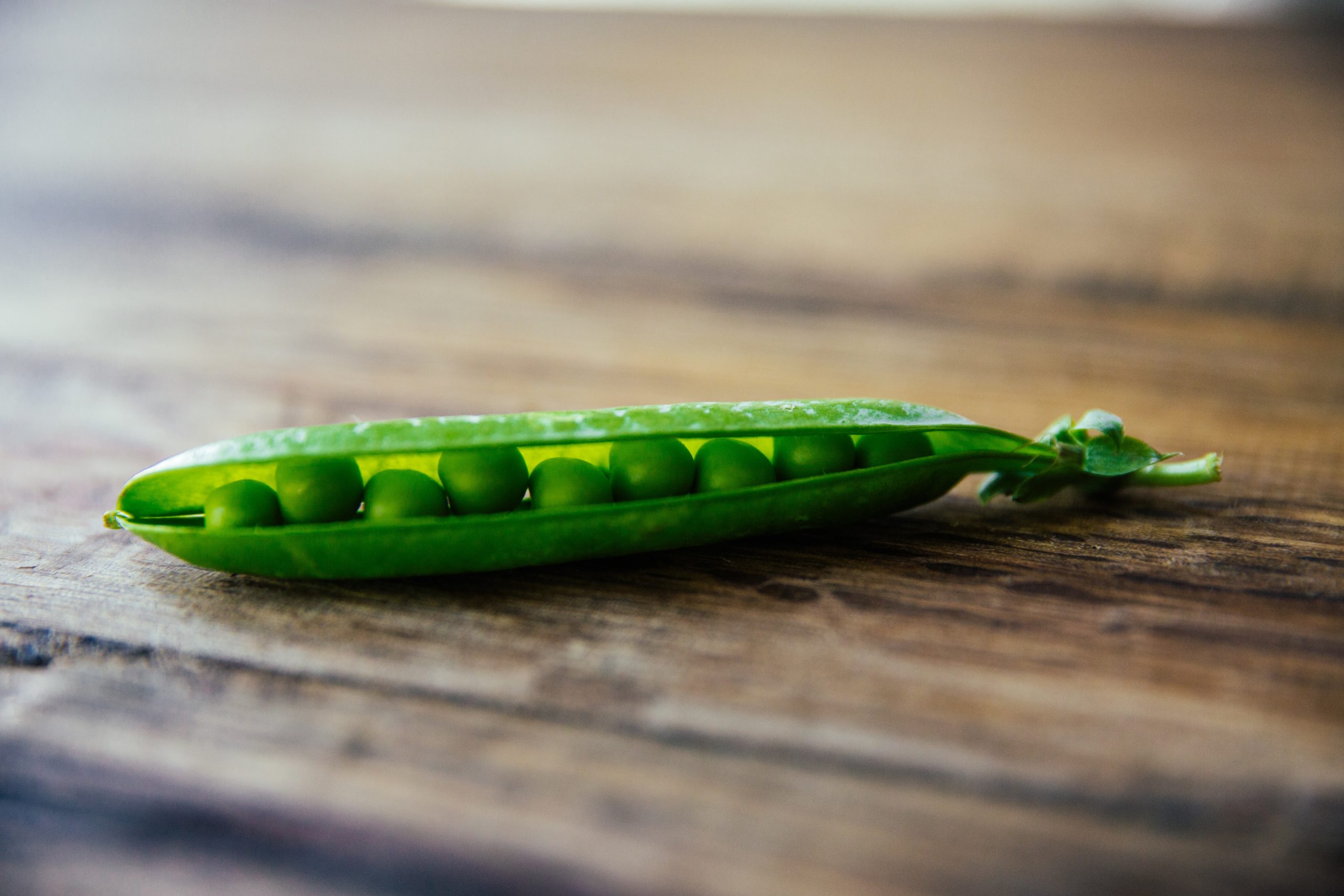
peas, opened pod

I feel like we are in the middle of an energetic piece of music. Every instrument is playing and playing hard and I while I can play almost every instrument, I have been relegated to the position of Maestro because of my knee injury!

I don’t relish that spot. I much prefer to be a part of the orchestra and conduct on the side. But as with most things, when your attention is divided, so is the work and so is the result. I am still working around the farm—mostly checking on what to do next, picking a few berries, monitoring the health of the crops, what needs water, what needs weeding, what is going in the ground next and when and what we will harvest in the near future.

As with most good pieces of music, the Farm season starts out slow. First, the planning, studying and selecting the vegetables: How will I modify the system this year? What works best for our farm, climate, crew? So many pieces before a single piece of dirt is plowed. As with most things, a little planning goes a long way and a lot of planning can really help.

I will say that with farming, though planning is critical, you hold onto them loosely because farming is a living system and is impacted by the weather in a very real way. As an example, last year it stopped raining June 15th and started raining September 15th. This year it didn’t rain in May and mostly rained in June. On the farm that means it has been a great year for lettuce, beets, peas, but cucumbers and tomatoes are not as happy. Of course, this year I planned for a lot of tomatoes. I still believe we will get a hot summer and my tomato crop will come.

The planning is done for the year. Now we are modifying the plan. Currently, I am weighing whether to plant a Fall crop of leaf lettuce or let the season play out. I will probably do both—some more plantings, but not as much. That’s primarily due to more warm weather, but also school starts up and fall soccer kicks in which can make it hard to find enough help to weed and harvest.

But for now, it’s all hands on deck. It is the busiest time of the season. The local crops are being harvested daily and delivered to you as fresh as possible. My poor packing crew. They almost run the other way when I roll in from the farm or neighboring farms, because they know that I will bringing something that needs to be fit into the menus, something that’s fresh, nutritious and just needed to be picked!

I love this season, but when Fall rolls around, I am more than ready for the Farm to quietly resolve and end peacefully. Although this year as your fulltime Farming Maestro I am not sure what that season will look like, I imagine that in September I will already be thinking about January’s planning of next year’s Farming season. Hopefully, with a fully functioning knee!


Tristan

Your Farmer and Community Health Activist
Posted on

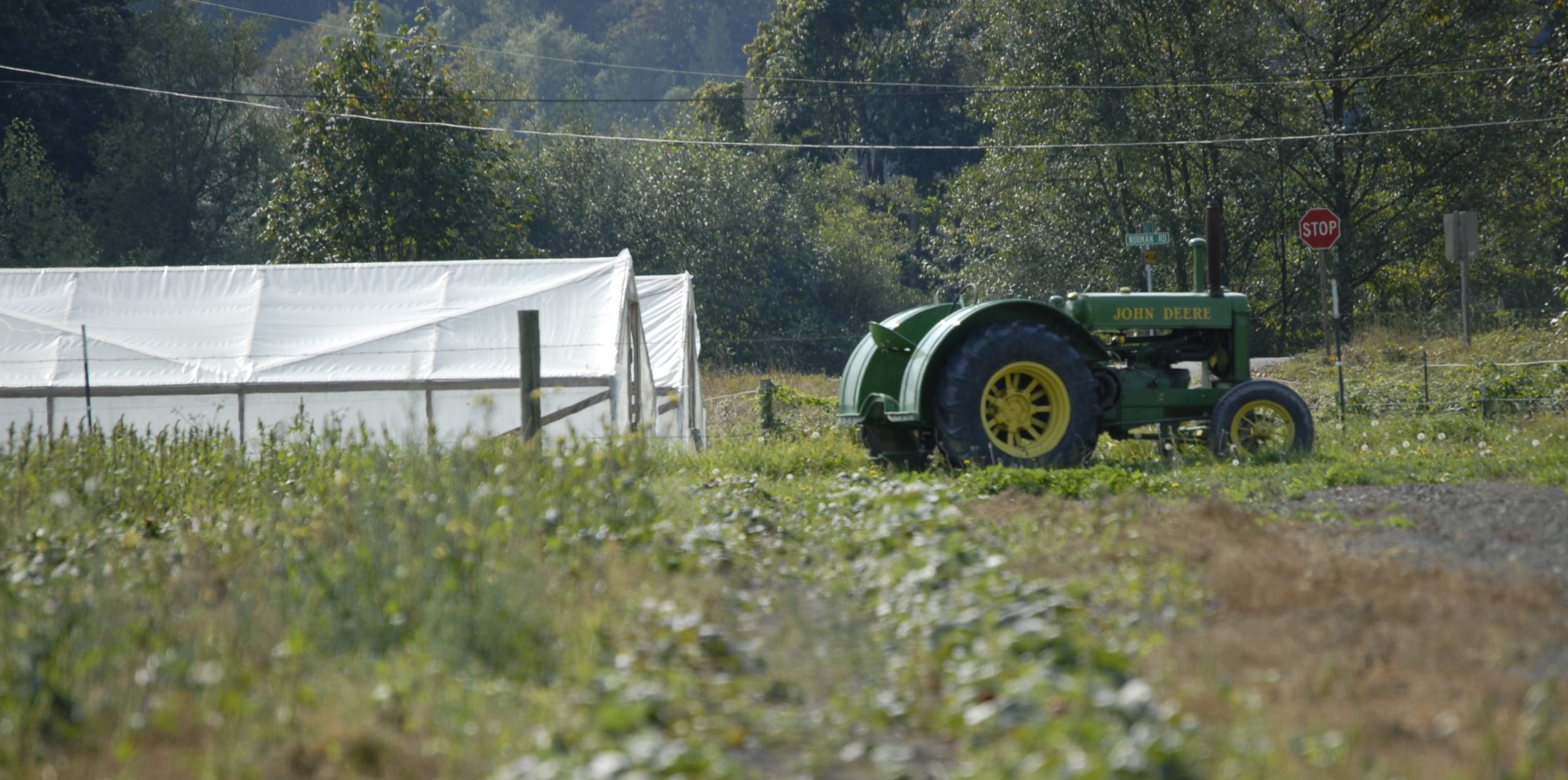
Mobility

Thank you for all the kind comments and outpouring of care expressed over the last few weeks. The gift of movement is much more appreciated by this farmer than ever before.  Essentially, I can walk pain free, but can’t kneel or climb stairs, and while I am waiting for the MRI results, I have adapted to farming with limited mobility. 

Once I understand the problem better, I will make the best choice going forward. Initially, when my knee locked up, I went into full rest mode hoping that it would heal quickly. After a few weeks of therapy, icing and rest with very little progress, I pursued an MRI. As I was resting and learning to drive an office chair ?, I realized that I was able to get around better with the limited mobility. So that is what I am doing.

If you check out our Instagram or Facebook page, you are probably aware that the farming portion of our business is about to explode. We have been primarily harvesting Lettuce, but now we are going to be adding Sugar Snap peas, Chards, and Bok Choy. Beans, Raspberries, and Blackberries are close also. This is the absolute best time to be a farmer and the absolute worst time to be LAME! But here I am. 

The hardest part for me is actually thinking in advance. There is so much that has to be done now and a lot of it gets decided the day of.  Decisions like: Do we save the Kohlrabi from being swallowed by weeds or do we trellis the peas? What time should we transplant the next round of cabbages and cukes—this evening or tomorrow? Or remember that we need to direct seed the 4th planting of beans so that we will have something to harvest in August. Don’t forget to pay attention to the Garlic. It is getting close and it is beautiful.

All these things are coursing through my mind as I WALK the fields wishing I could just jump right in and do SOMETHING! But I do have a new farm crew and they are quick learners. They can discern between pig weed and chard and thornless blackberries and blackberries with thorns. These are important skills. I am learning how to manage and be less of a doer. It is not an easy transition, because I love to farm, but, it is a necessary transition as I get older.

It is comforting to know that it takes four teenagers to REPLACE me (SMILE).  Not really. We are getting way more work done than I could by myself. I am also comforted that for the two weeks I was less active, Klesick’s kept humming along.

Our team, every one of them, is incredibly talented! This has made my ultimate goal of serving you by delivering organically grown farm fresh produce that moves the needle on your personal health uninterrupted.


Tristan Klesick

Your Farmer and Community Health Activist
Posted on

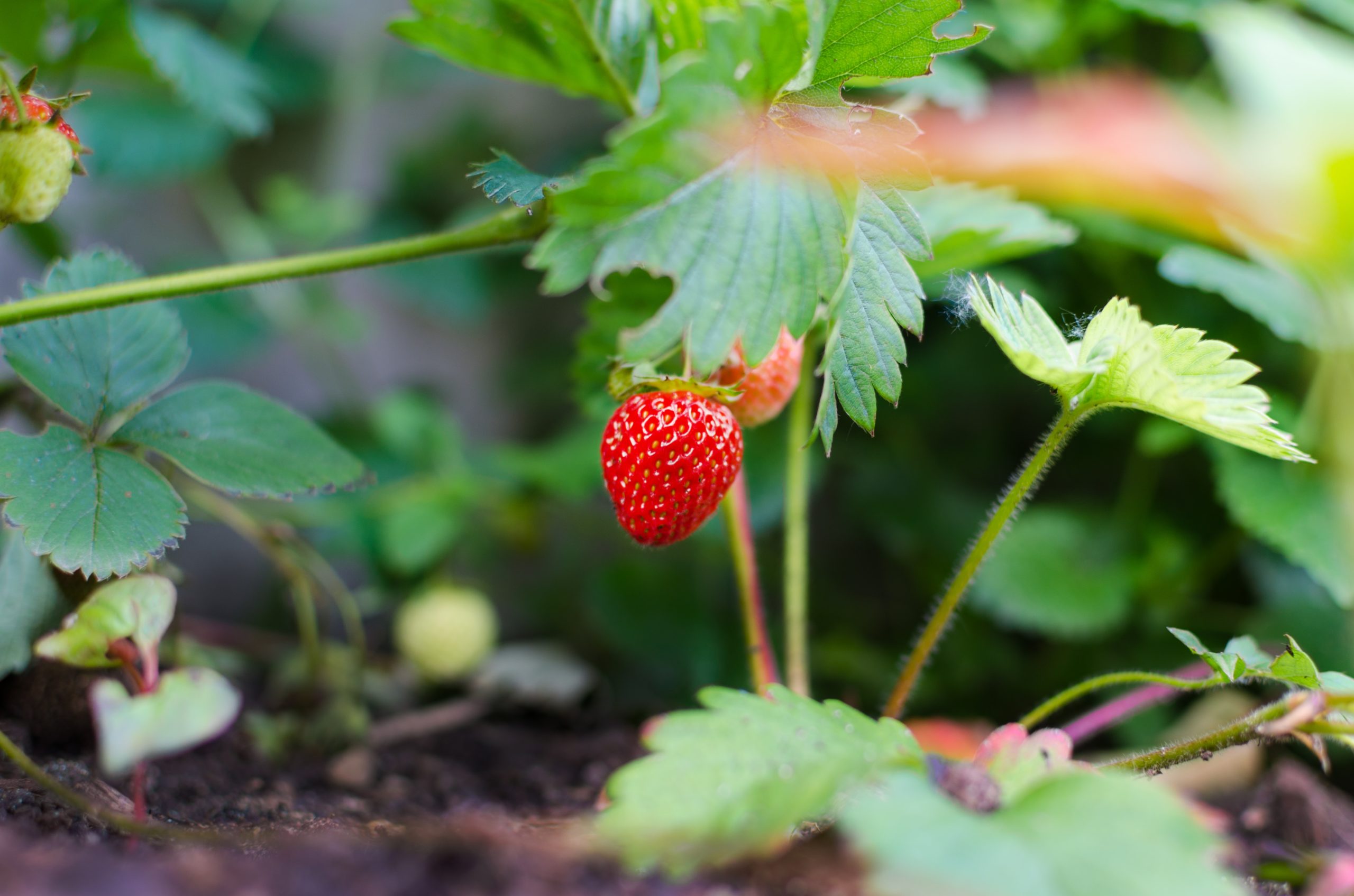
As Luck Would Have It????

This year we have committed to growing even more food on our farm than we have in the past, which precipitated a need for more help to handle the additional weeding, harvesting, more weeding etc. Like most years, I have a big appetite for planting and while I do plan, the amount of work is often deemphasized while planning. As is often the case, the work is always considerably more.

This year we were fortunate to have a gaggle of teenage boys apply and I hired them. Strong young men who would like to earn some money. The challenge is that they were still in school and could only really work on Saturdays. This all changes this week and none too soon, because the weeds are coming with all the rain we got last week and the sun we got after that!

Normally, our family and a helper try to handle most of the farming chores, but this year I decided to add some help with the increased farming we added. And it was a good thing. With the wet April and the warm May, we were forced to pack a lot of farming into a fairly small weather window. This means that there is a ton of good work for those young men and our family.

Even more providential is that about two weeks ago I twisted my knee and have been unable to farm. I went from 12,000 steps a day to 100 steps overnight and have been limping along ever since. Oh, I miss farming, but having hired those young men plus John, our full-time farm hand, things have been trucking along. I have moved more towards managing the farm and doing less “farming”.

Even though I am a lame farmer for the foreseeable future, I am a “thankful” lame farmer and have been able to focus on some other important things like spending time with my children and grandchildren. As you might imagine during this season, I would rarely stop moving from sun up to sun down. But, this year I have been practicing how to SIT! My mom will attest that I came out of the womb and never stopped moving. So, this has been a big change for me.

I have had a chance to test a hypothesis though. I have often thought that weight loss has more to do with what a person eats than exercise. I believe in exercise, but now that I am a “lame” farmer, I got to test this hypothesis out. I know that a lot of people who tend to live a more sedentary lifestyle tend to gain weight (eek!). I am happy to report that I actually lost a little weight over the last three weeks, even though my physical activity has been sharply curtailed. I didn’t eat less or differently, just continued to eat a diet rich in plants. I am looking forward to getting back to farming, but as “luck” would have it, I have a great farm crew that has stepped up!


Tristan Klesick

Your Farmer and Community Health Activist
Posted on

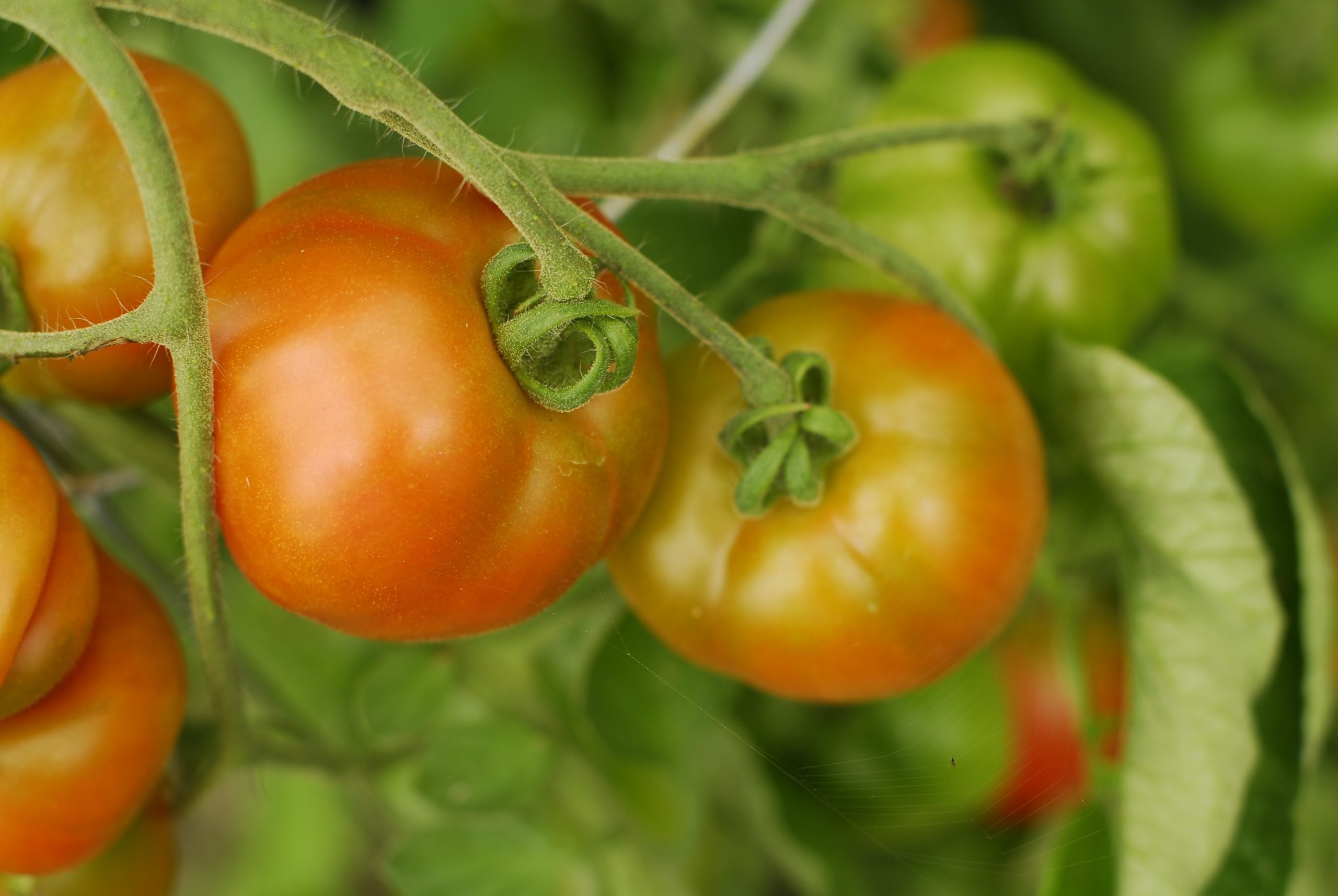
Protection or Free Trade

Last week we delved into the benefits of farmland and having farmers to work the land. Having local farmland is a national security issue, a national health issue and national environmental issue. Let’s face it, if we do not control our food supply we will be at the mercy of those countries that do. And food will become more like oil. And our presence in other countries becomes more important as other countries control or supply important commodities that America needs or thinks it needs. But whether it is a real or perceived need, if Americans (corporations) think it is important, there will be a demand to protect and ensure its supply/availability.

We are seeing this play out in a real time. Steel and aluminum are front and center. President Trump and this administration is deciding that protecting these industries are important to American security. Manufacturing jobs are good jobs and ironically, good union jobs, too. How did a Republican President of the free trade party take this stance??? We will have to leave this topic for another newsletter or newsletters.

Free trade, which is the issue under attack, is like most things; the pendulum swings one way and eventually swings back. We have been allowing Corporations to move jobs from America to other countries for decades, good jobs, but because it would be cheaper to produce somewhere else. Cheaper is an interesting word. Cheaper for the companies and the consumers who buy their products, but there were losers in the mix, too. Whole regions were shuttered and shoved aside and became “welfare” recipients.  One could argue that the consumers and corporations won, but consumers also had to pick up the tab for the loss of jobs, retraining, mental and emotional stress, shifting environmental damage to other parts of the world, etc. So much to talk about. 

This week, president Trump is trying to reestablish and protect American workers and the industries that remain. And other countries who have benefitted from Free Trade and developed industries to compete and supply steel or aluminum are fighting back because they need to protect their good paying jobs and their national security, economies, etc. 

It is also interesting that Agriculture is going to be the big loser. Farmers are always the first to get tariffs slapped on them, because America mostly exports food and imports everything else. So as this “reset” takes place, it is going to be a rocky road for a while as the world leaders try to figure out how to protect their own interests/corporations/consumers. 

So, to me, it looks like everyone at the table is looking out for their own interests and no one has the high moral ground. 

What I do know is that local food comes from local farms and having locally grown fruits and vegetables are vital to the health of every single person, regardless of where they live – America, China, Kenya, France, etc. And I hope that citizens everywhere invest in their health and strengthen their own local food economies. For most of us, voting with our dollars, does have local, national and international outcomes.

Thank you for your conscious choice to invest in your health and partner with Klesick Farms to keep local food and local farms viable and a part of our local communities.


Tristan Klesick

Your Farmer and Community Health Activist
Posted on

A Family Farm

Every farm at one time was a family farm. But along the way, farming became more business-like and less farm-like. Don’t get me wrong, farming has a bottom line and to stay in business a farm has to make a profit. What changed though? When did our food become so impersonal? It’s just lettuce, or tomatoes, or?

Just lettuce, for example, takes a year in the making. The lettuce seed farmer has to grow the lettuce plant to produce seeds, clean the seeds, and then package the seeds. Then a lettuce farmer has to buy the seeds, fertilize the fields, and plant the lettuce seeds. Then about 6-10 weeks later that farmer gets to harvest the lettuce and sell it to a thankful customer. But because our farming regions are further and further from urban centers, we are losing touch with the farming industry that is essential for life.

As a farmer I am in awe that food is so readily available and that we have so much local food available. The Puget Sound/Salish Sea area of Western WA has a robust local farm economy. We are blessed with so many smaller farms, surrounded by larger farms – dairies and berries. The whole system is interwoven and supported by tractor dealers, farm suppliers, veterinarians, food processors, etc.

To feed people you need farmers and farmers need land. Thankfully, much of Western Washington farmland is in flood plains—AKA not good places to build houses. These rich alluvial soils that are some of the most productive in the world are right here in our own backyard! This same farmland is a multi-benefit landscape providing many other benefits to our local communities. In addition to local food and food security, local farms store flood water, filter water from the hillsides and cities before it gets to the rivers and estuaries, provide open space and lots of habitat for a host of non-human critters too.

But what makes all these direct and indirect benefits of local farmland possible? A willing consumer and a willing farmer that have developed a mutually beneficial and meaningful relationship. For us, local customers are the reason we are farming. Because of you we grow food—organic, non-polluted food—that nourishes you, your family and indirectly benefits the entire local ecosystem. You might say that having local farmland farmed by local families is a win for you, the farmer and the local eco system.


Growing food for you,

Tristan Klesick

Your Farmer and Community Health Activist

Posted on

Connecting

All business is about connecting consumers with products or services that they need. It is as old as time. Commerce is its official name, but really it is helping you get what you want or need the moment it is desired. Pretty simple.

Of course, there are a whole lot of details in between all those steps, but the concept is simple – make the connections. That is what we have been doing for the last 20 years – making connections.

We didn’t start out with a goal to deliver 700,000 boxes of good food back in 1998, but that is what happened as we connected local farm families with local families. We figured out a way to help you eat healthier and get fresher produce to you.

Before Joelle and I ventured into business for ourselves, we were living in Vancouver WA and I was working at a specialty produce store- 1994. It was here that I learned about produce, how to take care of it, what was in season and when. It was also the place where I met my first organic farmers. Back then I had no land and no knowledge about farming, but I had gotten the bug and started my first vegetable garden –32 sq. ft.

Fast forward to 1998 and we had a whopping ½ acre to farm and a fledgling home delivery service. A few years later we were farming 2 acres and 3 years later we moved to Stanwood and started farming 23 acres. In a few more years we started farming another 15. Crazy! Most small businesses are busy with one venture. Not us, we did two – a farm and home delivery! But we wanted to farm, and home delivery seemed like the right avenue to sell our produce to local families like you.

But we do more than farm. We also source organic produce from our neighbors and other organic farms. Remember, I was a former produce person and so I combined my love of working with fresh produce and our family desire to be an organic farm and Voila – a box of good food ends up on your door every week out of the year.

It has always been about organic and getting you the freshest organic produce available. We are your connection to the organic farming world and some of those relationships go back before Joelle and I started Klesick Family Farm – 24 years to be exact.

It is such a privilege to serve you and your families by connecting the organic farm community with you. It is at the heart of what we do best!


Tristan Klesick

Health Advocate, Farmer, and Small business owner for the last 20 years.


#Celebrate20

To celebrate our 20 years of delivering farm fresh fruit and vegetables, we have a special offer for our existing customers and your friends.

 Between March 1 and March 20th (20 days) we are going to be giving you a $20 credit on your account for each friend that signs up for weekly or every other week delivery.

If 5 friends sign up you will get $100 credit, 10 friends $200 credit. We will apply your credits immediately to your account and your friends will get their $20

New customer credit spread over their first 4 deliveries ($5/delivery).

Let your friends know that now is the time to sign up and remind them to mention your name in the referral box so you can get your $20 credit.

Thank you in advance for telling your friends about Klesick’s Box of Good.


Posted on

The Days Are Getting Shorter

This is the season where I just run out of gas, figuratively and sometimes literally. The one thing you never want to run out of is DIESEL. Nope. Never run a tractor out of DIESEL. Gas yes; Diesel no. But sometimes, I personally just run out of gas. I have been at this farming season for 7 months so far and there are a few more to go.

And this farm season has been hard. Wet early and well into June. Then DRY! The weather pattern has stressed some of the crops and blessed others. Great year for cucumbers and tomatoes; lettuces and spinach, marginal at best. Blackberries and raspberries were happy, as were the birds that descended on them like locusts. Farm years like this one require so much mental energy.

Twenty years ago, I made a choice to not farm with chemicals, to focus on soil health, biology and habitat. Which means that I have to work with nature. When the weather is too wet or too dry, the crops can get bug and disease pressures. But, if you are going to choose to not farm with chemicals/poisons, you are going to have “those” years that remind you how fragile the farming and the food system is.

But this is the time of year when local farmers have lots of fresh fruits and vegetables. We will be into peppers, tomatoes and cucumbers till the first frost and soon we will be harvesting our pears and plums. Potatoes and winter squash will be coming after that. And then we will start to put the farm to bed with cover crops of wheat, rye, oats and vetch to protect our soils and feed the biology.

As the days get shorter and Summer marches towards Fall, so does my outside work and I am grateful for that. Yes, life is returning to normal and I can get back on a schedule. Anybody else feel like you can’t wait for school to get out and you can’t wait for it to start? I know as a farmer, summer is just crazy. Your life is ordered around the day length and chores, but when school starts, life takes on a different rhythm.

It is a more peaceful rhythm like the “Resolve” at the end of a great symphony. Still very intricate, but as the seasons change from Spring to Summer to Fall, this farmer senses it is time to begin to hush the horns, percussions and, eventually, the winds and let the farm I partner with rest, rejuvenate and get ready for next season.


Tristan

Farmer, Health Advocate


Posted on

Hand in Hand

Being a first-generation family farm has been an amazing journey. For nearly 20 years, Joelle and I have been supplying, growing, and delivering our produce and produce from other farms. As we near Fall and the Fall harvest, I am reminded that what was a little seed a few months ago is ready for harvest now. Time flies by.

For Joelle and I, our farm has transitioned from being the young farming family to being a multigenerational farm family. Time has flown by. With each season there are so many rewards and riches to be had, but some of the most precious are the excitement and wonder of children.

Our youngest, Joanna (7), still excitedly reminds us to look at the sunset every night. She hasn’t quite figured out how to remind us to look at the sunrise, though. ? Sunsets and sunrises are spectacular, but seeing another grandson or granddaughter join the family – that is life changing.

Joelle and I are both parenting and grand parenting. The older children have gotten married and are having children and our little Joanna is now an Auntie 4 times over with one more coming in November.

A few weeks ago, we welcomed Nathan Lee Klesick to the world. I haven’t got him on the tractor yet, but it will happen sooner than I can say scalafragilisticespcalldocius. Because, well, time flies by. And before I know it that little guy will be under foot harvesting strawberries alongside his grandparents, just like his older brothers and cousins, and just like their parents did.

Seeing your third generation is a gift. Having them grow up near the farm, spend time on the farm, and experience the farm, that is priceless. Right now, those little ones are more likely to get a taste of the dirt on our farm, but that taste could very well lead to a future taste for farming.

For me, I am going to work a little slower and take a little more time to get the chores done, because I will have the third generation trying to keep pace with grandpa’s footsteps. To hear “Grandpa, Grandpa” and turn around and see a little one toddling as fast as those little legs can go is all the motivation I need to slow down, bend down, and swoop them up!

Maybe it is just me, but I think that locally grown food tastes better, because a local family on a local farm is growing it and quite possibly, as it is with our farm, another generation of future farmers, too.


Teaching another generation to farm,


Tristan

Farmer, Health Advocate

Posted on

Garlic and Flowers

Hello August and Hello Fall Soccer! August is that transition month where a lot of us start thinking about back to school, fall sports and last vacations. And I am so glad that the Stanwood/Camano School district is starting after Labor Day. Because, I am going to need every available minute before my school aged crew goes back to school.

Labor is the tightest I have ever seen…but there are crops planted and they will need to be harvested and after all the work it takes to get a crop to harvest, you can be darn sure that I will get it harvested. It might take a harvest moon or two or head lamps, but it will get done! ?

Flowers

Every year, I have this volunteer crop of sunflowers that grow. I let them grow so the birds can eat them, then I mow them and till them in. The next year what the birds didn’t eat starts to reseed. These sunflowers are special because they remind me of our oldest son’s wedding. You see, his future wife had asked for sunflowers for her wedding and I, being a farmer, was more than happy to comply. So, for the last four years, the Klesick family gets to enjoy and reminisce about the wedding on that special day in August.

We also have beautiful red Poppies that have re-seeded themselves from our second son’s wedding 3 years ago. Yep, you guessed it. His future wife had wanted wildflowers! And I, as a farmer, was more than happy to comply. ? This year there is a splash of color intermixed with the potatoes.

Joelle and I have been blessed to see our four oldest children get married. And you know what that means–GRANDCHILDREN! We will be adding two more grandsons, one in August and one in November, bringing the total to 4 grandsons and 1 granddaughter. It is pretty emotional to be walking around the farm with your grandchildren and think that the third generation is on its way.

Garlic

Last week we harvested our Inchelium Garlic. A little later than I would have liked, but, like I shared earlier, we got it done. We don’t spend much time curing our garlic. Curing is the drying process that allows garlic to store longer. I don’t have a lot of extra storing capacity, so I plant less and sell it fresh. You can use your garlic like any other garlic, but use it sooner. Inchelium has beautiful flavor and would be great roasted or minced.

We are also starting our first picking of green beans. We have 3 plantings of green and 2 plantings of purple this year. Garden-fresh beans are the best. Steamed beans and carrots with a little butter. Incredible and so simple!


Enjoy!


Tristan, Farmer and Health Advocate

Posted on

Seems Crazy

Rain from October to June and then it just stops; sunny and mid 70’s with a breeze. Beautiful, relaxing weather. Now, all I need is rain. It’s always too much or not enough or not at all. This weather is perfect unless we all want to eat!

Do you know who is eating well? Cedar Waxwings! And we have a bumper crop of fledglings this year. We also have a lot of robins, gold finches, and sparrows. But those Cedar Waxwings make robins a welcome addition to the farm. Ok, maybe that’s a stretch, but by inviting wildlife into our eco space, AKA organic farm, we have encouraged all types of birds to nest, procreate and EAT!

The wildlife, while still wild, is certainly not timid. I was picking blackberries and heard the distinctive call of the waxwing and stopped to see where the bird was “feasting”. Not more than a few feet from me! She hopped up onto the closest berry wire and sat there. If I had a net, I probably could have scooped her up.

So, the waxwing and I had a quiet moment, studying each other, neither of us fearing one another. I think she was saying, “Farmer Tristan, thank you for planting all these lovely blackberries and raspberries.” And, as I was peering back into those little black eyes, I couldn’t help, but notice the lovely shade of BRIGHT RED Raspberry lipstick! Let me tell you, L’Oréal has nothing to compare with the real deal!

One of the problems is that my berries come on well before the wild blackberries. So, every berry eating bird does what birds do. They set up residence near food, water and each other. Also known as Klesick Farms. Since I want to have early berries, I’m just going to have to contend with the berry loving avian population.

Going forward, I will have to net the berry patch to try and limit their access. I would rather put a sign up that says, “bird berries here, help yourselves,” but experience has taught me that only fish go to school.


Tristan


Posted on

Wildlife and Farming

Wildlife and Farming

Peter Rabbit and his siblings have taken up residence this year! The rabbits are cute and fun to watch scurry around. And they definitely feel at home! You can practically walk right up to them. The other day I found one sunning itself in the greenhouse under the cucumbers. The nerve!

I haven’t seen too much vegetable damage from the rabbits. But I have been scratching my head lately, wondering why the drip irrigation is leaking in unusual places. I even replaced a section the other day that was all scratched up. Hmmm!

I mentioned this story to John, my #1 farm hand and it was like a light bulb went off above our heads. He just replaced two complete sections of drip tape which was all scratched up! But they weren’t all scratched up, they were chewed up, apparently those lazy critters are helping themselves to a drink every now and then FROM THE DRIP TAPE!

Part of the problem is that our farm dog has gotten along in years and while his desire to chase rabbits still exists, the motivation to chase rabbits has long since left?. Of course, having a good rabbit chasing dog has its advantages (like less rabbits wandering willy-nilly here and there). But, since that option isn’t present, we will have to go to Plan B. I am going to put a plywood rabbit door that us humans can step over or move and then I am going to put a water dish outside the greenhouse.

Obviously, our ” farm ecosystem” is a little out of balance, which is why we have a lot of rabbits. Eventually, the coyote/owl/falcon/hawk/eagle populations will respond to the new increased food/rabbit supply and create balance again. It will take time, which means I will need to manage the operation a little differently and possibly get another rabbit-chasing farm dog. (If you know of any Lab or Chesapeake or German Short Hair puppies or mature dogs available let me know.)

This week’s menu has 13 locally grown fruits and vegetables. It has been a very late start to the local season, but we’re harvesting now! We are even seeing a few tomatoes ripening, both the Early Girls and the Sungold Cherry tomatoes. And we are going to have a bumper crop of cucumbers, green beans and beets. The potatoes have really loved the cool spring and this dry stretch. Of course, everything has really loved this dry stretch of warm weather, even this farmer.

What is fun about market/truck farming is that the landscape is always changing. Every week we are planting something, then we add weeding to the planting, and then eventually you add harvesting to the planting, and weeding–which is where we are right now–and it is busy! Around September planting slows down your focus on harvesting and weeding. In October, you stop weeding altogether and keep harvesting, and then in November you take a long nap and wait till Spring to start the cycle all over again!

But right now, it is local produce time and us local farmers are getting it out of our fields and delivered to your door.


Tristan

Farmer, Health Advocate


Come out to the Farm for a lesson in plein air acrylic painting!

‘Mountain & Field Landscape’ Acrylic on canvas, 11×14 Painting Class with Nancy Hansen.

Come paint in the open air at Klesick Family Farm on July 29!

Date: Saturday, July 29

Time: 6:00-8:00 PM

Location: Klesick Family Farm

Materials: Provided.

Cost: $35

Registration required. Click here or call our office to register today! 360-652-4663


Posted on

Peas and Potatoes

Peas and Potatoes

Few things are as rewarding as a freshly hilled potatoes or white blossoms on Sugar Snap peas. These are sure signs that summer is on its way.

I just finished hilling the potatoes for the first time this season. They are looking green and happy. We hill, or cover, the plants with soil so that it will produce more potatoes. Hilling encourages more potatoes to form and protects them from sunlight. In a good year, we will hill them 3 times. So far it looks like we are on schedule.

And the Sugar Snap Peas are turning it up! The plants are about 5 feet tall and there are a few more feet left in them. It always amazes me that one pea seed can produce so much. You can look for the first splash of juicy Sugar Snap Peas in early to mid July. I had thought we would be picking them by now, but the “Junuary” weather has delayed more than a few crops this year. Thankfully they are just delayed.

Spraying

At Sorticulture, I was talking with a fair-goer about our grass-fed beef. He was fairly knowledgeable and looking for an argument. In the middle of our conversation, he said, “What do you spray on your fields?” He was insinuating that I spray chemicals on my pastures. It is a good question, because so many farmers, local or otherwise sell meat and vegetables using the word “local” or grass fed. And many local farmers will use chemical fertilizers or herbicides in their pastures. Are their vegetables and fruit “local” or the animals “grass fed”? Absolutely. But they are often also locally sprayed or farmed with chemicals.

This person obviously knew that many local farmers use chemicals on their pastures and when he asked me, “What do you spray on your fields?” I said, “Kelp”. End of possible argument. Yes, we spray our fields every 7-10 days with a kelp/fish/soil microbe mix. We use certified organic amendments and ingredients in our fertilizer blends and are inspected annually to verify we are complying with the National Organic Program standards.

From the beginning, on our farm we haven’t used synthetic chemicals. It has been that way for 20 years and I see no reason to change. My children and grandchildren can wander anywhere they want and eat whatever they want any time on our farm. Their health is important to me and so is yours.

4th of July

Just a quick update: I talked with my team and we decided to keep our regular schedule during the week of July 4th. So, no changes to your delivery day or order deadlines. But for our Tuesday customers, expect your deliveries a little earlier, since there should be less Boeing traffic that day. 🙂


Tristan


Posted on

Sticktoitiveness

If you are going to be a farmer, you have to have “sticktoitiveness. Yes, that’s a word, and I couldn’t find a better one to describe farmers or at least this farmer. I am going to get a crop off my farm no matter what Nature (the weather, pests, disease) throws at me. I am even going to get a crop off my farm when I have to fill out the umpteenth survey from the US Department of Agriculture, or the mountain of paperwork to keep my farm Certified Organic. Of all the hassle that comes with growing foods without chemicals, Nature is my favorite partner to work with.

Nature is a formidable, constantly mixing things up – daily! This spring has been one for the ages, and it looks like June will be as us farmers call it “Junuary.” Last year was a breeze, this year has been a howler. I have a confession though; every time I planted spinach or beets, it would rain buckets a few days later. The first time it happened, I chocked it up to bad timing. Planting spinach before a deluge on my farm is akin to pouring concrete over the crop. We have a fair amount of clay, and if the sun comes out a few days later I could make bricks!

Bear in mind that spinach seed and vegetable seeds in general are a hardy lot, but they aren’t as hardy as weeds. And yes, a few seeds have managed to find their way to the light of day.

Undeterred, I plowed up more ground and planted again and it rained buckets again. One more time I planted and it rained again. I am not a superstitious person, but after three times of planting spinach and creating “concrete” even I was getting a little wary of planting spinach. Well, last week I was getting ready to plant more spinach, and I looked at the forecast for Thursday and Friday, scratched my chin – deep in thought and at that moment I decided to not plant spinach! So, for the record, that last deluge was not my fault, because I didn’t plant spinach! Although I did seed 4 acres of rye/fescue seed for a new hay field the night before! 🙂

If you are going to be a farmer, you have to have sticktoitiveness. It also helps to be diversified and while the spinach is languishing, the potatoes, onions, sugar snap peas, beans, carrots, lettuce, kohlrabi, blackberries, raspberries, apples, plums, pears, cucumbers, corn, summer and winter squash are coming along.

But everything, including this farmer, and probably you, could use some warmer weather to really get growing.


The undeterred farmer,

Tristan

Posted on

Above Freezing

About time! Our old farmhouse has a hard time keeping the cold out. There are some places around the floor boards that you can almost hear wind blowing and there is a definite flow of cold air. Normally, I have a good supply of firewood, but…. next year I will be prepared–again!

Last year was a good growing season and I am excited about this one coming up too. I have already placed the lion’s share of my seed and transplant orders for the year. Now all that is left to do is hope my farming calendar lines up with mother nature. True confession: they rarely align, but every spring “hope springs eternal” and this year is no different. Right now, I have enough energy to farm till October. Of course; it is only January!

Vegetable Seeds

Speaking of seeds, there is a whole another segment of farmers who grow nothing but seed crops. Every single vegetable we grow comes from a seed and a farmer has to see that crop through a very long and precarious season. We pretty much use High Mowing Organic Seeds as our supplier. They grow, trial and work with a bunch of really good “seed” farmers who are committed to organic farming. Thankfully, there are seed farmers, or farmers like me would have to expend a bunch more time growing vegetables and vegetables for seed.

We also partner with High Mowing Seeds and you can order a good selection of seeds from us at our website. These are many of the varieties that I grow on my farm. I have personally picked seed that I feel will grow well in North Puget Sound. You might say they are Farmer Tristan Approved!

Local Milk

Since we are talking about farming…we also carry local milk from Twin Brook Creamery in Lynden. Every community that has thrived did so because there was a transportation system, rivers, rails or oceans for commerce and then good land for growing food. And the kind of food that sustained a community was vegetables, fruit, milk and other livestock. That is why we are so happy to partner with Larry and his family at Twin Brook Creamery. High quality milk, from a local herd, sold locally to our community. If you’re a milk drinker, then give Twin Brook’s milk a try.

At Klesick Farms, we grow only good food, source only good food from other farmers, and deliver only good food.

My name is on every box, every newsletter, every van. Every time a box of good food leaves Stanwood, where I farm, you’re getting our best.

Thank you for trusting Klesick’s with your good food choices.

Tristan Klesick,

Farmer, Health Advocate

Posted on

Miss Moo, the Family Milk Cow

There was a time when the Klesick family had a milk cow, and not any cow, but a Jersey milk cow. Her name was Miss Moo. Jersey milk cows are smaller than Holsteins and their milk is slightly higher in butterfat, which makes it, dare I say, more flavorful. The milk wasn’t free though, for she had to be cleaned and brushed, and provided clean bedding and fresh hay, but in exchange she gave us rich nutritious milk twice a day, EVERY DAY! Hmm…thinking back to those days, I am not sure who the owner was, Miss Moo or me.

Oh Miss Moo—she was quite the character and loved to have her ears scratched. One of the kiddos referred to her as a real “lubber dubber.” Even though Miss Moo was a brown cow, she produced copious amounts of white milk. This totally shattered our young’uns’ hopes for chocolate milk, but they soon got over it, especially when we would make ice cream, yogurt, or cheese.

With non-homogenized milk, the cream really does rise to the top. This is often called a “cream plug.” The cream can be loosened and shaken back into the milk, but we would skim the cream plug off for a few days and then make butter from it. Every so often we would set out to make a little whipped cream, get a little over zealous, and, voila, we’d end up with butter instead :)! You can’t over shake the cream, unless you want some butter, that is.

A real family favorite was making “squeaky” cheese from our milk. We would heat up the whole milk, add a little lemon juice to help the milk curdle and form curds, drain off the whey, and salt the curds and enjoy. It is called squeaky cheese because, well, it sort of “squeaks” when you rub it between your fingers or bite it. I’ve included the recipe (below).

I often look back on those days with Miss Moo and fresh Jersey milk with fondness. Recently, Larry, from Twin Brook Creamery, asked if I would be willing to carry his milk. I paused and thought long and hard. I love that Twin Brook is pretty much a grass-based dairy, l love that the milk is ultra-fresh, I love that the milk is from Jerseys, I love that it is milk from one local herd and not a thousand herds, and I love that it is not homogenized. Although I am not a milkman, at the heart of Klesick Farms is good food, and the more local the better. So, after some serious thought, we added local milk delivery from a local dairy to our offerings.

Now, once again, I am making cheese and yogurt, but this time Larry gets to milk the cows. That is a fair trade in my book. Enjoy!

Farmer Tristan


Recipe: Squeaky Cheese

Ingredients:

2 quarts of milk

1/4 cup vinegar, lemon juice or lime juice

Butter muslin

Directions:

1. Heat the milk to 185 degrees F, then remove from heat.

2. Add the vinegar slowly while stirring, until curd forms. The milk will curdle almost immediately once the vinegar is added.

3. Once the milk has finished curdling, either skim the curds from the pot or strain them through a colander.

4. Tie the cords of the butter muslin together and hang the cheese where it can drain for several hours.

5. After draining you can either use it as is or go on to make queso blanco.


Recipe: Scalloped Potatoes for the BBQ

Ingredients:

4 red potatoes, thinly sliced 1 large onion, chopped 4 cloves garlic, chopped 1/4 cup chopped fresh basil 1/4 cup butter, cubed Salt and pepper to taste

Directions:

1. Preheat grill for medium heat.

2. Layer sliced potatoes on aluminum foil with the onion, garlic, basil, and butter. Season with salt and pepper. Fold foil around the potatoes to make a packet.

3. Place potato packet on heated grill over indirect heat, and cook for 30 minutes, or until potatoes are tender. Turn over packet halfway through cooking.

-adapted from allrecipes.com


Know Your Produce: Potatoes

Add a little whole milk to our freshly dug potatoes and turn them into mashed potatoes for dinner this week and you will be in for a special treat.

This week we are digging extremely fresh potatoes from the farm. You will notice that the skins are not set on the potatoes and will easily rub off. Don’t be alarmed because this is normal for freshly dug spuds. The freshness also means that they won’t keep as long either.

I will often boil the spuds one day and make hash browns the next or a potato salad. My favorite way to eat them is cubed. For this, placed the cubed potatoes in an 9” x 12” baking pan with salt, pepper, parsley, and olive oil. Mix them up and bake at 425 degrees F. They rarely make it to the table in the Klesick household!

Posted on

Local Milk and Honey

We are excited to now offer local milk products from Twin Brook Creamery in Lynden, Washington. You can now add whole, 2%, and 1% milk, half and half, and whipping cream to your regular delivery. Twin Brook milk comes in old fashioned glass bottles, is non-homogenized (the cream rises to the top), is pasteurized using the low temperature vat pasteurization method, and is kosher. They process milk in their freshly renovated bottling facility from their own purebred registered Jersey cows. Jerseys produce milk with a higher protein and butterfat content, which greatly enhances the flavor.

Although Twin Brook Creamery is not certified organic, they produce a high quality natural product that is free from synthetic hormones (such as RBST) that artificially stimulate growth or milk production. Because they strive not to feed any GMO feeds to their cows, their grass fields and pastures are free from commercial fertilizers or pesticides, and any concentrate supplements they have to buy for their animals’ health, so as to give them a balanced diet, are non-GMO whenever possible (e.g., they use barley instead of corn as an energy source). Twin Brook Creamery strives to be the best possible stewards of the land, providing wildlife habitat and using the best management practices that are available.

You can find Twin Brook Creamery products on our website under the “Dairy” category. When ordering dairy products, please keep the following in mind:

Tuesday, Wednesday, and Thursday customers: Orders are due by 8:00 a.m. the Friday before your delivery day.

Friday and Saturday customers: Orders are due by 8:00 a.m. the Wednesday before your delivery day.

We are also happy to once again offer local raw honey. Our honey is the product of hard working Snohomish County bees and Mike and Christa Miller of Sunshine Honey Company. The honey comes in 12 oz. and 25.6 oz. glass jars. We also offer certified organic honey from Brazil. Honey can be found on our website under the “Grocery” category and under “Sweetners.”


Farmer Tristan


Recipe: Greek Marinated Grilled Vegetables

Grilled vegetables are marinated with fresh herbs, lemon juice, garlic and olive oil to create a simple and delicious side dish. Great roasted or broiled as well.

Serves: 4

Ingredients:

1 medium eggplant – sliced in ½ inch rounds

1 large zucchini – sliced on the diagonal

1 large (or 2 small) pattypan squash – sliced in ½ inch rounds

¼ cup olive oil

2 tablespoons lemon juice

2 tablespoons red wine vinegar

2 garlic cloves – grated

½ teaspoon salt

Pinch red chili flakes

¼ cup fresh mint – minced

¼ cup fresh oregano – minced

Instructions:

1. Pre-heat grill on medium-high heat.

2. Place eggplant, zucchini and pattypan squash in a large bowl and set aside.

3. In a small bowl, whisk together olive oil, lemon juice, vinegar, garlic, salt, chili flakes, mint and mint oregano. Pour mixture over the sliced vegetables and toss well to coat.

4. Grill vegetables until soft and slightly charred, about 8-10 minutes flipping once halfway through.

Notes: Dried herbs work fine if you don’t have fresh on hand. Simply use half of the amount listed for fresh since dried herbs are more potent.

From Liz DellaCroce | TheLemonBowl.com


Know Your Produce: Summer Squash

here are numerous varieties of summer squash, ranging from dark green to bright yellow, long to stubby, smooth to lumpy to ridged. Unlike winter squash, these varieties of summer squash have soft, thin skin that is perfectly edible, with varying degrees of light to dense flesh. Some varieties are: zucchini, round zucchini, pattypan, crookneck, zephyr, cousa, tatuma, gourmet globe, tinda, and luffa.

Summer squash is technically not any one vegetable, but comprises many different cultivars of a few different species of edible plant. It also is actually classified as a fruit – a “pepo” or type of berry with a hard outer rind.

Summer squash can be eaten raw or cooked, and have a mild flavor that can range from sweet to nutty, and though the difference in flavor between varieties is subtle, it’s distinct. Summer squash can be grilled, steamed, boiled, sautéed, fried, or used in stir-fry recipes. They mix well with onions and tomatoes in vegetable medleys. Summer squash can be used interchangeably in most recipes. Some types of summer squash can give off a lot of moisture, so depending upon your recipe, you may need to blot grated or cut squash to absorb some of the moisture. Use them within three to four days of purchase for their best taste and texture.

Posted on

What’s New?

What’s new is that it’s July and I am wondering what happened to June!? It looks like chilly June is going to carry over into July. Sorry tomatoes and peppers, maybe August will be your month!

After last year, I made a conscious decision to plant heat-loving crops early and take advantage of the changing climate. That decision has not worked out so well. The tomatoes and peppers look like they want to put on my wool sweater, but I am not giving up :).

Speaking of tomatoes, I planted 200 Early Girl/Stupice type red tomatoes. I got them all caged up and cleaned up and growing in the right direction and now there are a few starting to ripen, but they are ripening orange! I apparently transplanted orange tomatoes. They taste great, but that is not what I was expecting to grow.

For the last few months, I have been looking at those plants and wondering about them, I knew they were “setting” fruit differently, but with the cool, wet weather, I just chalked it up to climate change. So this year we are growing Klesick Farm’s tasty orange colored tomatoes. #ithappens #ohmy #atleasttheyarestilltomatoes

Another telltale sign indicating that I guessed wrong about the weather this season was the cucumbers. They were direct seeded in early May…and GERMINATED LAST WEEK! Seriously, that is a head-scratcher, but they are up and growing now. Thankfully, I planted some cucumbers in the greenhouses also, and they are happy – really happy. I mean, they are rivaling Jack-and-the-Bean-Stock happy. Long story short, cucumbers are going to be in the boxes of good food, picked daily and delivered daily.

This week we are putting a lot of Klesick Farms-harvested good food in the boxes. We use a KF next to items from our farm on the newsletter, and an * next to other local NW farms’ fruits and veggies. So this week, my crew and I are picking, packing and delivering chard, chives, zucchini, cucumbers, peas, lettuce and a few raspberries.

We are also getting cherries and carrots from two other organic growers that I have been working with since 1997! Those are some seriously long relationships. All of our customers – some since 1997 – have nourished their families with these farmers’ produce as well.

We are a different kind of food system; a more sustainable, more earth-friendly option – as we have been for the last two decades – helping families to eat better food and feel better about the food they eat.

Bon Appétit!

Farmer Tristan


Recipe: Indian Roasted Potato Salad with Chard

Serves 4-6

Ingredients:

1 ½ lbs. potatoes, halved and/or quartered

3 Tbs. extra-virgin olive oil

1 Tbs. ground turmeric

1 tsp. ground cumin

1 tsp. garlic powder

1 bunch chard, shredded (or cut into thin ribbons)

2 Tbs. Greek yogurt

2 Tbs. lemon juice (more if desired) salt and pepper

Directions:

1. Place the diced potatoes on a large baking sheet, covered in foil. Toss with 1 tablespoon oil, turmeric, cumin, garlic powder, salt and pepper. Slide into a 400°F oven and roast for 30-40 minutes, or until browned all over and tender, tossing halfway through.

2. In a small bowl, whisk together the yogurt, remaining oil, lemon juice, and a pinch of salt and pepper.

3. In a large bowl place the ribboned chard and roasted potatoes. Drizzle with the lemon dressing and toss to coat.

4. Serve garnished with fresh parsley or basil, if desired. Or even bacon bits!

Recipe from bevcooks.com


Know Your Produce: Chard

Chard has large, fleshy but tender deep green leaves and thick, crisp stalks. Although they’re unrelated, chard is similar to spinach, but with a stronger, more assertive (some think, bitter) flavour.

Different types of chard have different coloured stalks and ribs. Some stalks are white, some are a golden orange and some are red (called ruby or rhubarb chard) – there’s even rainbow chard. There’s very little difference in taste, but ruby and rhubarb chard can have a slightly stronger flavour.

Prepare: The leaf and the stalks should be cooked separately. Wash, then cut the stalks from the leaves and either leave whole or chop, depending upon your recipe. On some older leaves you may need to cut the ribs out of the leaves, too.

Cook: Leaves: boil (1-2 minutes); steam (3-4 minutes). Stems: stir-fry (around 2 minutes); boil (3-4 minutes); steam (4-5 minutes); roast (10 minutes).