Posted on

How To Eat Your BOX! (Week of 5/7/17)

Limes

There are so many ways to enjoy limes! The traditional way is to use them in drinks, guacamole, etc. One of my favorites ways is to make quick pickled onions: thinly slice red onions and rinse. Add lime juice, salt, pepper and a touch of sugar. Let it sit for 30 minutes and enjoy over tacos, rice or salads!

Avocado

Guacamole is the first thing that comes to most people’s minds, but you can also enjoy avocados in smoothies, add it to toast, make a creamy salad dressing, chocolate mousse, or avocado fries. No wonder we go crazy for avocados!

Jicama

The options are endless: steam them, add them to stir-fry, or simply enjoy as a healthy snack lightly sprinkled with lime and chili powder. I love them in salads for that added crunch!


Cashew Cauliflower, by The Peruvian Chick

Recipe: Cashew Cauliflower

by Sara Balcazar-Greene (The Peruvian Chick)

Ingredients:

1 small onion (diced)

1 cauliflower cut into bite-size pieces

1/2 red bell pepper (diced)

1/2 yellow bell pepper (diced)

1 carrot (sticks)

1/4 cup cashews.

Directions:

1. Drizzle olive oil and sesame oil in a hot pan, add onions, cauliflower and carrots.

2. Once cooked, add peppers, and cashews. Add 1 tsp ginger powder, 2-3 tbs soy sauce, 1 tbs honey and more sesame oil.

3. Separately, dissolve 1 tsp cornstarch into 1/2 cup cold water and add to vegetables. If it gets too thick, add more water. Rectify seasoning.

4. Serve with rice. Sprinkle with chopped green onions and enjoy!

Posted on

How To Eat Your BOX! (Week of 4/30)

Bosc Pears:

Don’t be fooled by the Bosc’s rough exterior and firm touch, they are sweeter and more flavorful earlier in the ripening process than most other pears. Their full flavor is best enjoyed before their flesh softens. Bosc pears are crisp and hold their shape well even when baked. They are an ideal candidate for a poached pear: In a large saucepan, heat 3 cups of water and a cup of sugar until warm and the sugar is dissolved. For extra flavor, you can add a cinnamon stick, a vanilla bean, fresh ginger, or a half a lemon if desired. Peel, core and quarter pears and add them to the mixture. Because the pears won’t be completely submerged, they can be covered with a piece of parchment paper (cut to fit with a whole in the center to let steam escape). Keep the liquid at a very low boil and simmer the pears until cooked through, 15 to 25 minutes, depending on the pears. Remove from heat and let the pears cool in their liquid. These are best served warm or at room temperature. You can eat them with breakfast, as a desert, or as a side/topping with cake and loosely whipped cream or vanilla ice cream.

Beets:

Beets can be cooked just about any way you like. They are great boiled, baked, sautéed or stewed. I usually cut them into bite size pieces to bake in the oven because I love roasted beets! Simply coat in olive oil, sprinkle with salt and pepper, and bake at 400° for about 35 minutes. But they can just as easily be cooked in a frying pan along with other veggies. The beet greens are great sautéed as well, so don’t throw them out! Try cooking the greens in a little olive oil with garlic, salt and pepper on medium heat until bright green. Don’t let cook them too long though or they’ll get slimy.

Recipe: Lentil & Cauliflower Curry

Ingredients:

1 tbsp olive oil

1 large onion, chopped

3 tbsp curry paste

1 tsp turmeric

1 tsp mustard seeds

1 cup red or yellow lentil

34 oz. low-sodium vegetable or chicken stock (made with 2 cubes)

1 large cauliflower, broken into florets

1 large potato, diced

3 tbsp coconut yogurt

small pack coriander, chopped

juice 1 lemon

4 oz. cooked brown rice

Directions:

1. Heat the oil in a large saucepan and cook the onion until soft, about 5 mins. Add the curry paste, spices and lentils, then stir to coat the lentils in the onions and paste. Pour over the stock and simmer for 20 mins, then add the cauliflower, potato and a little extra water if it looks a bit dry.

2. Simmer for about 12 mins until the cauliflower and potatoes are tender. Stir in the yogurt, coriander and lemon juice, and serve with the brown rice.

Recipe from www.bbcgoodfood.com

Posted on

How to Eat Your BOX! (Week of 4/23/17)

Braising Mix:
Braising mix is typically an assortment of dark leafy greens. “Braising” is a method of cooking where the main ingredient is first seared in hot oil and then simmered in liquid. However, braising mixes do not have to be braised! They can also be sautéed, stir-fried, blanched, steamed or mixed into stews and soups. I love having a bag in the refrigerator as it keeps well and is easy to add into things. Think a mixture of greens and grains, in a grilled cheese sandwich, or sautéed as a side/topping for chicken, pork chops or even salmon. I always try to get some vegetables into my breakfast, and these greens work great with scrambled eggs.
Zucchini:
Zucchini is more often used as a cooking vegetable but can also be enjoyed raw. It makes a great addition to salad or veggie trays with dip. When sent through the spiralizer, this vegetable makes a sort of noodle which is often used as a substitute in paleo diets in spaghetti or noodle soup. To cook, simply heat oil over medium heat (sauté a little onion or garlic before adding the zucchini if desired), add zucchini noodles and a pinch of salt. Cook for about 5 minutes, until slightly softened. If you don’t own a spiralizer, you can use a vegetable peeler and make long, flat noodles instead of round ones. Serve as the bed to your pasta sauce and meatballs or add to your favorite vegetable soup.
Green Onions:
Also known as scallions, green onions are milder than regular onions but add a nice pop of flavor and color to almost any dish. They are commonly used as a topping for baked potatoes or salad, but can also be used to liven up your Asian style soups like egg drop or ramen noodle. They are also a great addition to omelets or quiche. You can even grill them whole like spring onions and serve as a side dish with a little lemon, salt & pepper.

FEATURED RECIPE
Sweet Potato Wedges with No Honey Mustard Sauce
Ingredients:
SWEET POTATOES
3 large, organic sweet potatoes, sliced into thick wedges (skin on)
2 Tbsp avocado or melted coconut oil (any neutral oil with a high smoke point)
1/2 tsp sea salt + pinch black pepper
“HONEY” MUSTARD SAUCE
2 tbsp creamy salted cashew
1 Tbsp spicy mustard
2 Tbsp maple syrup
A pinch each salt and pepper
1-2 Tbsp almond milk
Directions:
1. Preheat oven to 400 degrees and grease a baking sheet.
2. Toss sweet potatoes in oil until all sides are well coated. Season with salt and pepper and toss once more, then arrange in a single layer on the baking sheet (if crowded, use two baking sheets).
3. Bake for a total of 25 minutes, or until golden brown and tender, flipping once at the halfway point to ensure even cooking.
4. While baking, prepare dipping sauce by whisking together cashew butter, mustard, maple syrup, salt and pepper. Thin with almond milk (or water) until pourable.
5. Serve sweet potato wedges with no honey mustard dipping sauce! Best when fresh, though leftovers keep in the fridge, covered, for up to a few days. Reheat in the oven.
Recipe from minimalistbaker.com

Posted on

How to Eat Your BOX! (Week of 4/16/17)

Chives:

Chives are an herb, related to onions and garlic, with long green stems and a mild, not-too-pungent flavor. Chives are typically chopped to be used as a garnish. They can be featured in all sorts of recipes, from baked potatoes to soups, salads, sauces and omelets. They’re frequently mixed with cream cheese to make a savory spread. Chive butter, a compound butter made by blending freshly chopped chives into butter, is frequently served with grilled steaks or roasted poultry.

Celery:

Celery is a popular finger food as well as a flavorful addition to soup or salad. It has a salty taste, and, depending on the variety, may taste very salty. The natural organic sodium in celery is very safe for consumption. In fact, it is essential for the body. Even individuals who are salt-sensitive can safely take the sodium in celery. Because of it’s boat-like shape, celery works great with a filling as a fun and healthy snack. You can get creative when it comes to what to pair it with. Peanut butter is a common ingredient, but you can stuff your celery with things like cream cheese with chopped nuts and raisins, garlicky chicken spread, or a nut butter with seeds and honey. When making a celery themed salad, you can either go sweet (with thinly sliced apples, pecans, raisins, yogurt or sour cream, honey and a pinch of cinnamon) or savory (adding it to your everyday green salad or making a chicken salad with it).

Featured Recipe: Apple Stuffed Acorn Squash

Ingredients:

1 medium acorn squash

2 teaspoons butter

1 medium apple, cored and finely diced

1⁄4 cup dried cranberries

3 -4 tablespoons orange juice

1⁄4 teaspoon apple pie spice

2 tablespoons pecans, finely chopped

1 tablespoon orange zest

1 tablespoon maple syrup

Directions:

1. Cut the squash in half; discard seeds.

2. Place the squash cut side down in a microwave safe dish; add 1/2 inch of water.

3. Microwave on high, uncovered, for 10 to 12 minutes or until tender; drain.

4. While the squash is cooking, melt the butter in a non-stick skillet and add the diced apple.

5. Cook, stirring frequently for 2 to 3 minutes, add the orange juice, apple pie spice, cranberries and chopped pecans.

6. Continue to cook for 1 to 2 minutes or until the orange juice has evaporated, stir in orange zest.

7. Divide the mixture between the squash halves, drizzle with maple syrup and place under broiler for a few minutes to brown lightly.

Hint: For easier cutting of the squash, place in microwave and microwave on high for 1 minute or until slightly warm.

Recipe adapted from food.com

Posted on

How To Eat Your BOX! (Week of 4/2/17)

Kiwi:

Kiwi is most commonly eaten as is by cutting in half and spooning out the inside, but it can also make a great addition to breakfast food, salad or dessert. It can be used in smoothies (try with bananas and avocado), as a topping for granola and yogurt or cereal, or as a decorative and delicious addition to pie or meringue. It makes a great addition to fruit salad or even a green salad if you’re feeling adventurous. And since the weather is finally starting to warm up, kiwi makes for a refreshing drink when added to ice water with mint and/or a squeeze of lemon.

Mushrooms:

Did you know that there are over 10,000 species of mushroom in North America alone? Or, that mushrooms are more closely related to human DNA than plant DNA, and a single Portabella can contain more potassium than a banana? You can also boil wild mushrooms to make dye for clothing. They’re simply amazing! Mushrooms can be sliced up and added to salad or cooked in a skillet with some onion and garlic as a yummy sautéed topping for a breakfast, lunch or dinner plate. So, get out there and eat some fungus already!

Daikon:

Daikon is a white root vegetable often seen in Japanese and Chinese cuisine that resembles a carrot. However, unlike a carrot’s sweetness, daikon is spicy and tart, similar to a radish. Its pungent and sharp flavor can be enjoyed raw, pickled, or cooked. The white pigment in daikon is called anthoxanthin, which is an antioxidant that may lower cholesterol and blood pressure. In Asian cuisine, daikon is often eaten alongside meaty dishes, and is said to aid in digestion and breakdown of oil, fatty animal protein, and dairy. It can be eaten raw like you would a radish, sliced or grated into a salad, or baked, sautéed or grilled like any other root vegetable. Cooked daikon has a similar texture and flavor to turnips.

Featured Recipe: Roasted Daikon Radish, Carrots and Peppers

Ingredients:

daikon radishes (1-3 daikons), scrubbed and sliced into ¼-inch rounds

2-3 carrots, peeled and cut into ¼-inch rounds

1 red bell pepper, thinly sliced

½ onion, thinly sliced

2 tbsp extra virgin olive oil

Salt and pepper, to taste

1/8 cup balsamic vinegar

Directions:

1. Preheat the oven to 400 degrees. Combine the daikon, carrots, red peppers, onion and olive oil on a nonstick baking sheet. Season well with salt and pepper. Roast for 25-30 minutes, stirring once or twice until tender.

2. Drizzle the veggies with balsamic vinegar and return to the oven. Roast for an additional 5 minutes. Toss well and then transfer to a serving bowl.

3. Enjoy!

Recipe adapted from sarahscucinabella.com

Posted on

How To Eat Your BOX! (Week of 3/26/17)

Ataulfo Mangos:

Unlike other mangos, Ataulfos get very soft, and even wrinkly when ripe. And the darker the yellow, the sweeter they are! They also have a creamier texture and don’t get those annoying stringy fibers like other mangos do. Eat these raw or try adding them to one of your favorite cooked savory dishes. Fried rice with mango is simply amazing! Mangos also are great on salads, stir-fries, or added to sauces or in salsa. If you have a dehydrator they are so good dehydrated or made into fruit leather. You can order a whole case and dehydrate them or try freezing to use in smoothies.

Butternut Squash:

There are many, many ways to use this creamy squash, but my favorite way is in soup. It adds such a wonderfully rich and smooth texture that I can’t pass up any opportunity to puree it. The key to getting that rich full flavor is to roast or sauté the squash first. You can peel, cut into cubes and sauté with onions and garlic until tender or cut in half, slather in olive oil and bake cut side down at 425° for about 50 minutes. If you follow the baking method, simply scrape the insides out with a spoon; no need for peeling. Then blend everything with 1-2 cups of milk (depending on how thick you want it). This can be eaten as is with salt, pepper, a quarter teaspoon cayenne pepper, and topped with cream and toasted nuts.

Savoy Cabbage:

These crinkled leaf cabbages are one of the best varieties for cooking and is tender enough to be eaten raw in salads. A drawback of its tender nature is that it does not have the keeping quality of its sturdier cousins. However, because they are miniature size this week, you can use them up in a single meal. Cook them like you would a regular cabbage; in soups, stir fries, or other cabbage recipe. Or, simply cut into one-inch strips and sauté in a large covered pan with some butter.

Featured Recipe: Green Beans with Caramelized Onions

Ingredients:

Kosher Salt 1 lb. Green Beans ¼ Cup Sliced Almonds

1 Tbsp Butter

2 Tbsp Olive Oil

1 Spring Onion

Fresh Thyme leaves

Black Pepper

Directions:

Fill a large high sided skillet with some water, adding enough to be just shy of the rim of the pan by about 1 inch. Place over high heat and bring up to boil; add a big pinch of salt and the green beans. Cook for about 5 minutes, the beans should still be crisp. Drain the beans and then run them under some cold water to stop them from cooking. Reserve the beans while you start the onions. Return the skillet you cooked the beans in to the cook top over medium heat. Add the almonds and toast stirring every now and then until golden, about 3 to 5 minutes. Remove the almonds from the skillet and reserve. Return the skillet to the heat and add the butter and olive oil and heat until the butter has melted. Add the onions, season with salt and pepper, and cook stirring frequently until the onions caramelize, 20 to 25 minutes. Add the thyme, and cook for another 5 minutes. Add the cooked cooled green beans and almonds, and stir well to combine. Season with salt and pepper, to taste.

Recipe adapted from Finecooking.com

Posted on

How To Eat Your BOX! (Week of 3/19/17)

Good quality lettuce is a might hard to find right now but don’t let that stop you from eating your veggies raw. Here are a few ideas on how you can still have a fresh side-dish on the dinner plate without the leafy greens:

Zucchini Salad: Zucchini is more often used as a cooking vegetable but can easily be enjoyed raw. It makes a great salad when sent through the spiralizer and tossed with carrots, cucumber, and snow peas. Like cucumbers, zucchini is good when marinated for a couple hours in the fridge. Simply toss in lemon juice, olive oil, crushed garlic, salt and pepper, cover and let sit in the fridge for a time. Add freshly chopped basil or parsley right before serving.

Chicken Celery Salad: What makes this salad so great is that there’s really no wrong way to make it. You can put whatever you want in it! Just cut up your celery and other veggies into small pieces and add diced or shredded chicken. Mix in some spices, vinegar, sour cream and Dijon or mustard.

Cucumber Salad: Try marinating thinly sliced cucumbers, red onion, and crushed garlic cloves in a one to one of mixture water and white (or cider) vinegar and a tablespoon of sugar. Cover and let sit in the refrigerator for a couple hours. If you leave it overnight the flavors come out even more! Drain and enjoy. Try adding a garnish of freshly chopped parsley or dill.

French Fingerling Potatoes: These little taters are the perfect size for making “smashed” potatoes. Check out the recipe below on how to cook them to crispy perfection.

Potatoes have gotten a lot of flak from the health community but when eaten in moderation (and without the host of other unhealthy ingredients they often come with), potatoes are actually good for you! They are rich in potassium and vitamin C. True, they are high in starch, but nothing that your body can’t easily process when eaten in healthy portion sizes along with a meal.


Recipe

  
Crispy Smashed Roasted Potatoes


Ingredients:

1-1½ lb baby red or yellow potatoes

2 + ¾ tsp. kosher salt

½ cup extra-virgin olive oil


Directions:

  1. Boil the potatoes: Put the potatoes in a large saucepan and cover with at least an inch of water. Add 2 tsp. kosher salt to the water. Bring to a boil over high heat, reduce to a simmer, and cook the potatoes until they can be easily pierced with a metal or wood skewer. Make sure they are cooked through but don’t overcook. Should take about 30 to 35 minutes.
  2. Flatten the potatoes: When the potatoes are done cooking, remove them from the water, let them drain and sit for a minute or two on some dishtowels. Fold another dishtowel into quarters, and using it as a cover, gently press down on each potato with the palm of your hand to flatten it to a thickness of about 1/2 inch. Don’t worry if some break apart a bit; you can still use them.
  3. Cover a large rimmed baking sheet with aluminum foil; put a sheet of parchment on top of the foil. Transfer the flattened potatoes carefully to the baking sheet and let them cool completely at room temperature.
  4. Roast the potatoes: Heat the oven to 450°F. Sprinkle the potatoes with about 3/4 tsp. salt and drizzle the olive oil over them. Lift the potatoes gently to make sure some of the oil goes underneath them and that they are well coated on both sides. Roast the potatoes until they’re crispy and deep brown around the edges, 30 to 40 minutes, turning over once gently with a spatula or tongs halfway through cooking. Serve hot

Recipe adapted from Finecooking.com

Posted on

How to Eat Your BOX! (Week of 3/12/17)

Cauliflower:

I’ve said before how versatile this vegetable can be. Soaking up and blending with whatever flavors surround it, cauliflower fits right in just about anywhere. But cauliflower doesn’t have to go with anything. It’s great all on its own! Simply break it up into small pieces, toss in some olive oil and garlic salt, spread on a baking sheet and bake at 400° for about 15-20 minutes until golden brown.

Green Bell Peppers:

The color of a bell pepper depends on what stage it’s at in the ripening process. All bell peppers start out green. A green bell is usually just an immature red bell pepper. Because of this, they are less sweet than a fully ripened pepper. They can be used interchangeably with other bell peppers and seem to keep their crunch a little longer.

Eggplant:

It took me many trial and error attempts to learn how to cook this vegetable. More times than not, I ended up with a gooey mess. That being said, it may be worth spending a little extra time preparing this particular vegetable. The larger globe eggplant should be peeled and salted before cooking. To peel, use a small knife or peeler and cut off the skin in stripes, leaving some of the peel still intact to help hold its shape when cooking. Then cut into slices or cubes. The most important step is to “sweat” the eggplant. This helps in getting the best flavor and consistency. Do this by tossing in a generous amount of salt and leaving in a colander for about an hour. Rinse well under cold water and completely dry by squeezing them between a towel. To cook you can grill, bake or sauté. Sautéing eggplant seems to throw people the most because of how much oil eggplant can soak up. If you’re using globe eggplant, be sure to salt it and squeeze it dry. Also, make sure the oil is very hot. Put the slices/cubes in the pan in one layer. If you crowd the pan, the eggplant will steam instead of fry and won’t cook evenly. Turn often and adjust the heat to avoid burning until the slices are a rich brown color, about 1 to 2 minutes. Drain on paper towels.


Recipe: Eggplant & Cauliflower Curry ( Add shrimp or chicken for a non-vegetarian dish)

Ingredients:

1 eggplant, cubed

1 small cauliflower head, cut into florets

1 bunch cilantro, chopped

1 jalapeño, chopped

1 shallot, chopped

4 garlic cloves, smashed and chopped

1 tbsp red thai chili paste

1 tbsp lime juice

1 tbsp ginger, chopped

1 tbsp tomato paste

1 tbsp light brown sugar

1 tsp cumin

1 tsp turmeric

1 can 14.5 oz light coconut milk

Directions:

Preparation: 10 min Cook time: 30 minutes Total: 40 minutes

Note: wear kitchen gloves when handling the jalapeño pepper, if it gets in contact with sensitive skin/gets under your cuticles it will burn for a couple of hours.?

1. Heat olive oil in a large skillet and cook eggplant according to instructions above.

2. To make the curry sauce place all the ingredients from cilantro to turmeric into a blender and pulse until the mixture forms a paste.

3. Add coconut milk and process until smooth. Transfer to a saucepan and simmer for 10 minutes over medium low heat.

4. Add cauliflower and simmer another 10 minutes, adding eggplant in at the end.

5. Turn off the heat. Serve over rice, with naan bread or as is.

Recipe adapted from OlivesandGarlic.com

Posted on

How to Eat Your BOX! (Week of 3/5/17)

Butternut Squash:

There are many, many ways to use this creamy squash, but my favorite way is in soup. It adds such a wonderfully rich and smooth texture that I can’t pass up any opportunity to pureed it. The key to getting that rich full flavor is to roast or sauté the squash first. You can peel, cut into cubes and sauté with onions and garlic until tender or cut in half, slather in olive oil and bake cut side down at 425° for about 50 minutes. If you follow the baking method, simply scrape the insides out with a spoon; no need for peeling. Then blend everything with 1-2 cups of milk (depending on how thick you want it). This can be eaten as is with salt, pepper, a quarter teaspoon cayenne pepper, and topped with cream and toasted nuts. Or, add to another soup recipe to thicken it up and enrich the flavors.

Yams:

Baked yams make one of my all-time favorite snacks. They are also a great added to soups, stir fries, burritos, you name it! Or, just eat them all by themselves as a snack/side dish. I like to dice mine up into small cubes, toss in a little olive oil with a pinch of salt and bake at 425° for about 20-30 minutes, stirring occasionally until tender and edges are browned. Also, very good when sprinkled with cinnamon. Yum!

Cabbage:

Cabbage is such a great thing to have around. Don’t let it be that vegetable that sits in the bottom of your refrigerator drawer for months on end. There are endless opportunities to use it up. I’m constantly pulling mine out and adding it to my “just about anything”. I like to cut mine into little cabbage “shavings”. First cut the cabbage in half, then simply shave off slivers from along the inside edge. I rarely ever use a whole cabbage in one sitting so to keep the cut edges from drying out I make sure to store sealed in a plastic bag or plastic wrap.

Recipe: Rainbow Chard Hummus Wraps

Ingredients:

1 large rainbow swiss chard leaf

1/4 cup hummus

Veggies for topping, such as tomato, cucumber + onion

Directions:

Preparation: 15 min

1. Rinse and dry your Swiss chard, chop off the stem, and shave the bottom thicker part of the stem so it will roll up easier.

2. Then, top the center with hummus and veggies, wrap up and enjoy. You can also secure it with toothpicks or wrap it in parchment to take on the go.

Recipe adapted from minimalistbaker.com

Posted on

How To Eat Your BOX! (Week of 2/26/17)

Carrots

There are so many ways to enjoy carrots! We love them raw, roasted, in stews, or in stir fry’s. One way I make sure to take my daily carrot in take is in my juice. Every morning I grab the basics: cucumber, celery, carrots, apple and lemon. Juice and off we go! Keep a container with shredded carrots and add them to your soups and salads.


Tangerines

As you might expect, the best way to eat one is to simply skin it and eat it raw. However, if you are truly interested in getting the most of its nutritional value, save the peel. You see, the highest concentrations of antioxidants are in the pulp and rind. But don’t worry…there are a few simple and tasty ways to prepare the peel. Tangerines and their rinds can be used to add flavor to dishes such as orange chicken. For the more experienced tangerine lover, peels can also be dried out, grated and used as a tangy glaze or a preserve. Grated or powdered orange and tangerine rinds are also used in meat marinades and sauces.


Snow Peas

The options are endless: quick steam, add to stir fries, a healthy snack, roast them. My favorite is to add them to a fried rice. Add any left over rice you have to a hot pan, add veggies, sesame oil, scrambled eggs and voilá, dinner is ready!


Recipe: Roasted Carrot – Tomato Soup

Ingredients:

3 medium carrots

1 medium onion

3 (14 oz) jars/cans stewed tomatoes

4 ½ cups water

olive oil

salt and pepper

Directions:

Preparation: 5 min Cook: 30 min

  1. Peel and roughly chop 3 medium carrots. Drizzle with olive oil, place in baking sheet and roast at 425 for 20 minutes.
  2. In a separate pot, sauté one medium onion (chopped), add 3 (14oz) jars/cans of stewed tomatoes and 4.5 cups water. Simmer for about 15 minutes.
  3. Add salt and pepper to taste. Add roasted carrots.
  4. With the help of an immersion blender, *blend until creamy.

Strain (optional) and enjoy! *If using a regular blender, let it cool down and blend in small batches. If the soup is hot, the steam can blow off your blender’s lid.

Posted on

How To Eat Your BOX! (Week of 2/19/17)

D’Anjou Pears:

The d’Anjou is a truly all-purpose pear. They are juicy when ripe, and their subtle sweetness hints at a refreshing lemon-lime flavor. Their dense flesh holds up well in heated applications like baking, poaching, roasting, or grilling and they are delicious when sliced fresh in salads or eaten as an out-of-hand snack. The most important thing to know about d’Anjou pears is that they do not change color as they ripen, unlike Bartlett pears, whose skin color changes to yellow during ripening. Check the neck for ripeness by gently pressing your thumb near the stem end of the pear. When it gives slightly, the pear is ripe.

Mushrooms:

These edible fungi are great raw on salads but they are absolutely fabulous when sautéed. There really isn’t a better ingredient around that works just as well in a breakfast, lunch or dinner plate. To sauté, heat oil or butter in a skillet on medium high heat. Clean and slice mushrooms in half inch pieces. When oil is hot add them to the pan and cook for about 5 minutes, stirring occasionally. I like to sauté mine with onion and or garlic. Season with salt pepper to taste.

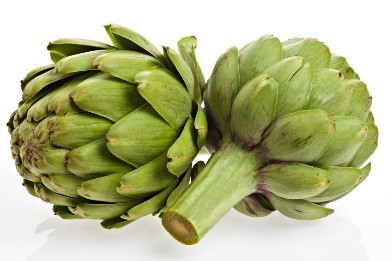
Artichokes:

Artichokes can be steamed, boiled, baked or grilled. I’ve had to play around with these to find how I like to cook them best. Boiling them whole is fast and easy in the beginning but can be messier to prep afterwards while they’re hot and soft. Plus, I’m always impatient and don’t want to wait around for them to cool off. My preferred method is to get them all prepped first and then bake them. That way they’re ready to eat as soon as I take them out of the oven.

To prepare, first have a lemon handy. Cut about an inch off the stem and top of the artichoke. Then cut in half and remove the fuzzy part in the center with a spoon. Rub the cut side with a half a lemon, squeezing some juice into the fold and the middle. Drizzle with olive oil, trying to get it between the folds, sprinkle with salt, pepper and freshly minced garlic. Bake on a cookie sheet for about 25 minutes at 425°. Mayonnaise mixed with a little balsamic vinegar is commonly used for a dip, or try using some olive oil or salad dressing mixed with mustard and balsamic vinegar. Play around with it. Your pantry is the limit!

RECIPE

Fresh Spring Rolls

If you’ve had this fancy Thai appetizer before, you may be surprised how easy they are to make at home. Try it out and see what you think!

Ingredients: (Put whatever veggies you’d like in these)

½ cucumber, halved and thinly sliced

1 carrot, Julienned

1 avocado, sliced

½ bell pepper, thinly sliced

2 green onions, diced

Lettuce, cut small

Cilantro, chopped(optional)

Rice paper, 8+ inch rounds

A protein (I like using grilled chicken but seafood is often used here)

Dipping sauce:

Mix 1 part crunchy peanut butter with 2 parts hoisin sauce, or store bought Asian dipping sauce.

Directions:

Preparation: 20-30 min

1. Cut up all the veggies and put in bowls or separate piles for easy access.

2. Fill a large salad bowl with hot water from the faucet. Place a single piece of rice paper under the water for a couple seconds. As soon as it becomes soft and pliable (about 5 seconds) remove from the bowl and place on a smooth plastic cutting board.

3. Arrange some of each ingredient on the rice paper in a row close to the center.

4. Roll rice paper by folding the shorter piece over first then wrapping the top and bottom down ends down. Finish by rolling the remainder from the middle out, keeping as tight as possible. Repeat

Posted on

How to Eat Your BOX! (Week of 2/12/17)

Baby Broccolini:

Broccolini is a hybrid between broccoli and Chinese kale (not actually baby broccoli). It can be cooked much the same way as regular broccoli but is more tender and takes less maintenance. Simply chop off an inch or two from the stems and either bake in the oven or toss in a stir fry with chopped garlic and olive oil. Like other vegetables, these are often blanched first before sautéing. Do this by cooking the broccolini in boiling water for about two minutes, then transfer to a bowl of ice water. Add olive to the pan and sauté the garlic, adding the broccolini back in at the end to reheat. To bake, toss in olive oil and spread evenly on a baking sheet. Bake at 425°F for 10-15 minutes until tender.

Russet Potatoes:

Russets have a flesh that’s snowy white and very dry, they are the quintessential baking potato. They also make first-rate mashed potatoes and the best French fries! Where they don’t shine is in recipes that call for boiling, as in most potato salads. Though russets make delicious pureed soups, it’s not a good idea to use them in any soup where you want the potatoes to stay in small, intact chunks.

Baby Bok Choy:

This Asian vegetable is in a class all on its own. Despite its delicate and light weight build, bok choy can be quite versatile. Try sautéing in a little olive oil and freshly minced garlic or follow the recipe below. I recently discovered that baby bok choy has a nice flavor without being cooked at all (not sure why I didn’t try it this sooner!) Plus, it has a wonderfully crunchy texture, which I love! So, if you’re not a fan of the squishier consistency of cooked bok choy, try tossing it into a salad with other salad veggies (can also use diced apple and raisons in this one!). Then top with your favorite dressing (a ginger vinaigrette works great) or try making your own! You could simply mix olive oil and vinegar with a little mustard (my go to), or try something a little fancier by blending ½ cup of soy, hemp, or almond milk, ½ cup cashews or ¼ cup cashew butter, ¼ cup balsamic vinegar, and a teaspoon of Dijon mustard.

Horseradish:

In our Northwest Boxes this week. Learn how to make your own horseradish sauce from scratch, here.


Stir-Fried Bok Choy and Cherry Tomatoes

Can be served as a side or on top of rice noodles with soy sauce. Add other vegetables if desired.

Ingredients:

2 garlic cloves, chopped

1 scallion, chopped

6-8 cherry tomatoes, halved

2 heads of baby bok choy, cut into1-inch pieces

1 tbsp olive oil

sea salt and pepper, to taste

juice of ½ lemon

Directions:

Preparation: 5 min Cook: 15 min Ready In: 20 Min

1. Wash and prepare ingredients.

2. In a medium skillet, heat olive oil over medium heat.

3. Add garlic, scallion and tomatoes and allow to sauté for 5 minutes or until soft and lightly browned 4. Add the bok choy and allow to cook for 3-5 minutes or until wilted, and add salt, pepper and lemon juice. 5. Remove from heat, serve and enjoy!

Recipe adapted from rebootwithjoe.com


Posted on

How to Eat Your BOX! (Week of 2/5/17)

Spinach:

The first thing I do when I bring spinach home is to wash it and lay it out on the counter to dry. Don’t put it away sopping wet. This way it will last longer and be ready to use when needed. Another great way to keep spinach longer is to freeze it. If I’m not going to use it fresh, say in a salad, then frozen spinach can be used just as well in cooking or in a smoothie. I love having spinach in my freezer because I know I don’t have to worry about it and it’s available when I need it. When storing in the freezer make sure to wash it first and let dry. Also, cut off any roots and stems you wouldn’t eat and put in an air tight container vs. a bag. This will keep it from getting freezer burned and is also easier to grab and put away.

Cauliflower:

I’m in the midst of a no-grain life style right now so cauliflower is quickly becoming my best friend. [think cauliflower rice, tortillas, meat pie, pizza crust, biscuits, mashed potatoes (yes, I’m cutting back starches too;), etc.] There are a plethora of recipes online for creative ways to use cauliflower. Check out the link below or simply google “creative ways to use cauliflower” 😉 Here’s a site that has some great links for recipe that use cauliflower as an alternative to carbs. http://paleoleap.com/8-creative-cauliflower-substitutions-unhealthy-foods/

Romanesco:

If you’re a math nerd this vegetable is right up your ally. Sometimes called Romanesco broccoli or Roman cauliflower, it resembles a green cauliflower with florets that mimic fractals. You heard me, fractals! If you’ve never heard of this impressive brassica I recommend looking it up. Romanesco cooks/eats the same way a cauliflower would. But, because I would hate for you to chop/puree away the artistic beauty of this thing, I recommend less violent cooking methods. Try cutting it into quarters, basting in a garlicy rub (olive oil, salt, pepper, garlic, lemon) and steaming for 4-6 minutes, or baking at 425° for 35-40 minutes. Enjoy!

-Anna Stenberg, Produce Enthusiast

Posted on

How to Eat Your BOX! (Week of 1/29/17)

This week’ How To Eat Your Box! entry comes from guest writer Ashley Rodriguez, food blogger at Not Without Salt.

Tangelos

Citrus are my personal highlight of winter. They are the sunshine on the plate. In our house citrus rarely makes it beyond the point of peeling then eating. Tangelos specifically are a cross between a tangerine and a pomelo or grapefruit. The taste is prominently tangerine.

Peeled, tangelos are a great addition to smoothies as they offer a bright zing and of course plenty of vitamin c which is vital during these gray months.

Citrus, in nearly any form, is a perfect addition to brighten up a salad. Add citrus segments to winter greens along with avocado and crumbles of salty feta. Drizzle the salad with olive oil and a squeeze of lemon or lime.

Bosc Pears

The recipe I’m sharing today is a version of a salad I enjoyed while on a trip to Lyon, France with my husband. Yeah, I know, I’m jealous of myself after reading that sentence. But the point is, how often does a salad make such an impression that you carry it with you across the country – not physically I mean. You get my point.

The first step in the recipe is to caramelize thick slices of pears. Bosc pears, with their deep flavor, firm texture and rough russeted skin are the perfect candidate for this salad. Bosc pears are crisp and hold their shape well even when baked. They are an ideal candidate for a poached pear or, if you ever have leftover pie dough laying around and I do hope you find yourself in such a predicament at some point in your life. Roll the dough to about 1/4-inch thickness and lay thinly sliced pear over the top, leaving about 1/2-inch border. Sprinkle the pear slices with sugar then bake until the crust is puffed and golden. Serve with loosely whipped cream or vanilla ice cream.

Don’t be fooled by the Bosc’s rough exterior and firm touch, they are sweeter and more flavorful earlier in the ripening process than most other pears. Their full flavor is best enjoyed before their flesh softens.

Recipe: Caramelized Pear Salad with Goat Cheese Toasts

From Ashley Rodriguez, Not Without Salt

Ingredients:

4 1/2-inch thick slices of baguette

1 garlic clove, peeled

4 ounces goat cheese (chevre, crottin or other soft easy melting cheese), cut into 4 rounds

1/2 pear, sliced

2 tablespoons sugar

1 tablespoon butter

4 cups greens, washed and dried

1/3 cup toasted walnut pieces

1/4 cup Shallot Vinaigrette

For the vinaigrette:

1 tablespoon minced shallot

1 teaspoon honey

2 teaspoons Dijon mustard

2 tablespoons red wine vinegar

1⁄4 cup / 60 ml extra-virgin olive oil

1⁄4 teaspoon kosher salt

1⁄8 teaspoon freshly ground black pepper

Instructions:

1. Set your oven rack just under the broiler. Turn on the broiler.

2. Place the baguette onto a sheet tray and slide it on the rack. Watch closely as the bread will toast quickly. Just as the bread starts to crisp remove the tray from the oven and rub the crispy, craggily pieces of bread with a garlic clove. Don’t neglect the crust.

3. Set a piece of goat cheese on each slice of bread then place under the broiler until the cheese is melted and soft, and the bread has become even crispier.

For the pears:

1. Melt the butter in a skillet set over medium-high heat. Place the sugar in a small shallow bowl and dip each pear slice into the sugar to coat all sides of the flesh. Set the pears in the skillet and cook without disturbing until the sugar turns golden and caramelizes the sides of the pear, about 2 to 3 minutes per side.

2. Remove the pears from the skillet and set aside until you are ready to assemble the salad.

Assemble the salad:

1. Toss the greens in a bowl along with the vinaigrette. Evenly coat the leaves and taste for seasoning.

2. Divide the greens between two bowls then top with the walnuts, caramelized pears and two pieces of the goat cheese toast.

3. Serve immediately.

For the Shallot Vinaigrette:

1. Whisk together the shallot, honey, mustard, and vinegar. Continue to whisk while pouring in the oil.

2. Alternatively, combine all the ingredients in a jar and then shake until combined. Add the salt and pepper. Taste and adjust seasonings to your desire.

Posted on

How To Eat Your BOX! (Week of 1/22/17)

Bananas:

Apart from being a main ingredient in smoothie’s, bananas are great in cooking as well. I started using up my ripe bananas to make flourless pancakes a few years ago. Now it’s my go to when the bananas are a little past their prime. (It’s also a lot easier and quicker than pulling out the old banana bread recipe.) The basic recipe I use has only 3 ingredients: 2 eggs per 1 ½ bananas and 1/8 tsp baking powder. Lightly mash bananas with a fork to make a chunky mixture. Whisk together the eggs and baking powder and mix in with bananas. I also like to add a little vanilla extract and cinnamon or you can experiment with other ingredients. Cook these in a frying pan over medium low heat. Only use about 2 tablespoons of batter for each pancake as they can be difficult to manage otherwise. These are best right out of the frying pan with yogurt and berries or spread with peanut butter. Another great way to use up bananas would be to freeze them and make banana ice cream! Simply toss 2 frozen bananas in the food processor with about 2 tablespoons of almond milk and blend until smooth. For more flavor try adding ¼ teaspoon vanilla extract, or a tablespoon of coco powder or peanut butter (or both!)

Red Bananas:

Our Harvest and Fruit boxes contain a red banana variety in this week. They are smaller and plumper than yellow bananas but can be eaten the same way. These bananas can be more difficult to tell when ripe because they don’t change color as noticeably, although they do turn a brighter red and lose and any green tones. They should also be slightly tender and not hard when ripe. Place in a paper bag along with an avocado to help with the ripening process.

Cinnamon-Brown Sugar Delicata Squash with Pears

Ingredients:

1 pound delicata squash (about 1 large)

2 Asian pears, sliced

2 tsp. extra-virgin olive oil

¼ tsp. salt

¼ tsp. freshly ground pepper

2 Tbsp. water

1 Tbsp. light brown sugar

1 tsp. cinnamon powder

Directions:

Preparation: 20 min Ready In: 35 min Preheat oven to 425°F.

1. Cut squash in half lengthwise; scoop out the seeds. Cut crosswise into ¼-inch slices. 2. 2. Toss in a large bowl with pears, oil, salt and pepper. Spread on a large baking sheet.

3. Roast the squash and pears until just tender, stirring once or twice, 20 to 25 minutes.

4. Discard all but 2 teaspoons fat from the pan. Over medium heat, stir in water, brown sugar and cinnamon. Add the squash and pears; toss to coat.

Easy cleanup: To save time and keep your baking sheet looking fresh, line it with a layer of foil before you bake.

Recipe adapted from Eatingwell.com

Posted on

How To Eat Your BOX! (Week of 1/15/17)

Cucumber:

Apart from cucumber salad, cucumbers make a fun and refreshing topping to sandwiches! Whether it’s the traditional open faced cucumber and cream cheese with dill that they serve at showers, diced cucumber with tomato, onions and feta cheese wrapped in a pita bread, or simply sliced cucumber on your average, every day sandwich, I love the added crunch and fresh flavor it adds. Cucumber is also perfect in salsas, grain or pasta salads, egg salads or simply raw as a finger food. I like eating mine with a spritz of lemon and salt.

Zucchini:

I must admit, I didn’t use to like zucchini, However, what I’ve come to realize more and more (as about all produce), is that the problem often isn’t what it is, but how it’s cooked. Now I absolutely love zucchini because I’ve discovered ways I like to eat it. Firstly, I enjoy it raw! Who knew? 🙂 It’s great in salads or as a finger food with dip. I also like adding it to stir fry or making zucchini patties (which are amazing!). The key for me was to shred or “noodle” my zucchini when I cooked it. Chopping it into chunks always yielded the same mushy texture that just didn’t suit me. Whereas if I shredded it, suddenly it was a whole new experience! Make sure not to cook it too long or it might turn to mush. I always add it last to my stir fry or as the noodle to my “spaghetti”. It only needs to cook for about a minute or so. Try experimenting with zucchini this week to find how you like it best!

Cauliflower:

There are so many ways to use this vegetable that I don’t even know where to start. It can be chopped up and added to salad or soup, roasted in the oven, tossed in a stir fry, boiled and pureed as a stand-in for mashed potatoes or to make a creamy soup, baked into a pizza crust as a flourless alternative, or simply eaten raw. The options are endless! You don’t even have to cut it up. Try baking it whole by simply cutting off the leaves and stem so it can sit upright, baste in olive oil, salt and spices of your choice, and bake on a cookie sheet or cast iron skillet at 450°F. for about 45-60 minutes or until a knife can be inserted easily. Because of its mild flavor, cauliflower goes well in spicy dishes or curries as it soaks up all the other flavors. Healthy cauliflower recipes.

Brussels Sprouts:

The first time I ever tasted caramelized Brussels sprouts I was hooked! Below, I show you how I like to roast them in the oven, but they also caramelize well when sautéed!

Preheat oven to 425°F. Trim off the bottoms of the Brussels sprouts (don’t take off too much or they fall apart) and outer leaves and slice lengthwise. Toss with olive oil (about a tablespoon), salt, pepper, and mix until coated thoroughly. Roast on a baking sheet until tender and caramelized, about 20 minutes. They can be served as is or for a little extra flavor, try drizzling balsamic vinegar or lemon juice on top. Mix together and add salt to taste.

Celeriac:

Celery root or celeriac is prized for its distinctive flavor which is somewhere between celery and parsley. Although cooked celery root is excellent in soups, stew, and other hot dishes, it can also be enjoyed raw, especially grated and tossed in salads. Raw celery root has an intense flavor that tends to dominate salads, so pair it with other strongly flavored fruits and vegetables, such as carrots, beets, and apples. Before using celery root, peel and soak briefly in water with a little vinegar or lemon juice to prevent cut surfaces from darkening.

Recipe for: Mashed Celeriac

Posted on

How to Eat Your BOX! (week of 1/8/2017)

Spinach:

Spinach is one of those handy vegetables that can be used raw or cooked. Used in salad, it’s a nice change from the norm. Try using thinly sliced green onions, cucumber, and apples from this week’s box in yours! For dressing, vinaigrettes go well with spinach. I like to mix balsamic vinegar with olive oil but just about any dressing will do. Spinach is used in cooking just as often as it is used fresh. It makes a great addition for scrambled eggs, sandwiches, tacos, wraps, pasta, or sauté. Some like to sauté it up in just a little olive oil and garlic and eat it like Popeye. I even enjoy adding a handful to my smoothies.

Celery:

Celery is a popular finger food as well as a flavorful addition to soups. Because of their shape, they are great for stuffing for a fun and flavorful snack. You can get pretty creative when it comes to what you put on them: Peanut butter is the first thing that comes to mind but you can stuff your celery with just about anything. Cream cheese makes a good filler, try it mixed with chopped nuts and raisins. Celery is also often used in salad. You can go sweet: using thinly sliced apples, pecans, raisins, yogurt or sour cream, honey and a pinch of cinnamon or make it savory with lettuce or spinach, finely chopped onion, olive oil, lemon juice or vinegar, salt and pepper.

Green Onions:

Also known as scallions, green onions are milder than regular onions but add a nice pop of flavor and color to almost any dish. They are commonly used as a topping for baked potatoes or on salad. I like adding them to my soup. They add a freshness to Asian style soups like egg drop or ramen noodle soup. They are also a great addition to omelets or quiche. Or, you can even grill them whole like spring onions and eat them all by themselves with a little lemon, salt & pepper.

Green Beans:

Greens beans make a great side for dinner, especially if you sauté them in little olive oil and garlic. To cook more evenly blanch first by adding to a pot of boiling for 2 minutes. Then drain and put in ice water to stop the cooking process. Sauté garlic in olive oil and add green beans, sautéing until lightly seared. Add salt and pepper to taste. Green beans can also be easily baked in the oven like any other vegetable. Simply spread out evenly on a baking sheet, drizzle with olive oil, salt, pepper, and garlic powder, and toss to coat. Bake at 425° for 15 minutes. Take out after about ten minutes and shake to turn. Sprinkle with some parmesan and serve.

Parsnips:

Parsnips have an almost peppery sweet flavor to them that comes out nicely when roasted. They make a great addition/alternative to the more traditional baked or sautéed root vegetable. Try these diced into bite size chunks or julienned, drizzled with olive oil and tossed in a bowl with a little

salt and cayenne(or other spices). Bake on bottom rack at 450° for 20-30 minutes, stirring occasionally, until edges are browned and crispy.