Posted on

Hoping for a Gully Washer

Actually, I am looking for a good rain to clean the air and end the fire season early or at least allow a respite for all the fire crews and families directly impacted by all the forest fires. And for the rest of us breathing this smoke, it would be most appreciated too. Lord, please send the rain.

Last week, Joelle and I and a few of the kiddos snuck off to Moclips for a few days before soccer starts, school begins and the final push to the Fall farm season. Fortuitously, it also happened to have the best air quality in the state, not great but not above 100 either.

We just played at the beach.

The waves just kept coming and coming and coming! Awesome power and rhythmic. When all was quiet during the wee hours of the morning, (I might be on a vacation, but I still get up at 5am) you could hear the constant roar of the ocean, like a freight train, but it is never accompanied by a crossing signal or the faint coming or going of a train. What power, magnificent power!

Most of us reading this newsletter, appreciate the tide coming and going as it pertains to the Puget Sound of Salish Sea. And for sure the sound can be very stormy, but it is a tame beast compared to the Pacific Ocean.

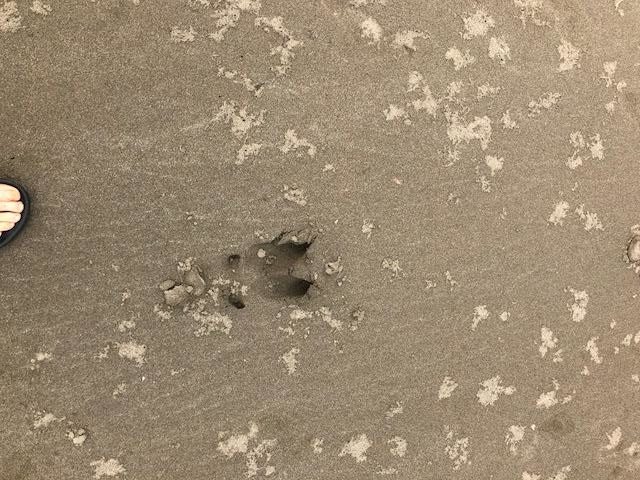
We wandered out into the Griffiths-Priday state park and waded the quiet waters of the Copalis River. We made our way to the mouth of the river, a completely different experience than the Stillaguamish and Skagit Rivers. There we came across the biggest hoof prints I have ever seen. Definitely not coastal black tail, or horses, they belonged to an elk. I guess Elk Creek was appropriately named after all! The tracks were huge, and the gait had to be 6 feet between hoof prints. We followed the tracks in the wet sand till it crossed back over the Copalis River and though we searched and searched, we couldn’t find the tracks on the other side of the river. But it was fun to look and since we are on vacation and no need to be anywhere at the moment, looking was perfectly acceptable.

Nature is beautiful. It is beautiful at the ocean, and in the city and on the farm. There is so much intricacy on a centipede or a robin or skate. Leaves floating above the water and leaves jostling below the water both making their way to the ocean or the bottom, but both destined to rejuvenate the ecosystem.

It is a privilege to participate actively or passively with nature and all its wonder.


Tristan

Last week wanderer, this week farmer
Posted on

August

It is that funny month, where you hang onto every last drop of Summer and yet are looking forward to Fall. The mornings are cooler, but the days are still hot and smoky! A good rain would sure be appreciated by everyone across the West. I recently paused and read this great email/newsletter written by Tom Stearns from High Mowing Seeds that summed up the season better than I could. It is written for growers by a grower. I pulled out this small excerpt to share with you. (Disclaimer. I receive no financial benefit by saying this ?. I purchase most of my organic seed from High Mowing Organic Seeds and would encourage you to give them a try, too.)


In Need of Pause

August. What does it bring to mind for you? Perhaps it is harvests: long, seemingly never-ending harvests. Or maybe it is water: the drips we give our thirsty plants, or the lakes, ponds, streams and rivers in which we cool our over-heated bodies after a long day in dusty fields. Certainly, August embodies the Sunday Syndrome of summer: although the season is not yet over, we already begin to look past it to what the next has to offer. This strange, hot month offers us a respite – a needed breath of air before plunging in again for cool, abundant autumn.

I have always appreciated how the poet Helen Hunt Jackson described this month in her poem of the same name: an “interval of peace” in which “all sweet sounds cease, save hum of insects’ aimless industry.” It truly is a pause – a greatly needed one – in which our plants are finally at stasis, if only briefly, and we can at last sneak away for an afternoon or an evening to do nothing but perhaps listen to the hum of aimless insects and recharge the wellspring for the final push of summer.

Wishing you a welcome pause this month,

Tom Stearns, Owner & Founder
High Mowing Organic Seeds


Farmer or not, those words aptly describe what most of us are experiencing.

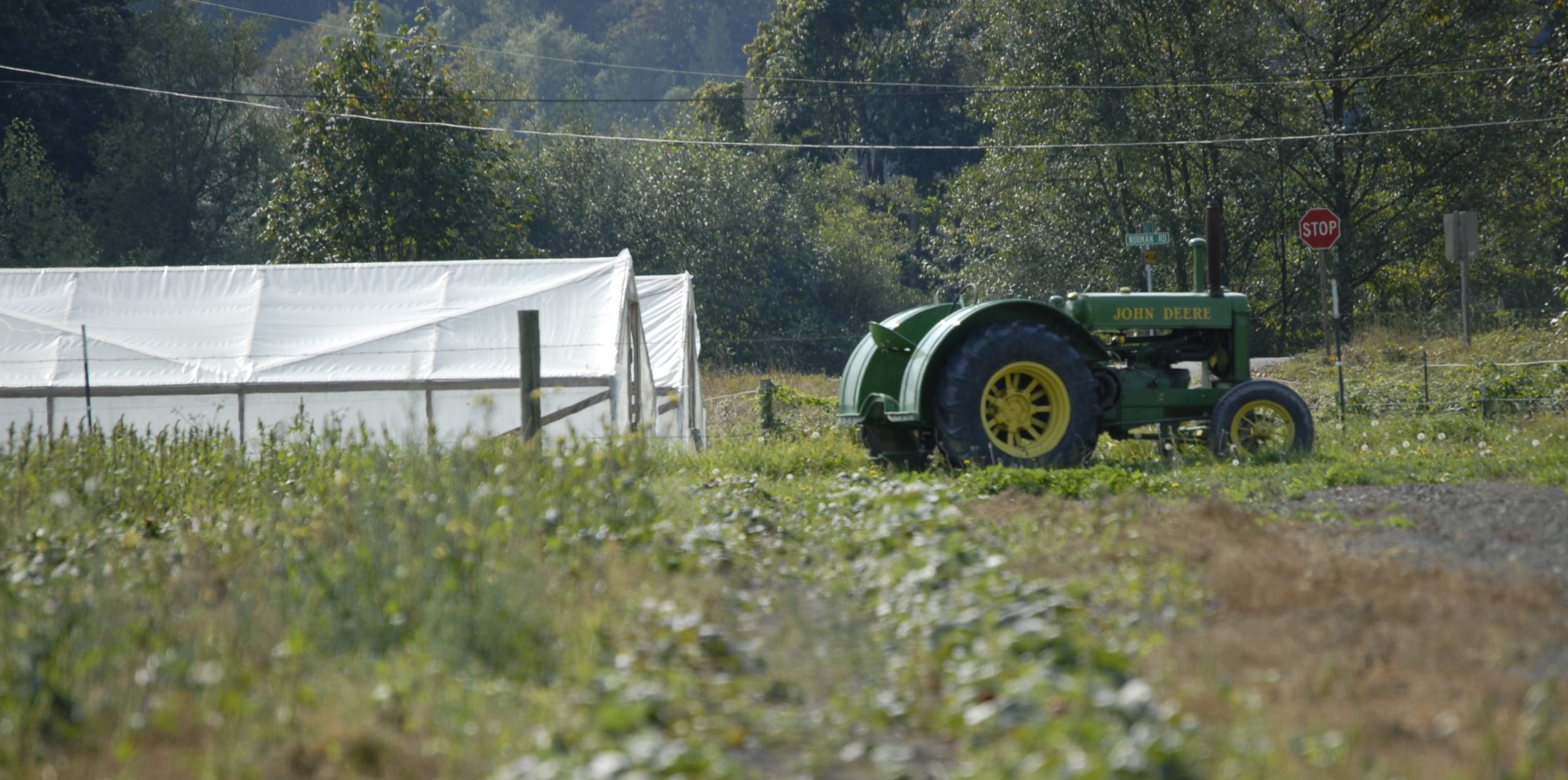
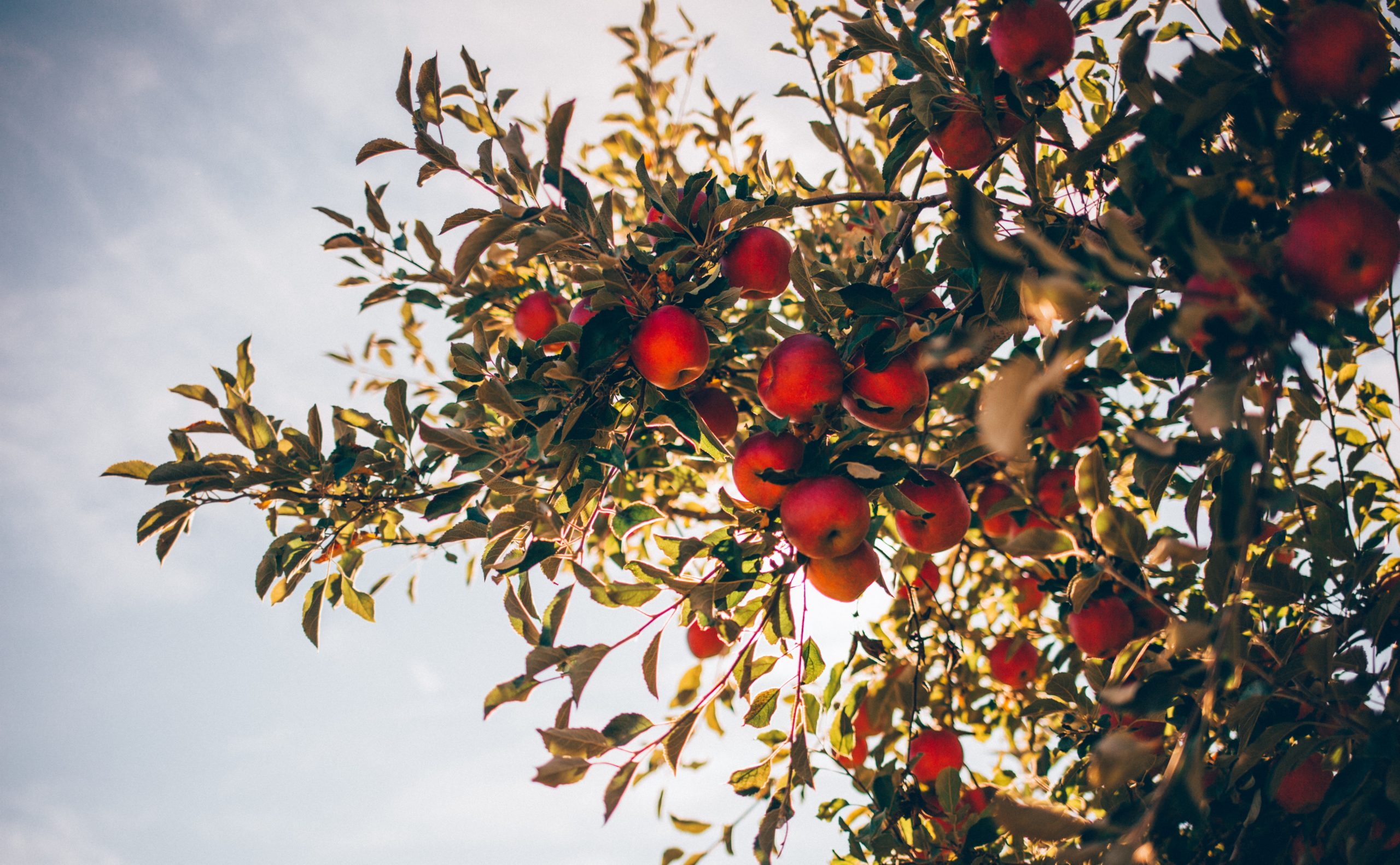
Our farm is at that spot, plantings have slowed, summer harvest is going strong and weeding is mostly caught up. Fall is often busier than Spring and ironically, what went into the ground as a seed in June is now coming out by the ton.  My attention is definitely on Fall crops, like making sure to pick the apples before they fall! That doesn’t always happen, but when one drops, the rest are not far behind. Corn, winter squash and pears are not far off either and then there is the last plantings of garlic, winter kale, frisée, and Radicchio’s to be planted. We will also be planting cover crops to feed the soil and protect it from the compaction of winter rains.

I am tired just thinking about it all, but at the same time I am energized to see it through to completion.


Tristan

For the tired farm crew.

Posted on

At What Price

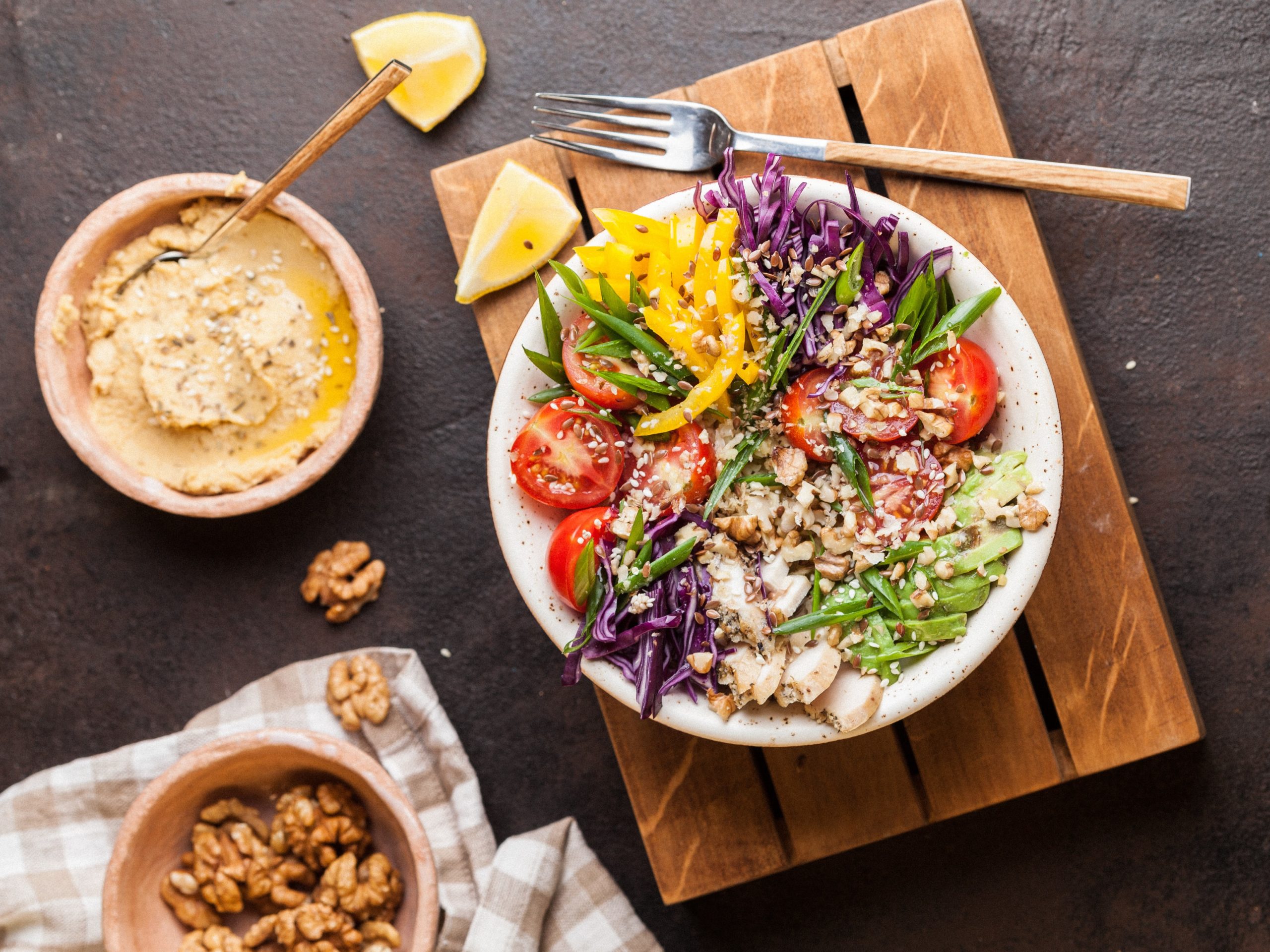
Fresh salad with hummas and walnuts

I love what we do. I love that our team gets to grow, source, and deliver health. I love that everything we deliver is better for your heath and better for the environment. For the last twenty years we have been offering nutrient rich fruits and vegetables to families like you every single week. That is a long run! Many of you reading this newsletter have been a customer for a decade or more and more than a few of you have been customers from the beginning since 1998.

For us, doing business is more akin to serving our neighbors. We want everyone to eat healthy and be healthy. We want each of you to have access to the freshest and healthiest foods to nourish your body and provide energy to accomplish everything on your to do list – everyday!

I firmly believe that health and health care start at the farm and our forks. When we choose a diet rich in organic fruits and vegetables, our bodies tend towards a normal weight as does our A1C, lipid panels and blood pressure. We also introduce a lot of antioxidants into our bodies that just love to tie up damaging free radicals.

The other day I saw this ad in the Everett Herald – “Ready to Get Healthy”. There was a picture of a smiling obese person. The sub text said, “Sign up to attend a free seminar on Bariatric surgery.” To be perfectly clear, Bariatric surgeries can work, but so can sewing your jaw shut! Our stomachs are about 1 liter in size. That is not very big and to go through an intense and invasive surgery to limit our ability to overeat seems extreme.

I think it would be better for insurance companies to invest the thousands of dollars that this surgery costs and spend it on a one month stay at a health clinic where a person could get educated about a healthy diet, be fed a healthy, primarily plant-based diet and given an appropriate exercise regime – all monitored. The same money would produce better, less intrusive results and would impact other people in the immediate family and circle of friends.

Of course, the FDA and USDA could just require purveyors of junk food to pay for the medical bills out of their obscene profits instead of expecting the taxpayers or insurance companies to pay for the medical costs as they use their profits to sicken more. Or, the USDA and FDA could just ban known junk food that is contributing to the health crisis, but don’t hold your breath for these changes.

Unfortunately, legislating health is not likely, but we get to choose health one bite at a time, 3x’s a day. Even having just one salad a day can have immense health benefits.

I also want to share that is both hard to eat healthy and easy to eat healthy. So, where ever you find yourself on the continuum of eating healthy or being healthy, that is where you are. You can’t change that.

You can’t go backward, only forward. So today, tonight, pick up that fork and make a healthy choice and another and another.

The culmination of all of us saying yes to healthy food will have a powerful impact on our personal health, our family’s health and eventually our Nation’s health.


Tristan Klesick

Your Farmer and Health Advocate

Posted on

When Time Flies By…

When I was younger I thought I had the “tiger by the tail.” I had unlimited amounts of energy and ideas and was constantly moving and doing. But now I have a little more seasoned appreciation for life and where to invest my limited energy and unlimited ideas.

Farming is one place where an unlimited amount of energy has served me well. When Joelle and I started farming over 20 years ago, you couldn’t even “google” us and “earthlink” was our internet dial up provider.  That’s akin to shopping for school clothes at Montgomery Wards or Sears! If you are lost about now, you can “google” it and get a history lesson. ?

We have chosen to stay small, local and control our own deliveries. It is an important distinction that we control so much of our offerings. When your name is on the Box of Good, you want it to be as perfect as possible.

“Mr. Klesick is a passionate person” or “He cares about the big picture.” These sentiments come across my desk quite frequently. It stems from my desire to bring you the freshest and healthiest organic fruits and vegetables because the freshest and healthiest vegetables are what fuel our bodies to serve our families, friends, and communities. Eating is important as is eating the best of the best and that is what the Klesick team tries deliver to you every week.

I also believe that Americans and the world are eating less vegetables and fruit and less diversity of vegetables and fruit. Consequently, these important nutrients are missing in a majority of Americans’ diets. Sadly, they are being replaced with more shelf stable and processed foods. I firmly believe that if Klesick’s is going to be a part of the solution to America’s nutritional crisis and the host of maladies that come from eating a diet low in vegetables and fruit, our boxes of good need to have a diversity of fruits and vegetables to maximize our health.

This is no easy task because all of us have different taste buds and all of us to one extent or another have been “tricked” by our taste buds (or corporate America), to prefer sweet and salt and not the subtle taste profiles of greens or plums.

For me, I use a “crowd out” strategy to eat healthy. On my plate I “crowd out” room for the more processed foods by filling my plate with a lot of vegetables and fruit. It takes a while to get use to eating this way, but by leading with the healthier fruits and vegetables my body says, “thank you.” And this body is the tool that I get to use to serve my Lord, my family, my community and you! I want to be as healthy as I can, so I can serve others as long as I can.

Tristan

Your farmer and Community Health Advocate

Posted on

A Time to Heal

Last week was the week I decided to fix my knee. I had twisted it around Mother’s Day and had been limping along for a few months between doctor visits and what not. Finally, it became obvious that surgery or limping along for the rest of my days were my two choices. I settled for surgery and had my knee scoped and all cleaned up—hopefully for a good long time, too.

Can I state the obvious? July on the farm is not the best time to slow down and few things slow you down more than a knee surgery. Currently, the Klesick farm team is in full harvest mode, planting mode and playing mode, but I am in CONVALESCING MODE! Not for long! I am already feeling better and gaining mobility.

When to schedule a surgery? That was a surprisingly easy decision. I took the earliest date possible. Around here we say, “Why put off tomorrow, what you can do today!”

So, for the last two weeks I have been running the farm from the “seat of my pants” in a very literal way! I have an awesome team and am grateful for their help.

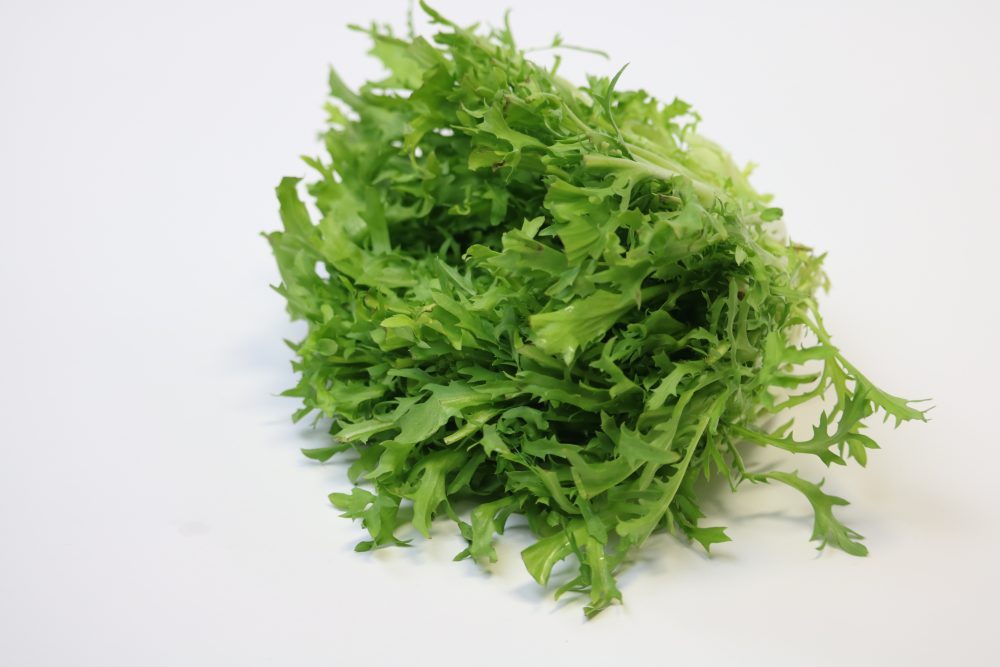
Frisée

This week we are featuring Frisée and all its health benefits. The Bitter Greens are so foreign to the American taste buds, but so critical to our health. Here is an excerpt from an article by mindbodygreen.com:

Imagine if you could eat something that would help your liver, act as a gentle diuretic to purify your blood, cleanse your system, assist in weight reduction, cleanse your skin, eliminate acne, improve your bowel function, prevent or lower high blood pressure, prevent anemia, lower your serum cholesterol by as much as half, eliminate or drastically reduce acid indigestion and gas buildup by cutting the heaviness of fatty foods, and, at the same time, have no negative side effects and selectively act on only what ails you. 

If I also told you that this wonder food also tasted good in salads, teas, and soups, what would you do to get your hands on this treasure? Well, thankfully you have nature on your side, providing these miracle plants in abundance during spring!

I’m talking about bitter greens. Dark and leafy, some great examples include dandelion, arugula, and kale. In addition to being vitamin-rich (like most greens), bitter greens are exceptionally beneficial for digestion. They have a bold flavor that may take some getting used to, but the health benefits are definitely worth the effort!

Cheers to your Liver’s Health!

Tristan Klesick

Your Farmer and Community Health Activist

Posted on

From Peas to Beans

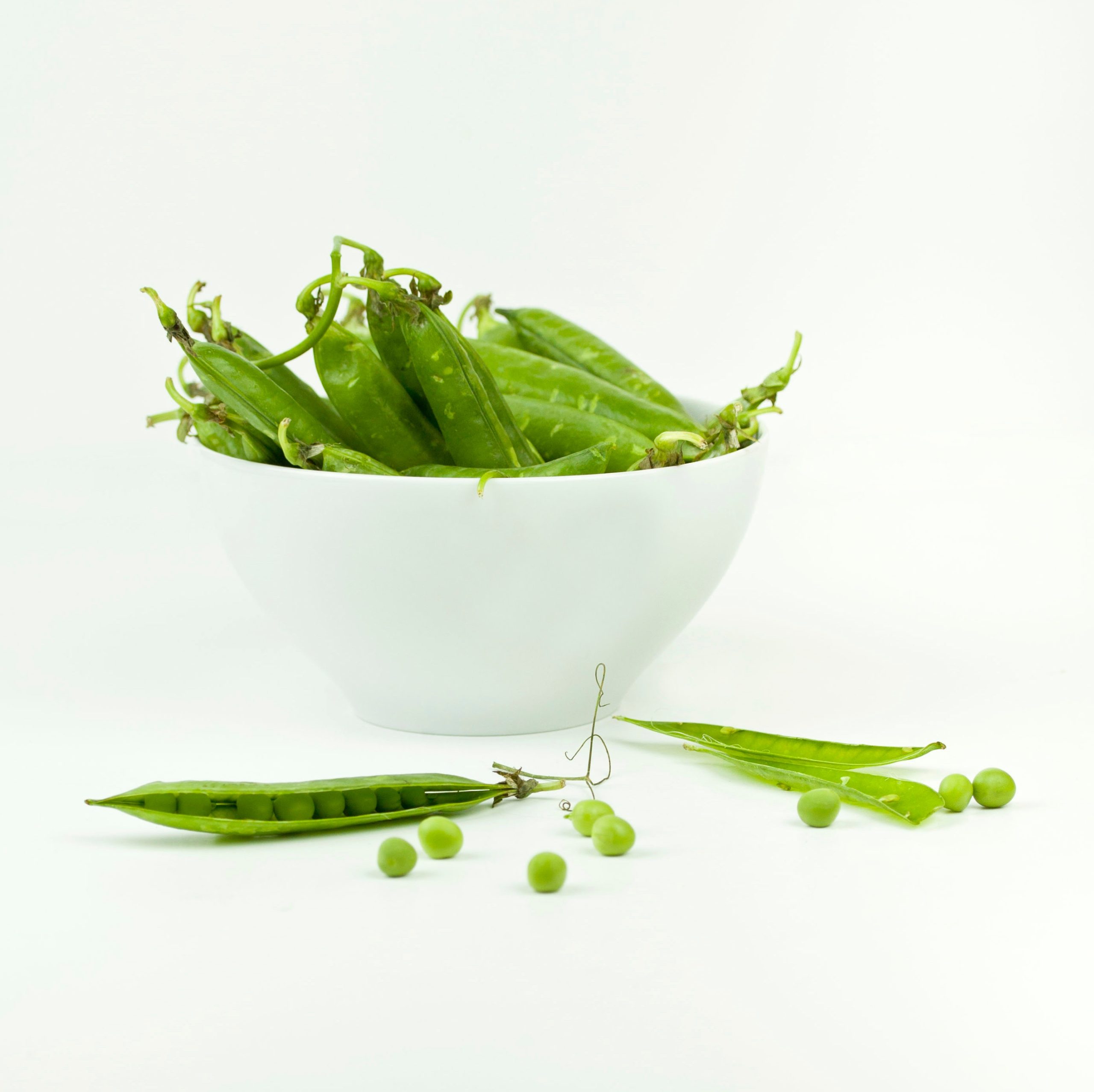
I can’t remember a year when I went from picking peas to picking beans. I wish I had more of those wonderful sugar snap peas, but…they love the cool weather and July is about when they decide to call it quits. This has a been a particularly good year for leafy vegetables and peas. I am always amazed at the fortitude of plants. Their whole purpose is to reproduce and as a farmer my whole purpose is to keep harvesting so that the plant will continue to keep producing, in this case, peas.

We have picked peas 2-3x a week for the last three weeks and even though I try and stagger my plantings, they all finish up around the same time. When it comes to peas, I have learned to plant once. The challenge with that is you can lose a crop when the weather turns south or, as in this year, hit a home run!

Now we are transitioning to Beans. My hamstrings are hurting just thinking about picking them. We grow a bush type bean that concentrates the harvest over a two-week period. Beans unlike peas handle staggered plantings pretty well. I have found that the April plantings are only a week a head of the early May plantings. There are also June and July plantings of beans. Those July plantings always make me a little nervous because most of my summer help heads back to school and Soccer season starts up about the time I need to pick them. They’re planted now!

We are also in the throes of raspberries and blackberries. We pick them every day and put them in our menus. This time of year, the menu planning is a little “squirrely”! Have you ever gone to a restaurant and the menu says, “Seasonal Vegetables or Seasonal Fruit”? Around here that is how we roll. I am constantly bringing up a few more random fresh vegetables and the packing team is tweaking the menus to fit it in and get out to you.

A good example of this in action is raspberries and blackberries. The season starts with raspberries and then blackberries start a week later and then both are on at the same time and then raspberries slow down and the blackberries keep trucking which is where we are right now. So, we will plan to bring you either raspberries or blackberries depending on which is ready on a given day.

This is probably too much information, but it is a glimpse behind the curtain of a working farm. And I believe that getting you the freshest fruits and vegetables is my primary job and sometimes it works itself out like “Seasonal Vegetables or Seasonal Fruit”, but all of it is organic and good for your health!

Thank you,


Tristan

Farmer and Community Health Advocate

Posted on

Oh My

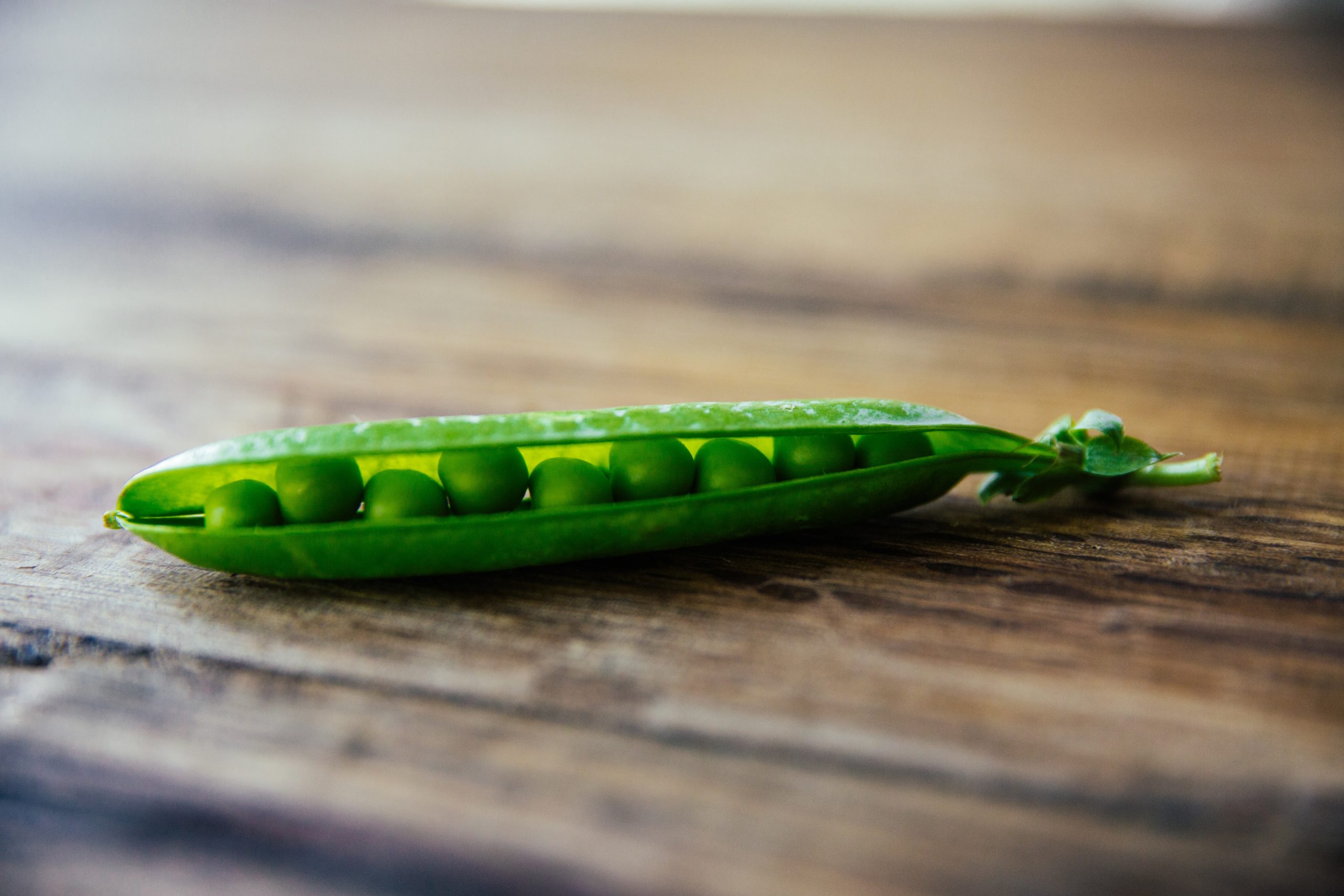
peas, opened pod

I feel like we are in the middle of an energetic piece of music. Every instrument is playing and playing hard and I while I can play almost every instrument, I have been relegated to the position of Maestro because of my knee injury!

I don’t relish that spot. I much prefer to be a part of the orchestra and conduct on the side. But as with most things, when your attention is divided, so is the work and so is the result. I am still working around the farm—mostly checking on what to do next, picking a few berries, monitoring the health of the crops, what needs water, what needs weeding, what is going in the ground next and when and what we will harvest in the near future.

As with most good pieces of music, the Farm season starts out slow. First, the planning, studying and selecting the vegetables: How will I modify the system this year? What works best for our farm, climate, crew? So many pieces before a single piece of dirt is plowed. As with most things, a little planning goes a long way and a lot of planning can really help.

I will say that with farming, though planning is critical, you hold onto them loosely because farming is a living system and is impacted by the weather in a very real way. As an example, last year it stopped raining June 15th and started raining September 15th. This year it didn’t rain in May and mostly rained in June. On the farm that means it has been a great year for lettuce, beets, peas, but cucumbers and tomatoes are not as happy. Of course, this year I planned for a lot of tomatoes. I still believe we will get a hot summer and my tomato crop will come.

The planning is done for the year. Now we are modifying the plan. Currently, I am weighing whether to plant a Fall crop of leaf lettuce or let the season play out. I will probably do both—some more plantings, but not as much. That’s primarily due to more warm weather, but also school starts up and fall soccer kicks in which can make it hard to find enough help to weed and harvest.

But for now, it’s all hands on deck. It is the busiest time of the season. The local crops are being harvested daily and delivered to you as fresh as possible. My poor packing crew. They almost run the other way when I roll in from the farm or neighboring farms, because they know that I will bringing something that needs to be fit into the menus, something that’s fresh, nutritious and just needed to be picked!

I love this season, but when Fall rolls around, I am more than ready for the Farm to quietly resolve and end peacefully. Although this year as your fulltime Farming Maestro I am not sure what that season will look like, I imagine that in September I will already be thinking about January’s planning of next year’s Farming season. Hopefully, with a fully functioning knee!


Tristan

Your Farmer and Community Health Activist

Posted on

Wedding Bells

Wedding season or farm season? It’s BOTH around here! It is a very special week at Klesick’s. Joelle and I are excited to welcome Abigail into our family. We have known her parents and family for years and have had the pleasure of watching Abby grow up before our eyes. She is a beautiful young lady and Andrew, our son, has definitely found the love of his life. We think she is pretty special, too.

What makes this wedding unique, is that Abby is Mike’s youngest daughter. Yes, the very same Mike, who responds to your emails and returns your phone calls is the proud father of the bride and future father-in-law to our son, Andrew.

Our families are excited for our children and their future.


Tristan Klesick

Posted on

Mobility

Thank you for all the kind comments and outpouring of care expressed over the last few weeks. The gift of movement is much more appreciated by this farmer than ever before.  Essentially, I can walk pain free, but can’t kneel or climb stairs, and while I am waiting for the MRI results, I have adapted to farming with limited mobility. 

Once I understand the problem better, I will make the best choice going forward. Initially, when my knee locked up, I went into full rest mode hoping that it would heal quickly. After a few weeks of therapy, icing and rest with very little progress, I pursued an MRI. As I was resting and learning to drive an office chair ?, I realized that I was able to get around better with the limited mobility. So that is what I am doing.

If you check out our Instagram or Facebook page, you are probably aware that the farming portion of our business is about to explode. We have been primarily harvesting Lettuce, but now we are going to be adding Sugar Snap peas, Chards, and Bok Choy. Beans, Raspberries, and Blackberries are close also. This is the absolute best time to be a farmer and the absolute worst time to be LAME! But here I am. 

The hardest part for me is actually thinking in advance. There is so much that has to be done now and a lot of it gets decided the day of.  Decisions like: Do we save the Kohlrabi from being swallowed by weeds or do we trellis the peas? What time should we transplant the next round of cabbages and cukes—this evening or tomorrow? Or remember that we need to direct seed the 4th planting of beans so that we will have something to harvest in August. Don’t forget to pay attention to the Garlic. It is getting close and it is beautiful.

All these things are coursing through my mind as I WALK the fields wishing I could just jump right in and do SOMETHING! But I do have a new farm crew and they are quick learners. They can discern between pig weed and chard and thornless blackberries and blackberries with thorns. These are important skills. I am learning how to manage and be less of a doer. It is not an easy transition, because I love to farm, but, it is a necessary transition as I get older.

It is comforting to know that it takes four teenagers to REPLACE me (SMILE).  Not really. We are getting way more work done than I could by myself. I am also comforted that for the two weeks I was less active, Klesick’s kept humming along.

Our team, every one of them, is incredibly talented! This has made my ultimate goal of serving you by delivering organically grown farm fresh produce that moves the needle on your personal health uninterrupted.


Tristan Klesick

Your Farmer and Community Health Activist

Posted on

As Luck Would Have It????

This year we have committed to growing even more food on our farm than we have in the past, which precipitated a need for more help to handle the additional weeding, harvesting, more weeding etc. Like most years, I have a big appetite for planting and while I do plan, the amount of work is often deemphasized while planning. As is often the case, the work is always considerably more.

This year we were fortunate to have a gaggle of teenage boys apply and I hired them. Strong young men who would like to earn some money. The challenge is that they were still in school and could only really work on Saturdays. This all changes this week and none too soon, because the weeds are coming with all the rain we got last week and the sun we got after that!

Normally, our family and a helper try to handle most of the farming chores, but this year I decided to add some help with the increased farming we added. And it was a good thing. With the wet April and the warm May, we were forced to pack a lot of farming into a fairly small weather window. This means that there is a ton of good work for those young men and our family.

Even more providential is that about two weeks ago I twisted my knee and have been unable to farm. I went from 12,000 steps a day to 100 steps overnight and have been limping along ever since. Oh, I miss farming, but having hired those young men plus John, our full-time farm hand, things have been trucking along. I have moved more towards managing the farm and doing less “farming”.

Even though I am a lame farmer for the foreseeable future, I am a “thankful” lame farmer and have been able to focus on some other important things like spending time with my children and grandchildren. As you might imagine during this season, I would rarely stop moving from sun up to sun down. But, this year I have been practicing how to SIT! My mom will attest that I came out of the womb and never stopped moving. So, this has been a big change for me.

I have had a chance to test a hypothesis though. I have often thought that weight loss has more to do with what a person eats than exercise. I believe in exercise, but now that I am a “lame” farmer, I got to test this hypothesis out. I know that a lot of people who tend to live a more sedentary lifestyle tend to gain weight (eek!). I am happy to report that I actually lost a little weight over the last three weeks, even though my physical activity has been sharply curtailed. I didn’t eat less or differently, just continued to eat a diet rich in plants. I am looking forward to getting back to farming, but as “luck” would have it, I have a great farm crew that has stepped up!


Tristan Klesick

Your Farmer and Community Health Activist

Posted on

Protection or Free Trade

Last week we delved into the benefits of farmland and having farmers to work the land. Having local farmland is a national security issue, a national health issue and national environmental issue. Let’s face it, if we do not control our food supply we will be at the mercy of those countries that do. And food will become more like oil. And our presence in other countries becomes more important as other countries control or supply important commodities that America needs or thinks it needs. But whether it is a real or perceived need, if Americans (corporations) think it is important, there will be a demand to protect and ensure its supply/availability.

We are seeing this play out in a real time. Steel and aluminum are front and center. President Trump and this administration is deciding that protecting these industries are important to American security. Manufacturing jobs are good jobs and ironically, good union jobs, too. How did a Republican President of the free trade party take this stance??? We will have to leave this topic for another newsletter or newsletters.

Free trade, which is the issue under attack, is like most things; the pendulum swings one way and eventually swings back. We have been allowing Corporations to move jobs from America to other countries for decades, good jobs, but because it would be cheaper to produce somewhere else. Cheaper is an interesting word. Cheaper for the companies and the consumers who buy their products, but there were losers in the mix, too. Whole regions were shuttered and shoved aside and became “welfare” recipients.  One could argue that the consumers and corporations won, but consumers also had to pick up the tab for the loss of jobs, retraining, mental and emotional stress, shifting environmental damage to other parts of the world, etc. So much to talk about. 

This week, president Trump is trying to reestablish and protect American workers and the industries that remain. And other countries who have benefitted from Free Trade and developed industries to compete and supply steel or aluminum are fighting back because they need to protect their good paying jobs and their national security, economies, etc. 

It is also interesting that Agriculture is going to be the big loser. Farmers are always the first to get tariffs slapped on them, because America mostly exports food and imports everything else. So as this “reset” takes place, it is going to be a rocky road for a while as the world leaders try to figure out how to protect their own interests/corporations/consumers. 

So, to me, it looks like everyone at the table is looking out for their own interests and no one has the high moral ground. 

What I do know is that local food comes from local farms and having locally grown fruits and vegetables are vital to the health of every single person, regardless of where they live – America, China, Kenya, France, etc. And I hope that citizens everywhere invest in their health and strengthen their own local food economies. For most of us, voting with our dollars, does have local, national and international outcomes.

Thank you for your conscious choice to invest in your health and partner with Klesick Farms to keep local food and local farms viable and a part of our local communities.


Tristan Klesick

Your Farmer and Community Health Activist

Posted on

A Family Farm

Every farm at one time was a family farm. But along the way, farming became more business-like and less farm-like. Don’t get me wrong, farming has a bottom line and to stay in business a farm has to make a profit. What changed though? When did our food become so impersonal? It’s just lettuce, or tomatoes, or?

Just lettuce, for example, takes a year in the making. The lettuce seed farmer has to grow the lettuce plant to produce seeds, clean the seeds, and then package the seeds. Then a lettuce farmer has to buy the seeds, fertilize the fields, and plant the lettuce seeds. Then about 6-10 weeks later that farmer gets to harvest the lettuce and sell it to a thankful customer. But because our farming regions are further and further from urban centers, we are losing touch with the farming industry that is essential for life.

As a farmer I am in awe that food is so readily available and that we have so much local food available. The Puget Sound/Salish Sea area of Western WA has a robust local farm economy. We are blessed with so many smaller farms, surrounded by larger farms – dairies and berries. The whole system is interwoven and supported by tractor dealers, farm suppliers, veterinarians, food processors, etc.

To feed people you need farmers and farmers need land. Thankfully, much of Western Washington farmland is in flood plains—AKA not good places to build houses. These rich alluvial soils that are some of the most productive in the world are right here in our own backyard! This same farmland is a multi-benefit landscape providing many other benefits to our local communities. In addition to local food and food security, local farms store flood water, filter water from the hillsides and cities before it gets to the rivers and estuaries, provide open space and lots of habitat for a host of non-human critters too.

But what makes all these direct and indirect benefits of local farmland possible? A willing consumer and a willing farmer that have developed a mutually beneficial and meaningful relationship. For us, local customers are the reason we are farming. Because of you we grow food—organic, non-polluted food—that nourishes you, your family and indirectly benefits the entire local ecosystem. You might say that having local farmland farmed by local families is a win for you, the farmer and the local eco system.


Growing food for you,

Tristan Klesick

Your Farmer and Community Health Activist

Posted on

Weed Soon and Weed Often

I always know that I am planting at the right time of the year because everything else around me is germinating too! And oh boy, it looks like it has been a good year for the other seedlings – AKA Weeds!

As an organic farmer, I have a fairly high tolerance for weeds and weed pressure. Really weeds are just misplaced plants or in my case, just happen to germinate in mass wherever I want a crop to grow! But I have learned a few things in my 20 years of farming: better to weed early, the earlier the better.

Given my high tolerance for weed, one could say that I have built a fortune of weed seeds in my farm’s “Weed Bank.” And just to be clear, I am not talking about marijuana, although in the 1970’s the largest marijuana crop was being illegally grown across the street from my farm. Now to be fair, this was before my time and the current neighbors. But as lore goes, the illegal crop was planted in the middle of a field of cow corn.  As luck or bad luck would have it, the marijuana outgrew the corn, and someone spotted it from a helicopter. As they say, “The rest is history.”.

Not to be outdone, the Miller Road lore continues. Nissan was filming a 300zx commercial on our road. Boys and testosterone are not a good mix for the windy farm road we live on. Well anyway, the same field that grew the marijuana/corn crop had been converted to pasture and the film crew was a little nervous with the bystanders observing all the happenings. Apparently, Ferdinand the Bull didn’t care for the color of a RED sports car cruising by, so they asked the farmer kindly to put the bull in the back field.

And lest you think I am telling another yarn, there was the time that a young man with a brand-new motorcycle was drawn to the Miller Road (must have a siren call). Just as he was feeling his “oats” (farm talk for being a little too big for “yer” britches) coming out of the first corner heading into the straight stretch he met the “S” curves and laid that bike out about 60 feet into my strawberry field. Thankfully, only his pride and his bike were bruised. Even more thankfully, my daughters had finished picking the berries about 30 minutes before! Still gives me the chills just to reminisce about it.

Boys, testosterone and the Miller Road. Thankfully, the Miller Road is now a dead end and we don’t get near the bypass traffic we used to.

Oh, back to the weeds. I am talking about dandelions, thistles, chickweed, pigweed, henbit, grasses, and Lamb’s quarter. Nothing to this farmer is more beautiful than a freshly tilled and planted field and nothing is more short lived than that memory. In a week it will look like a blanket of green and purple weeds. But if you plant straight rows and start weeding early, you can knock that first flush back. But the longer you wait the harder the work. So around here we try and weed soon and weed often!


Tristan Klesick

Your Farmer and Community Health Activist

Posted on

From Rain to Hot

I have never direct seeded Green beans in April before. As a matter of fact, I have never seeded Green Beans at the same time as Sugar Snap Peas either. The weather pattern is shifting and after a few years of extra-wet springs followed by a heat wave, I am starting to have to adapt to this new weather pattern.  Last year really caught me off guard. This Spring we started our transplants a few weeks later than normal.

I was getting nervous that even starting 2 weeks later wouldn’t might have not been late enough. But the weather broke in our favor and we were able to empty the greenhouses and transplant thousands of romaine, green and red leaf plus seed those green beans, peas, kohlrabi, cucumbers, yellow and green zucchini, chard, bok choi, mizuna, frisée, beets and sweet corn. This week we will continue to seed more lettuces and winter squash in transplant trays, plus direct seed the list mentioned above.

What used to be a slow warm up in weather and the farming season has become a mad dash to capitalize on the soil moisture and heat. I am feeling pretty good about where we are to date. I am planting my favorite winter squash – Delicata this week. If you haven’t cooked up the Delicata from last week, get cooking, it is so good!

As a farmer and a business owner involved in the organic food world, I can assure that food doesn’t magically appear. I will grant that it is somewhat magical that wind or bees can pollinate a crop of apples or kiwi berries or cucumbers! Absolutely fascinating and magical. As an organic farmer I spend a lot of time thinking about how to enhance the biology and ecosystems on my farm to attract and keep as much wild diversity as I can to. We do everything from bird, bat and owl houses to planting beneficial flowers, to trees for birds to nest in and escape to. We plant cover crops to feed the soil food web, which in turn feeds the plants, which in turn feed us. Working with nature and its wild cohabitators is absolutely vital to a successful farm and food production system.

The solution to Americas health crisis is right here on my farm. It would be also be helpful if the other Washington would implement meaningful food policy that didn’t line the pockets of the chemical and multinational food companies. But I don’t see that shift happening soon, so it will be up to you and me to say “no” to their food and “yes” to real food and real nutrition grown on farms that respect your health and the environment.

Which is why I get up every day and source or grow and deliver the freshest organic produce I can find. Serving local families with healthy food is all we have done for the last 20 years and I don’t see any reason to change now.


Tristan

Your Farmer and Community Health Advocate

Posted on

Happy Mother’s Day!

Mom is one of the most powerful words in every language. Everybody has one and half of us get the opportunity to be one. Moms are world shapers, molding the future and working hard to make this world a better place.

It isn’t easy to raise children and it is often a misunderstood and daunting task, but because of moms our communities are richer places to live and better places for our children to grow up.

And for those of you who have chosen to be one, ultimately only you know the joys, heartaches and busyness that comes with being a Mom.


Thank you for all that you do!

Tristan,

Your Farmer and Community Health Advocate


Posted on

“Don’t Plow More Than You Can Disc in a Day”

Don’t you enjoy fun facts or sayings? “Don’t plow more than you can disc in a day” is akin to “Don’t bite off more than you can chew”. These two sayings are getting at a similar thought but were born out in real world examples. Most of us can relate to having taken on too much and the feeling of being unable to complete the task well.

I have a friend who can hardly ever say “No” to anything. I might be more like that friend than I care to admit. I have to work hard to say “No”. There are just so many good things to do. But I did realize the other day that I am able to say, “NO”. I say it all the time, but instead, I just keep saying, “YES, NO PROBLEM!” I am guilty of biting off a little bit more than I can chew. Can any of you relate????

The other phrase is from my days farming with Belgian Draft horses. When you plow and turn over the soil, the soil that is lifted from the bottom to the top is “soft” or “mellow”. So much so that if you immediately work it with a disc, it will turn into a manageable seedbed. The converse is true as well and I have experienced it many a time. If you plow the soil and don’t get back to discing it for a day or two, your work load increases immensely. You often can’t get that nice seedbed! As soon as the inverted soil “sets”, it tends to bind together. The best thing is only plow what you can disc in a day. It was wise 200 years ago. It is wise now.

This time of year especially feels full! I am thankful for increasing day length and a really nice break in the weather. John (Mike’s son) and I plus a few Klesick kiddos have been tackling the Spring farming season. We have been planning and preparing for this season. And like most Springs, it rarely goes as planned. Yet without some planning, the season would be lost before it started.

We have been planting lettuce every week into transplant trays. About 1000 plants every week get seeded. We purposely started a few weeks later this year anticipating a wetter spring, but I don’t know any farmers who anticipated an end of April start??? As you can imagine those greenhouse plants kept a growing. Last week, the farm crew planted the 3/7 and 3/15 and 3/22 plants all at the same time in the field. So much for planning. But if we hadn’t planned to “start”, we wouldn’t have had any lettuce or peas ready to go and would be unable to take advantage of the weather.

Because we had a plan, it allowed us to take a few minutes and think through some last minute changes. We decided to plant the Sugar Snap Peas in a different location and to plant the green beans earlier than normal. FYI, peas we plant once and beans we plant several times during the summer. We also cut back on the peas this year because the later Spring will push pea harvest into the raspberry and blackberry harvest. Crazy, but when you are working in a living system, flexibility and nimbleness are assets to be coveted.

I think we are well on our way to a good start to the local season. Let the planting continue and the weeding be nonexistent (just hoping)!


Tristan

Your Farmer and Community Health Advocate

Posted on

How Can I and Why Can’t I?

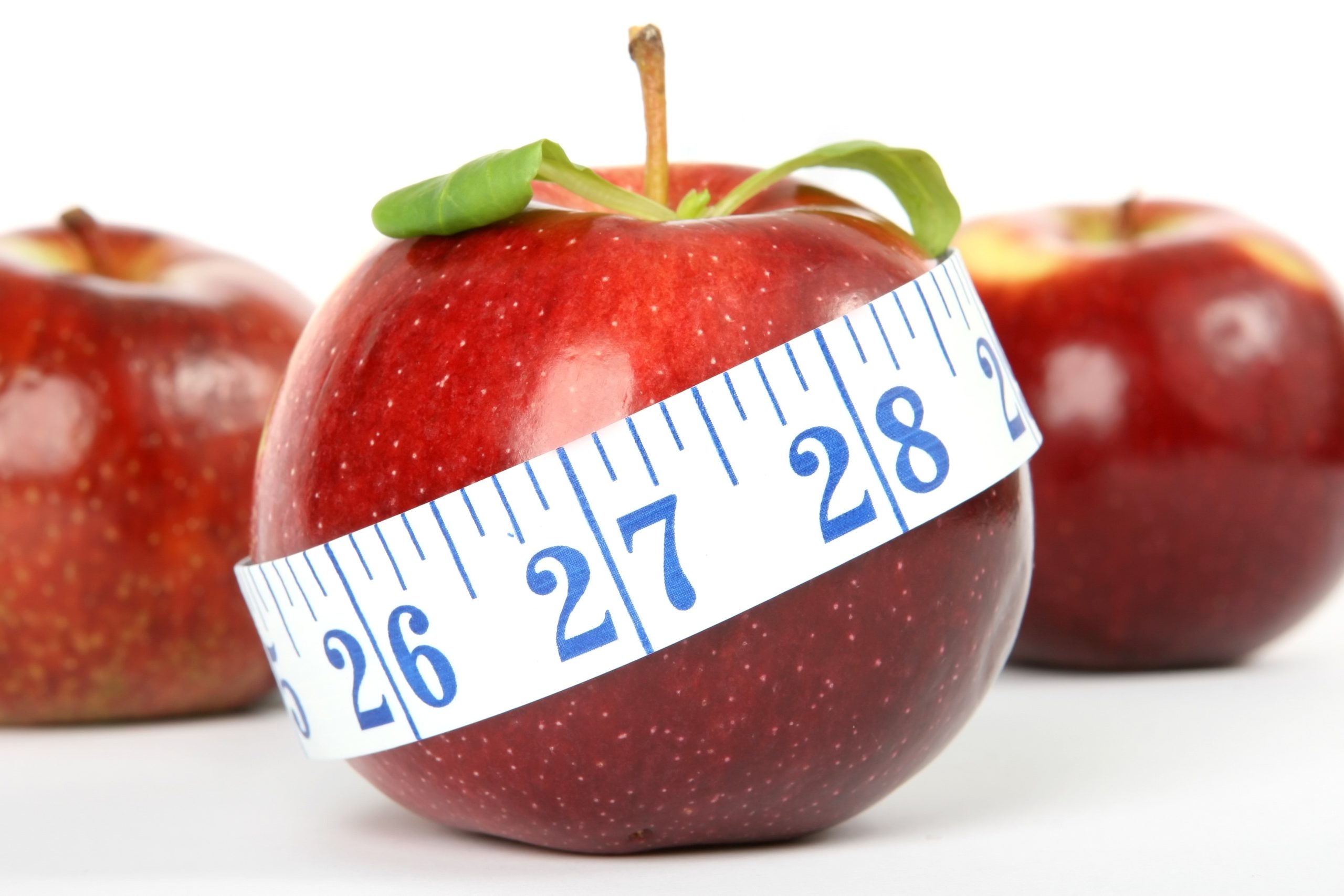
How am I ever going to lose 10, 20, 30 or more pounds? Losing weight is a fairly simple mathematical equation—calories burned minus calories consumed. Calories are a measure of energy. The more energy you use the more calories you need to fuel your body and conversely, the less energy you use the less fuel your body needs to operate. So, in a sense, one could choose Bariatric surgery, wire their jaw shut, or eat only grapefruit and lose weight.

But is losing weight the real goal? Granted if we lose weight we will probably have better health numbers and being overweight or obese is a leading indicator for Prediabetes, Diabetes, Cancer, Heart Disease…. So, in real sense losing weight is important. I would contend that when we say we would like to lose weight or need to lose weight, we are really saying, we need to be healthier. And for the most part if we are skinnier, we would be healthier.

Perhaps we could amend the question by saying, “We need to lose 10lbs, so we will be healthier.” That is a good reason to lose weight. And if you read last week’s newsletter, “To Serve or Be Served” you will remember that Americans and the world are not on a healthy trendline. Which means that the healthier folks are going to have to serve a lot more folks who are unhealthy.

But why is it so hard to lose weight so we can be healthy? I have been wrestling with that question for years. I know that I “bought” into eating the organic version of the Standard American Diet AKA SAD, but it was only minorly better than the nonorganic version of the Standard American Diet. It wasn’t until last October that I finally understood the forces that were at work to prevent me from being healthier. I picked up a copy of the book Brightline Eating by Susan Pierce Thompson. She explained why so many of us struggle with weight loss and how you can win with food.

Is Brightline perfect for everyone? Mostly. I do believe that the information, tools and strategies are helpful and have helped me lose 25 pounds and keep them off through the Holiday Gauntlet of Halloween, Thanksgiving, Christmas, New Years, Valentine’s Day, Easter and numerous birthday celebrations.

Having the science behind why it can be so hard to lose weight and get healthy was invaluable and then having a strategy to eat the right amount of food and the right foods was essential. Without a food plan/strategy it is almost impossible to compete with Grocery Manufacturers of America and their advertising campaigns. The GMA is not concerned about your health, they are concerned about the health of their bottom line.

But we don’t have to play their game, we get to choose. I have a plan for my food and to be as healthy as possible as for as long as possible. My plan looks like vegetables, fruit, legumes, nuts and high-quality proteins—both plant and meat—plus drinking water and getting exercise. This is my strategy to get and remain healthy, and those extra 25lbs I lost were a nice perk!


Thank you,

Tristan Klesick

Farmer, Community Health Advocate

Posted on

To Serve or be Served

cereal on a spoon

“Ask not what your country can do for you, but what you can do for your country.” John Kennedy

“No individual has any right to come into the world and go out of it without leaving behind him/her distinct and legitimate reasons for having passed through it.” George Washington Carver

“We are going to need a whole bunch of healthy people to take care of the young, old and in between for the foreseeable future.” Tristan Klesick

I really don’t belong in this list of quotes, but my heart is heavy. I have this foreboding sense that America and the rest of civilization is heading for a preventable health catastrophe. I know that I am writing this newsletter to a healthier group, AKA Klesick’s customers.

Just last week, I saw a headline that said, “cereal manufacturers are going to sweeten their products to increase sales.” The nexus of Calories and Capitalism is the root cause of much of it, coupled with the low nutritional value and a desire for cheap food–WHAM! Add to that recipe a more sedentary lifestyle (double WHAMMY) and you have the making of a preventable health catastrophe.

Health is a complicated issue and It is hard to simplify the current health crisis. But food would be a logical starting point to reverse this frightening health trend. Can diet have an impact? Can eating less sugar and fat and salt have an impact? Can drinking more water and less coffee, soda, alcohol have an impact? Can eating more vegetables and fruit have an impact? Can just eating less have an impact? The Answer to these rhetorical questions is a resounding YES!

Can we wait for DC to implement a better food policy? Can we wait for the Grocery Manufacturers of America to produce healthier products? Can we expect Lobbyist to not help elect legislator’s that support the status quo? The answer to these rhetorical questions is a resounding NO!

Thankfully, as you also know, just adding one more serving of vegetables and fruit per day will do wonders for most Americans and adding two or three more servings per day would downgrade our national health crisis to a health issue.

When John Kennedy was posing the quote above to America he was not thinking about Health and probably neither was George Washington Carver. But today, continuing to make better food choices is critical for our own personal health and our families health. But I would also contend that remaining as healthy as long as possible will be critical for the foreseeable future, so those that are healthy and have made healthy choices can serve as long as possible.

I want to be one of the ones who is healthy enough to serve for as long as possible!


Tristan Klesick

Farmer, Community Health Advocate


Posted on

Bloom Where You’re Planted

daffodils

This is where I live, this is where I serve, and this is where I have my greatest impact.

Have you ever heard “bloom where you are planted”? That makes great sense if you are a dandelion, or a rose, or a maple tree, or, or, or? Of course, the plant world gets it. They don’t really have a choice. They just bloom where they are planted.

So, unless someone uproots a plant and transplants it somewhere else, it will do the next thing on the to do list—grow and bloom. Oh, to be a plant. ?

But us? We have choices, oh so many choices. Most of us are pretty firmly rooted in our communities and unless something happens, we will wake up the next day and still be pretty firmly rooted in the same community. This means that today and tomorrow we have great opportunities to make the world a better place by just growing and blooming where we live.

Of course, there are different stages of life and things will shift, and if you find yourself transplanted, follow the plants lead. A transplanted plant needs time to reacclimate and reestablish. Often it will take a tree a year or more to regrow roots, which is why I as a farmer prune the top of the tree at the same time I transplant it. So, if you find yourself in a major move (location or life), I would encourage you to prune your schedule and grow some roots in your new community/phase of life and then look for opportunities to serve.

When I transplant annuals like lettuce, those plants will take a few weeks to get growing. That is akin to moving to a new home in the same community or maybe a life event that will take you out of action for a season. It would still be good to take a few weeks or month and prune your schedule to settle in. And, after a time of re-rooting, engage back in with your community/new community.

Solomon in the Bible shares that there is nothing new under the sun. I agree that many of the “new” principles or ideas or innovations are not new, but what is new is that a new person is thinking about how to do something through their own lenses and filters. I sincerely believe that everyone is uniquely created to make the places we live, work, and congregate better places. We all have the ability to leave our communities richer and better today and tomorrow. We just need to be OURSELVES and grow and bloom where we are planted.


Tristan

Farmer, Community Health Advocate

Posted on

Doing Nothing is Not Doing Nothing

Doing nothing couldn’t be farther from the truth. If you are “doing nothing”, that means you are doing something but just consider it not as valuable as doing something. For sure, even when you think you are doing nothing, your mind and body are still doing something. And we can all be thankful for that! If it was up to us to remember to breathe or have our heart beat or make another 225 billion cells every day, there would be a whole lot less of us just doing nothing. (Wink)

I spend a lot of time volunteering in the Salmon/Farm and Food (In)Security arenas. I use the term arena, because a lot of this work is like an arena of old. The decisions that have been and are being made have long term impacts. “Doing Nothing” in these two arenas is still doing something. It is still a choice being made and the outcomes of those choices will have impacts on our environments—the places we play or grow our food or where the wild critters live. Or, if we continue to hand out food freely or choose to subsidize food or decide to implement a “work for food” model, all those choices will have impacts too.

Here is a prime example. The steel workers (150,000) of PA and OH are really excited that President Trump is slapping tariffs on steel and aluminum. The soybean farmers (300,000) are not excited because China might slap tariffs on their products. In this case doing nothing would continue to benefit the soybean farmers and farmers in general, but still depress our steel industry. Choices do have impacts. Ironically, if soybeans have a tariff slapped on them, those farmers will have to sell the food to more Americans. Food prices will then drop (ouch/YAY), but your car prices will go up (as if they could charge anymore for a car)!

Nothing happens in a vacuum and change is hard. Just because a policy is not changed doesn’t mean that everything is better. We are just deciding to do nothing different and choosing to get the same results. That might be fine, but that is not doing nothing.

There are lots of broken systems in America today. They were implemented to solve a need and that need was solved, but at the same time we also created a whole industry around serving that need. It became an entitlement with elected officials, government employees, lawyers, doctors, community activists, universities and private businesses all lining up to keep meeting that need. Pick the need: agricultural subsidies, welfare payments, disability, education subsidies, defense contracts, clean air and water, etc. As one legislator shared with me, “Every program has a constituent.” I would add that every time we support/create a new government program, we also create the opportunity for that program to live on and on and on.

Unfortunately, there is 17 trillion dollars of debt in America demanding that changes happen. I want to be out in front of those changes and be working on local solutions to national problems that exist locally here, and I am investing my time to do so. Because I am farmer, I have a unique platform to affect change in both the farm/salmon and food security arenas.

I hope it is not lost on you that when you buy a box of good for your family or for the food bank, you too are also saying yes to leaving this community a better place for the next generations, a place with livable communities, good jobs, fresh air and clean water. Supporting a local business and local farms is not doing nothing – IT IS DOING SOMETHING!


Together we are making a difference, a local difference.


Thank you,


Tristan Klesick

Your Farmer and Community Health Advocate