Posted on

A Family Farm

Every farm at one time was a family farm. But along the way, farming became more business-like and less farm-like. Don’t get me wrong, farming has a bottom line and to stay in business a farm has to make a profit. What changed though? When did our food become so impersonal? It’s just lettuce, or tomatoes, or?

Just lettuce, for example, takes a year in the making. The lettuce seed farmer has to grow the lettuce plant to produce seeds, clean the seeds, and then package the seeds. Then a lettuce farmer has to buy the seeds, fertilize the fields, and plant the lettuce seeds. Then about 6-10 weeks later that farmer gets to harvest the lettuce and sell it to a thankful customer. But because our farming regions are further and further from urban centers, we are losing touch with the farming industry that is essential for life.

As a farmer I am in awe that food is so readily available and that we have so much local food available. The Puget Sound/Salish Sea area of Western WA has a robust local farm economy. We are blessed with so many smaller farms, surrounded by larger farms – dairies and berries. The whole system is interwoven and supported by tractor dealers, farm suppliers, veterinarians, food processors, etc.

To feed people you need farmers and farmers need land. Thankfully, much of Western Washington farmland is in flood plains—AKA not good places to build houses. These rich alluvial soils that are some of the most productive in the world are right here in our own backyard! This same farmland is a multi-benefit landscape providing many other benefits to our local communities. In addition to local food and food security, local farms store flood water, filter water from the hillsides and cities before it gets to the rivers and estuaries, provide open space and lots of habitat for a host of non-human critters too.

But what makes all these direct and indirect benefits of local farmland possible? A willing consumer and a willing farmer that have developed a mutually beneficial and meaningful relationship. For us, local customers are the reason we are farming. Because of you we grow food—organic, non-polluted food—that nourishes you, your family and indirectly benefits the entire local ecosystem. You might say that having local farmland farmed by local families is a win for you, the farmer and the local eco system.


Growing food for you,

Tristan Klesick

Your Farmer and Community Health Activist
Posted on

“Don’t Plow More Than You Can Disc in a Day”

Don’t you enjoy fun facts or sayings? “Don’t plow more than you can disc in a day” is akin to “Don’t bite off more than you can chew”. These two sayings are getting at a similar thought but were born out in real world examples. Most of us can relate to having taken on too much and the feeling of being unable to complete the task well.

I have a friend who can hardly ever say “No” to anything. I might be more like that friend than I care to admit. I have to work hard to say “No”. There are just so many good things to do. But I did realize the other day that I am able to say, “NO”. I say it all the time, but instead, I just keep saying, “YES, NO PROBLEM!” I am guilty of biting off a little bit more than I can chew. Can any of you relate????

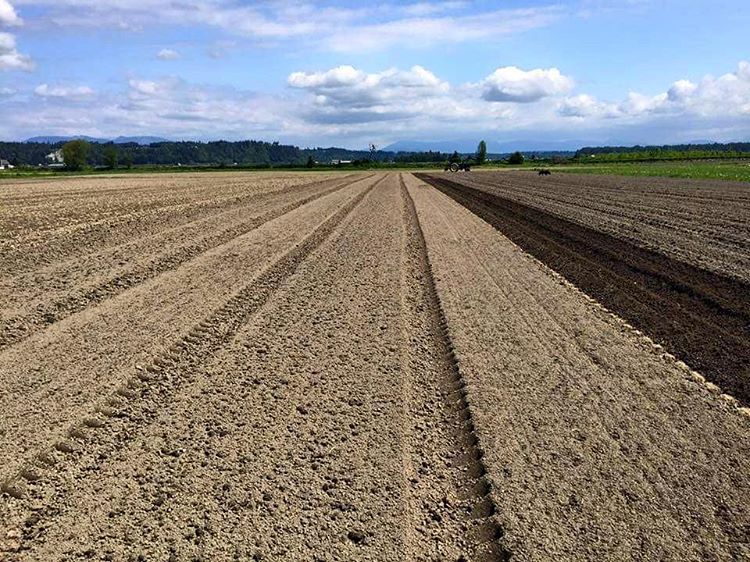
The other phrase is from my days farming with Belgian Draft horses. When you plow and turn over the soil, the soil that is lifted from the bottom to the top is “soft” or “mellow”. So much so that if you immediately work it with a disc, it will turn into a manageable seedbed. The converse is true as well and I have experienced it many a time. If you plow the soil and don’t get back to discing it for a day or two, your work load increases immensely. You often can’t get that nice seedbed! As soon as the inverted soil “sets”, it tends to bind together. The best thing is only plow what you can disc in a day. It was wise 200 years ago. It is wise now.

This time of year especially feels full! I am thankful for increasing day length and a really nice break in the weather. John (Mike’s son) and I plus a few Klesick kiddos have been tackling the Spring farming season. We have been planning and preparing for this season. And like most Springs, it rarely goes as planned. Yet without some planning, the season would be lost before it started.

We have been planting lettuce every week into transplant trays. About 1000 plants every week get seeded. We purposely started a few weeks later this year anticipating a wetter spring, but I don’t know any farmers who anticipated an end of April start??? As you can imagine those greenhouse plants kept a growing. Last week, the farm crew planted the 3/7 and 3/15 and 3/22 plants all at the same time in the field. So much for planning. But if we hadn’t planned to “start”, we wouldn’t have had any lettuce or peas ready to go and would be unable to take advantage of the weather.

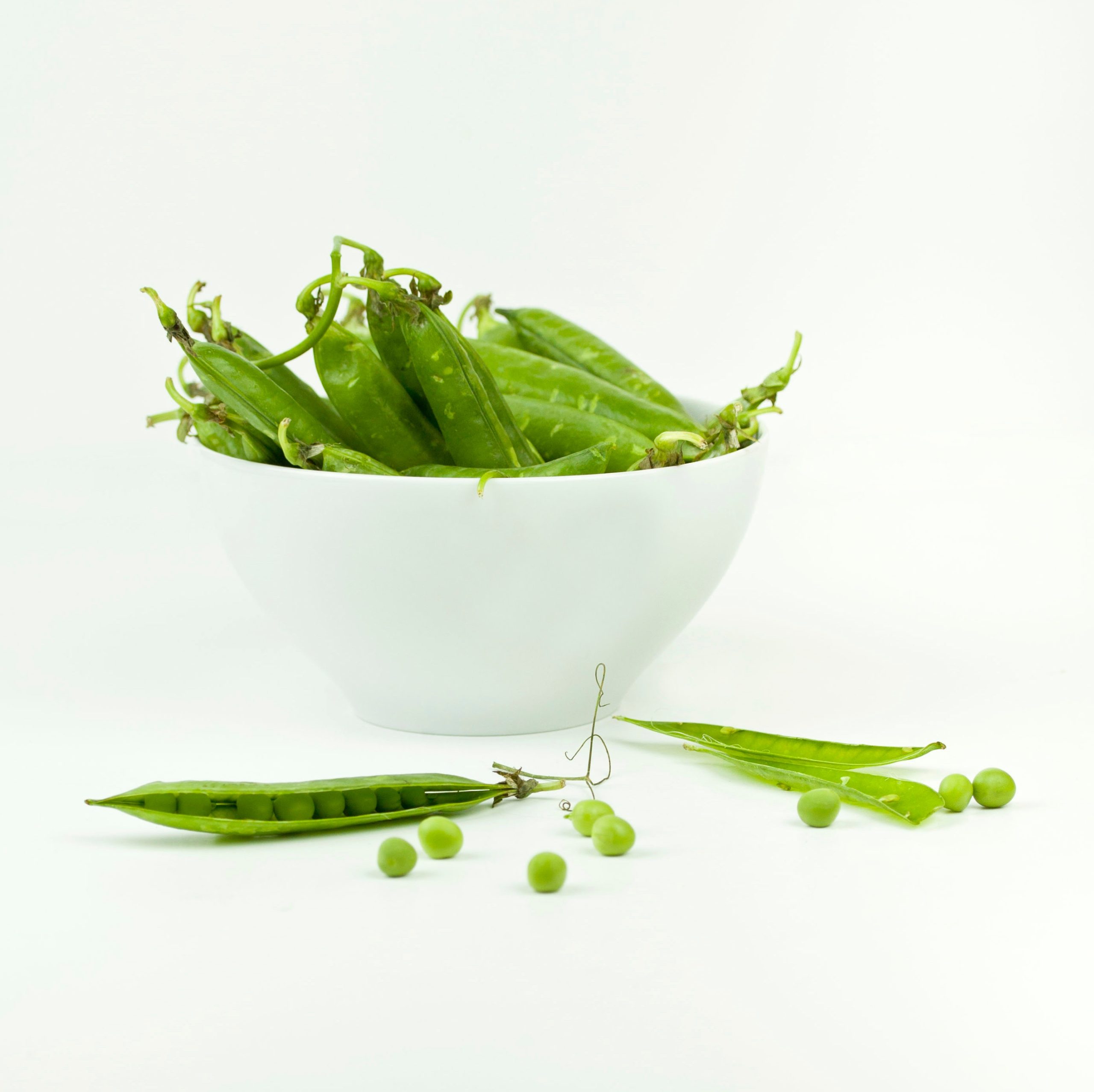
Because we had a plan, it allowed us to take a few minutes and think through some last minute changes. We decided to plant the Sugar Snap Peas in a different location and to plant the green beans earlier than normal. FYI, peas we plant once and beans we plant several times during the summer. We also cut back on the peas this year because the later Spring will push pea harvest into the raspberry and blackberry harvest. Crazy, but when you are working in a living system, flexibility and nimbleness are assets to be coveted.

I think we are well on our way to a good start to the local season. Let the planting continue and the weeding be nonexistent (just hoping)!


Tristan

Your Farmer and Community Health Advocate

Posted on

How Can I and Why Can’t I?

How am I ever going to lose 10, 20, 30 or more pounds? Losing weight is a fairly simple mathematical equation—calories burned minus calories consumed. Calories are a measure of energy. The more energy you use the more calories you need to fuel your body and conversely, the less energy you use the less fuel your body needs to operate. So, in a sense, one could choose Bariatric surgery, wire their jaw shut, or eat only grapefruit and lose weight.

But is losing weight the real goal? Granted if we lose weight we will probably have better health numbers and being overweight or obese is a leading indicator for Prediabetes, Diabetes, Cancer, Heart Disease…. So, in real sense losing weight is important. I would contend that when we say we would like to lose weight or need to lose weight, we are really saying, we need to be healthier. And for the most part if we are skinnier, we would be healthier.

Perhaps we could amend the question by saying, “We need to lose 10lbs, so we will be healthier.” That is a good reason to lose weight. And if you read last week’s newsletter, “To Serve or Be Served” you will remember that Americans and the world are not on a healthy trendline. Which means that the healthier folks are going to have to serve a lot more folks who are unhealthy.

But why is it so hard to lose weight so we can be healthy? I have been wrestling with that question for years. I know that I “bought” into eating the organic version of the Standard American Diet AKA SAD, but it was only minorly better than the nonorganic version of the Standard American Diet. It wasn’t until last October that I finally understood the forces that were at work to prevent me from being healthier. I picked up a copy of the book Brightline Eating by Susan Pierce Thompson. She explained why so many of us struggle with weight loss and how you can win with food.

Is Brightline perfect for everyone? Mostly. I do believe that the information, tools and strategies are helpful and have helped me lose 25 pounds and keep them off through the Holiday Gauntlet of Halloween, Thanksgiving, Christmas, New Years, Valentine’s Day, Easter and numerous birthday celebrations.

Having the science behind why it can be so hard to lose weight and get healthy was invaluable and then having a strategy to eat the right amount of food and the right foods was essential. Without a food plan/strategy it is almost impossible to compete with Grocery Manufacturers of America and their advertising campaigns. The GMA is not concerned about your health, they are concerned about the health of their bottom line.

But we don’t have to play their game, we get to choose. I have a plan for my food and to be as healthy as possible as for as long as possible. My plan looks like vegetables, fruit, legumes, nuts and high-quality proteins—both plant and meat—plus drinking water and getting exercise. This is my strategy to get and remain healthy, and those extra 25lbs I lost were a nice perk!


Thank you,

Tristan Klesick

Farmer, Community Health Advocate

Posted on

Spring Is Here

Does anyone else have a little extra spring in their step? I know I do. The sunshine draws you outside and the increasing day length, WOW, what a gift that is! Every year many of the PNW folks wander around in a mental fog from November to February – and farmers are no different.

It always amazes me that I will be busy all winter and then as soon as the days start to lengthen and the weather starts to warm, “BAM!” It is as if I was Rip Vanwinkle. I get a deep breath, start to notice how the ground is drying out, the spring birds are making an appearance, the ladybugs and other insects that call this place home are flittering about. The whole farm awakens from its winter rest! Now it is time to farm, for the local season to begin.

On our local farm we are still a few weeks away from actively farming the soil. It is ironic, that I consider driving my tractor and getting the seed beds ready for planting as active farming?!?!?!

Haven’t I been farming all winter? I have planned our planting rotations and ordered seeds and moved and repaired the greenhouse (thank you wind and snow). I have purchased different equipment, sold other equipment and done maintenance on said equipment. Our family is seeding 800 lettuce transplants every week. We also have been pruning and have just landed 4 dump truck loads of compost.

Sounds like we have been actively farming all winter, but…. There is something about “turning” the soil for a vegetable farmer that signals it is time to farm. Working with nature, discerning when it is dry enough to help the soil get ready to grow food, to feed (fertilize) the soil so the soil will feed the plants, so the plants can grow.

My job as a farmer is to help the soil, enhance the soil and work with the soil. The soil’s job and its host of helpers (bacteria, fungi, earthworms, etc.) is to feed the plants. That is why I just landed 4 dump truck loads of compost to help feed the soil, so the soil can grow the plants as healthy as possible, so the farmer can harvest the healthiest plants and deliver them to you, so you can eat the healthiest plants.

This is why I farm -the eater, the farmer and the soil working together in a mutually beneficial and respectful partnership.


Cheers to your health,


Tristan


Posted on

The Earth Does Matter

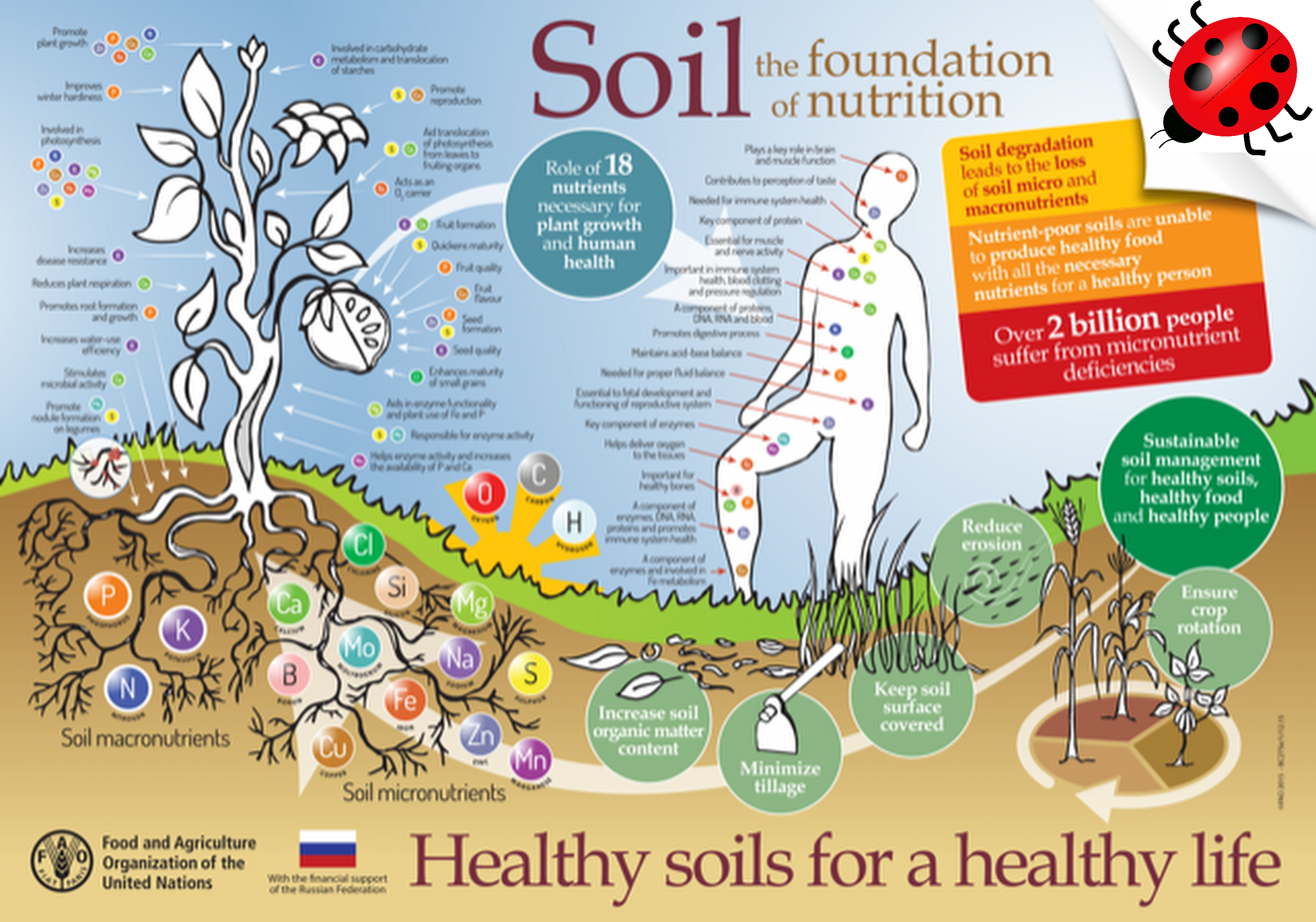
Suelo in Spanish, Sol in French, Suolo in Italian, Aferi in Ethiopia, Boden in German, Soil in English. Every country has it and everyone needs to care about it. The top 6 inches of the earth’s crust is where we get most of our nutrients to live. It is also the home to millions of microscopic bacteria and fungi and also the home to a host of insects, insect eaters, eaters of insect eaters, plant eaters and eaters of plant eaters. Everything starts with the soil, suelo, sol, suolo, aferi or boden. We have to protect it, nurture it, and feed it. Basically, we have to respect it.

For the last 20 years, Klesick Farms has done just that. We have never used synthetic chemicals on our fields and only supported farms that had the same passion. My friend Dave Hedlin tells a story that his mom would always share when anyone used the word “dirt” when referring to the soil.

“My mom worked with a soil scientist at Oregon State University in the 1940’s, and whenever one of his students would refer to the soil as dirt, he would correct them and say, ‘Dirt is what you sweep off the kitchen floor; soil is what you grow food in.’” Dave is full of wisdom like that and obviously, his mom was too. It comes down to respect. If we respect the soil, we are in a very real sense saying that we understand how interconnected life is—not only for us today, but for those who came before us and those still to come.

Organic farming is at its core a statement of RESPECT. Organic farming stands against a tide of easy, cheap and government subsidized food production that disrespects the soil and our health. Sure, it is easier to kill every good and bad pest, bacteria and fungi, and treat the soil like a sterile medium, but that is so short sighted. Nature always makes a comeback, but with more ferocity and determination. And our response to this natural correction by nature? Stronger chemicals and more toxic chemistry! For the most part since WWII, we have turned our attention to killing Nature to grow food. Why?!

That is a good question for another newsletter, but essentially, we don’t believe that health starts with the SOIL! Without soil, every culture has diminished or died out. We have this gift, a life changing, life sustaining gift—the Soil. The Soil is foundational to health. Change your food, change your life. It works both ways. Live on processed foods and that will change your life. Live on Organic produce, legumes, grains, nuts, proteins (and in that order) and that will change your life.

The health of the soil and our health is inextricably interconnected. Separate the two and you have what America has today—a health crisis. I am passionate about your health and my soil’s health. What we eat does matter! Organic is better for you and for the soil. And thankfully, we still get to pick what food system we support. Thank you for choosing the organic food system.


Tristan Klesick

Health Advocate, Farmer, and Small Business Owner for the last 20 years


Posted on

#LoveLocal

I love that title #lovelocal! It resonates deeply with who Klesick’s is and why we do what we do. We are passionate about healthy communities and that starts with a healthy family—one delivery, one meal, one bite at a time. And going deeper, for our communities to be healthy we need local farmers and purveyors of healthy food, and we need our local natural resources to be as healthy as possible: healthy farmlands, rivers, estuaries, mountains, valleys and clean air. The whole package needs to be healthy to have healthy communities. 

As a local business owner and local farmer, I am blessed to be able to work on the entire healthy community spectrum. When I am not writing a newsletter or planning your menus, you might find me at my farm. It is pruning and planning season. Or you might find me at a salmon/agricultural meeting trying to strike a balance for food and habitat. Or you might find me working to get more organic food into the local food banks and kitchens that serve the “hungry”.  

We are just a small company, a dozen employees, but we can be a part of the solution to help families get real nutrition through the food bank system. I need your help to take a bigger bite out of hunger. 

  1. Just being a Klesick’s customer helps provide the infrastructure to serve local food banks. How? 
  2. Because we have customers, we have food and we generate #2 quality produce that we sort and save for food banks.
  3. And since we are a delivery company too, we can deliver this food to local food banks. 
  4. This week we are adding our first school backpack outreach program. Super excited! As a part of the Providence Live Healthy 2020 campaign I was able to connect with the Edmonds School District’s Nourishing Network. Currently they are serving 145+ students in 23 schools weekly and they would like to receive organic produce for these students.  
  5. We also offer our Neighbor Helping Neighbor program as an additional item you can purchase. You can actually purchase #1 quality produce, the same quality we send you, to send to a local food bank at a discounted price. You can even specify which food bank.  
  6. Here is our current list: Anacortes, ArlingtonCamano IslandEverett & Everett Recovery Café, Marysville, Monroe, Mountlake Terrace, Oak Harbor, Snohomish, and Stanwood. We deliver to 10!  
  7. These 10Food banks are open for serving the less fortunate at the time we deliver to these communities. 

If you would like to join Klesick’s on taking a bigger bite out of hunger at the local level, you can purchase a Neighbor Helping Neighbor box at the discounted price of $28 by clicking on any of the hyperlinked communities mentioned above. You can order a weekly, or every other week or monthly Neighbor Helping Neighbor box and we will do the rest. And to top it off, for every Neighbor Helping Neighbor box you purchase, we will send you a yearend tax donation receipt. 

This year we are celebrating 20 years of farming and delivering good food—more to come on that. In the last 20 years with your help, Klesick’s has delivered over 11,000 boxes of good food to local food banks! That is amazing and humbling all at the same time. Klesick’s (you and us) have made a difference in the lives of local families—one family, one delivery, one bite at a time. The need is still great. Please consider adding a Neighbor Helping Neighbor Box and help take a bite out of local hunger. 


Thank you,  

Health advocate and farmer, 

Tristan 

Posted on

Willpower, continued…

Last week we delved into willpower as more akin to a depletable resource versus the notion that it was more like a muscle that could be strengthened. I think willpower is fascinating to study and learn about.  You could spend hours reading all the research, and I have, but mostly I am looking for how it applies to my daily decision making.

If it is more like a depletable resource and we only have about 15-minutes’ worth of willpower at any given moment, that means I will need to find a different strategy than relying on willpower to make lifestyle changes. And that strategy is called a plan that we default to when temptation is creeping in. We do have some willpower we can muster against wrong foods, thoughts, or our busy schedules, but for most folks, willpower has been pretty wiped out just getting the kids or yourself out the door.

We also talked about that since we only have limited willpower, it might make more sense to make one lifestyle change and focus on that. If you want to incorporate more veggies and fruits and less packaged foods or convenience meals, that would be a change that could require a lot of energy. Adding going to bed earlier, drinking more water, and going to the gym 3x per week could be a recipe for failure.

All of those areas are important to living happy healthy lives. But if you are not accustomed to doing any of them and they will all be a lifestyle change or a new habit, chances are you will not be able to get traction on any of those goals long term. This is primarily because now you are tackling 3, 4, 5 new habits.  And with a limited amount of willpower to draw upon and considering that you are also using willpower for ordinary decision-making tasks, it might be wiser and more successful to concentrate on winning with one lifestyle change.

Which one is up to you and depends on what area of your life you want to change because if you don’t want to change the area, it won’t matter. Wanting to make a change is necessary to make a change. Something like 180 million Americans are going try and lose weight this year, multiple times. If this is where you find yourself, focus on losing weight through eating more fruits, vegetables, proteins, good carbs, fats and only focus on changing your diet. The more changes you add, the more plans you will have to develop, follow and implement to be successful. Once you are winning with food and it becomes more of a permanent lifestyle change—add in another.

This could be reversed and you could commit to getting stronger by going to the gym. Once that habit is in place tackle another change. It is just really hard to make multiple lifestyle changes at the same time. I encourage you to pick one goal and get after it. Develop a plan and add some accountability and attack the new habit until the old habit surrenders. Then put the next lifestyle change on notice that you are coming after it next!


Your Health Advocate and Farmer,

Tristan Klesick

Posted on

Bitters for Better Health

Over the next year we are going to be rolling out some new flavors in the Boxes of Good – Bitters! Bitters are a class of vegetables that are nutritional powerhouses. Though fairly common, they rarely show up in the American diet. But now, many of us will get to experience wonderful flavors that fuel our bodies with more vitamins and minerals.

As I have migrated away from sugars (organic or otherwise) I have noticed that my taste buds are drawn to kales, mustards, arugulas, chicories, etc. I am not sure why that is happening, but I do believe that sugar co-opts the brain and creates an overly dependent desire for more sugar. Having lessened sugar’s grip on my taste buds probably has freed my taste buds to enjoy more varied flavors and bitters are definitely on the menu.

This week we are featuring Treviso Radicchio (pronounced Raw-Deke-ee-O), a part of the Chicory family. The Treviso was grown by our friends at Ralph’s Greenhouse in Mt. Vernon.

This dark red leafy “green” is chocked full of vitamins A, C and K, and minerals like calcium, potassium and magnesium. Filled with folate and fiber, and low in fat and sodium, these greens are a must for a healthy diet and a healthy digestive system.

Eating bitter food activates taste buds that simultaneously stimulate enzyme production and bile flow, which promotes digestion. The better your food is digested, the more nutrients you’ll absorb from your food. It doesn’t matter what you eat, if you can’t absorb it, it won’t be of much benefit to you. The high fiber content in bitter greens also helps to eliminate waste through the digestive tract.

What’s more, bitter greens also promote natural detoxification of the liver, which regulates cholesterol, balances hormones, detoxifies the blood, and metabolizes fats (Excerpted and slightly modified from MindBodyGreen). I believe that food is the problem causing our health crisis in America and that food is also the solution to our health crisis in America. The choice is ours, but the overwhelming amount of sugar and processed foods in our grocery stores and restaurants makes eating healthy a real challenge.

At Klesick’s we exist as an alternative to the industrial processed food system. With your help we have stood together as a beacon for good food and common sense for the last 20 years, delivering only organic fruits and vegetables – one family, one delivery, one meal and one bite at a time. And I am in for another 20!


Farmer and Health Advocate,

Tristan

Posted on

Food is Culture

Does our food define us? Does it define us as a family, a community, a state, a nation? Can we define our culture by the food we eat? If we could, what would that tell us? These are not easy questions to answer. And, what kind of answers would we give to these questions? Types of food? How we prepare the food? How often we eat? By our health numbers like blood pressure, insulin spikes, or cholesterol? Or, by cancer, obesity, or mental health?

In many ways Americans have access to the healthiest food systems anywhere. For one, because we have a lot of resources. For another, because of the many different ethnic influences that have shaped this nation. Oh, the choices. Every ethnic group has brought a part of their culture and food with them and today, because of our global economies, we have access to it. And, I believe, our taste palette likes the new flavors and our mind is excited to try new things.

Of course, if we are what we eat, then our health will also inform us as to what we believe about food. Everyone I know believes that we should be eating more fruits and vegetables. Everyone I know also knows, and correctly, that a whole host of today’s maladies are attributed to “lifestyle” choices–not drinking enough water, eating too much sugar, eating bad carbs, not eating fruit and vegetables, or not getting enough sleep.

Sadly, the American mentality towards food and health is, “I can have my cake and eat it, too.” And we believe this about foods we “know” are not good for us. But, because our bodies are so resilient, we borrow against the future. Our future health bill as a nation is coming due and for some, it is already personally coming due.

For us as a nation, a community and as individuals, this trend can change and has to change, but it will only do so one bite at a time. One determined bite at a time that sends a message to the institutional food system, “You can’t have my money or my health!”

As a local farmer and business owner, I want my contribution to the local food culture to be life giving and life changing. It makes my life work more meaningful knowing that I am working with nature to grow food for local people who are defined by not “only” what they eat, but by where they choose to source their food.

Together we are building a healthy food micro-culture.


Cheers,


Tristan Klesick

Farmer/Health Advocate


Posted on

Thanksgiving

It’s that time of year when we are supposed to pause and be thankful, reflect, enjoy family and friends, and good food. For those of us who live in northern regions of the world, enjoying this season is a little easier because the weather and the day length lend themselves more to a warm fire and a good book. Even though my morning start time of 5am doesn’t change much with the season, I am getting more sleep, thanks in part to the shorter daylight hours and getting to bed earlier.

Anyone else out there, ever say, “Sleep is overrated!”? Definitely not teenagers! I will confess that I have at least thought that a time or two, but now that I am north of the half century mark, sleep is important and building that discipline going forward is new goal -trying to be asleep by 10pm, wish me luck! 

Habits are so hard to break and bad habits are the hardest. Over time, those bad habits are more like addictions than habits.  Eating is one of those categories that can be a sore spot for many of us. So much food and so many choices, and our will power to eat well and avoid processed or sugary foods can derail in spite of the best of intentions. 

This week is one of those food “traps” that will be foisted upon Americans. Yep, Thanksgiving, a time to be thankful will be greeted with a barrage of pies, ice cream, jello, lots of gravy and, and, and. Just the sheer amount of food will be immense and the selection on most tables will be enough to feed a family for a week.  Most of us are not going to be in control of how much food gets set on the table, but we can control how much food gets put on our plates.

Tristan’s plan to eat a successful Thanksgiving Meal:

To be a successful eater at the Thanksgiving table, I would encourage a few Non-Negotiables. 

Choose to eat better so you will feel better and not bloated or stuffed. It is a choice.

Limit snacking and choose the fruit and veggie snacks.

Plan to eat at the main meal, whether that is lunch or dinner for your family, but be reasonable with your portions. 

Just one plate, not one plate at a time, not heaping (wink, wink). Just one plate, it will be enough food. 🙂

Remember, dessert will be coming, so pick none or just one. I know this is a hard one, because there will be lots of selection and a sampling will be tough to turn down.

These simple non-negotiables or guidelines will help anyone enjoy family, friends and the Thanksgiving meal with energy and enthusiasm. Imagine feeling full and thankful this Thanksgiving. That’s my goal!


Enjoy!


Tristan

Farmer/Health Advocate

Posted on

2017 Thanksgiving Holiday Delivery Schedule

2017 Thanksgiving Holiday Delivery Schedule


Our office will be closed November 23-25 in observance of the Thanksgiving holiday. Because of this closure, our deliveries for that week are scheduled as follows:


For delivery Monday

Mill Creek, Silver Firs, Everett, Snohomish, Mukilteo, Lynnwood, Woodinville

For delivery Tuesday

Oak Harbor, Anacortes, Lake Stevens, Monroe, Mt. Lk. Terrace

For delivery Wednesday

Camano, Marysville, Stanwood, Seven Lakes, Arlington, Burlington, Mt. Vernon, Sedro Woolley


Please remember to let us know if you will need to skip your delivery that week!

Posted on

Thanksgiving

It is here, and we are here to make your Thanksgiving simpler and less stressful. For the last 20 years we have been helping families enjoy the holiday more by trusting us to source their organically grown produce and through meal planning, allowing people to skip the hectic store shopping. There are two specific events in which our home delivery really saves you time and measurably lowers your stress level: 1) during Thanksgiving week and 2) just before a predicted snow storm! Well, we got the snow storms out of our system and now it is time to brace for the masses who will be heading to the grocery stores.  

Years ago, before I was a farmer, I worked in retail produce, both small boutique and large produce departments. I could almost predict the weather based on shopping patterns—for Thanksgiving, hang onto your hats, that was a wild ride trying to keep the shelves full. If I was lucky enough, I wouldn’t have to work the register and those never-ending lines.  I much prefer the life of a farmer and delivering fresh fruits and vegetables, especially during Thanksgiving. 

Our network of local producers and suppliers allows us to get you the freshest ingredients all year and Thanksgiving is no different except we will be squeezing 5 delivery days into 3 days. Yes, it is a little crazy for us, but not for you. Sit back, place your order, and we will do the rest. 

Food Banks

Every week of the year, Klesick’s, with your help, donates 20 boxes of good to area food banks which is in addition to the “end of the week” produce that is still useable but not up to our quality standards.

 We also have an opportunity to partner with local food banks for Thanksgiving. The Holidays are especially difficult for families in need. We partner with local food banks because:

1. We believe that access to good organic produce is not a privilege, but a basic right.

 2. We believe that local problems are best solved at the local level. 

3.  We have the relationships, the network and distribution system to make a difference in solving hunger at the local level.

Please consider partnering with us this Thanksgiving by purchasing one (or more) Holiday Donation boxes and we will do the rest. We will send you a tax receipt in January for your donations that you can deduct from your taxes.

 We are stronger together,


Tristan

Farmer/Health Advocate


Shop the Holiday Box here: 


Posted on

Eat Better and You Will Feel Better

Anybody else ready to move on from the Sugar Manufacturer’s lovefest, AKA Halloween, and start focusing on eating better? I for one am no fan of what the Sugar Manufacturers are doing to America’s population. Let’s be honest, no one really considers Halloween to be a healthy event.

Thankfully, we don’t have to eat that way. We might choose to eat that way, but nobody is forcing us. It is by choice. One of my goals for the next 2 months of holidays is to create some non-negotiable rules.

I am choosing natural sugars and mostly whole fruit. You won’t find real honey or maple syrup in a candy bar. That nonnegotiable alone will limit the majority of your sugars. I am mostly not eating processed foods that have sugar in them.

Eating 3 meals a day is my next non-negotiable and only filling my plate once (important especially on Thanksgiving). I am going to fill my plate with organic vegetables, salad items, and meats. I am not going to be snacking, but will let my digestive system rest between meals.

And lastly, I am going to (loosely) preplan my meals for the next day. I am going to have a plan for my food based on what is in my refrigerator and the pantry. Nothing derails eating well more than letting the moment dictate your meal options. Ever try to find something healthy to eat at a convenience store???

Healthy eating made simple is my goal, and given what seems to be the normal hectic unsustainable pace of life, having a few non-negotiables will help. It certainly helps that I usually have more energy, feel better and my blood pressure stays in the normal range when I follow these “non-negotiables”–and these are just a few of the “incidental” blessings from eating well.

Next Week 

Next week we will be gearing up for the Thanksgiving holiday and publishing our menu for the Thanksgiving Holiday Box. It will have all the ingredients for a great meal and you will be able to order a box, shop for individual items or a combination of both.

And, as you already experience every week, we will hand select the freshest ingredients (many from local farms) and save you the hassle of shopping at the store, especially during a holiday week. Doesn’t that sound nice? No parking hassles, no long lines and no time spent looking through the already picked over produce.

The Klesick Farm team is excited to be your partner in good health by delivering high quality produce at fair prices and saving you precious time that you can use for whatever you want!


Tristan Klesick

Farmer/Health Advocate


Posted on

From Wet Dust to Wet Flooding

In August of 2003, Joelle and I purchased our current farm. That seems like a lifetime ago! The 1892 old farmhouse was in pretty bad shape and the bank wouldn’t let us move into until we remodeled it. Having sold our home in Machias, we were stuck in that awkward state of nowhere to live. In hindsight, the bank was right. The old farm had “good bones”, but was in serious disrepair.

It was hard, but rewarding. We were finally on our own farm and everyone was pitching in, both family and friends. So much work but we found amazing treasures too. Treasures that you would never find unless you rolled up your sleeves and got to work! There was so much lathe and plaster and wall paper and more wall paper. The whole place needed to be rewired and replumbed and insulated. I remember when we were started to “attack” the lowered ceiling that was made up of acoustic tiles. As soon as we pulled out those tiles, everything stopped. We were in awe. Untouched and as beautiful as the day they were first installed 10’ up in the air was a 20’ long cedar 1” x 4” tongue and grooved bead board.

We were stuck. We knew it had to come down in order for us to do the wiring and plumbing, but we also knew that you just can’t buy that stuff anymore. I remember the moment like it was yesterday. We just stopped working in that room for a whole month! There was no way to patch it up and do all the upgrades. It had to come down, but yet it was a part of this home, its history, its craftsmanship. Eventually a plan came together. We removed the ceiling and broke boards, but we were able to save lots of good useable pieces. We repainted that beautiful rich dark green cedar bead board the same color and used it as wainscoting.

Why all this reminiscing? Well, October of 2003 was also the first year we were introduced to the Stillaguamish River and from that day on, we understood who the valley really belongs to. And this week we have our first flood watch for the season. Hopefully a nonevent, but in 2003 it was supposed to be a nonevent too but turned out to be the largest flood on record. Thankfully, technology has gotten better, and the forecasts tend to be more accurate, but that first flood, oh my! 

This month we have also been talking about Cancer and asking people to share their stories. In some ways our old farmhouse and the valley we live in serves as reminder of how precious and how fragile life is. That old farmhouse was in need of some love and care and it couldn’t do it on its own. People battling Cancer or any major disease also need love and care. They need a team filled with hope to “carry” them at times and help them win this very real fight.

At Klesick Farms we are privileged to be a part of your team. We believe in you and we want you to be healed. If you would like to share your story or the story of someone you know battling cancer, please click the link and submit a prayer request. It can be anonymous or not. We pray on Thursdays for the prayer requests we receive.


Your Health Advocate and Farmer,


Tristan

Posted on

The Path Less Travelled

I read an interesting article about Agriculture in Holland last week. The gist of it was how a little country like Holland can be the #2 exporter of food in the world. A country 1/270th the size of America. You can find the article here. 

It was a refreshing article. Also, all their food is NON-GMO! (Which is unlike a lot of the United States’ export crops.) Holland became an Agricultural power house because of vision and a desire to have food security. Their goal was to produce twice as much food on half the inputs (fertilizers, water, herbicides, etc.)

They did it! Unlike American agriculture’s goal to export more GMO’s. The American food system is broken. To prove my point, in 2012 ZERO states had average obesity rates above 35%. In 2016 there were 5 states above 35%. Also interesting is that in 2012, 10 states were below the 25% average, but now only 4 states remain below the 25% threshold.

Several factors account for the obesity numbers, but I would contend that we are not going to shed those pounds just by hitting the gyms. We need a food revolution to take back our health. We need a different goal.

Thankfully, American agriculture and its food manufacturing partners can’t tell us what to eat. That is on us. We still have choices. I will concede that the processed food manufacturers are experts at marketing and lobbying. Sadly, even the healthy options merely replace one form of sugar for another, which only improves the food in minor ways. This is because many of those same companies are owned by the General Mills or Pepsi’s of the world. And they expect us to believe that their company missions are to provide healthy sustainable products that improve your health. (sarcasm intended) Anybody out there switch to the “Organic” version of the American diet and basically see no appreciable results?

Merely switching to the Organic American diet will have little or no impact on our personal health or our Nation’s health. If we are going to see lasting meaningful health benefits from the food we eat, we need to switch: 1. how we eat and 2. what we eat. Saying yes to fresh vegetables, fresh fruits and quality proteins and grains is a great start.

Wouldn’t it be wonderful if Congress set an “Every American Healthy” Goal for our Country to reduce the National Obesity rate by 5% by year 2023? The by-products of this goal alone would save millions of dollars in health costs and improve the quality of life for millions of Americans. It would shift our food system from profits to health and from sugar and grains to vegetables and fruits and quality proteins. The environmental gains would be great because of the non-GMO and Organic farming practices implemented to produce better foods. A simple goal, but alas, it will never see the light of day because of the way our political campaigns are financed. But, as I mentioned earlier, they can’t tell us what to eat. And in the words of the poet Robert Frost, “I chose the path less travelled.” We can choose the path with little or no sugar, a path filled with hope and a better quality of life. And thankfully, we can make that choice every day. Every time you get a “Box of Good” delivered, you are on the path less travelled.


Eat heathy, Be healthy,


Tristan Klesick

Health Advocate and Farmer


Posted on

Bald and Beautiful

The other day I was at a middle school soccer game and one of the players had obviously been through cancer treatment recently. She was thin as a rail and bald, but she was out there and she was competing–with not an ounce of backing down. She was a fighter – a cancer fighter. I could tell that our team was unsure how to play/engage that young lady on the field. I told my daughter that if she is on the field, she wants to play and, her parents, her doctors and coaches have given her the green light. Admire her for getting out on the field and show her respect by letting her compete, but now is not the time for charity or kid gloves.

Some of you might be thinking, “Hang on. She has had a huge battle with cancer and, and, and, ….” My daughter got to guard her a fair amount during that game. After a few minutes into the game, it was plain to see that this beautiful, bald cancer fighter wanted to play and didn’t want to be treated any differently than any other player.

Cancer fighters are tough people, but you know who else are tough people? The families, her friends, the care givers, the doctors and nurses. Cancer wreaks havoc on families and it takes a coordinated team effort to support the cancer fighter.

As a farmer, it brings me no greater joy than to come alongside a cancer fighter to grow and deliver to them organically grown fruits and vegetables. If you are battling Cancer, please let us know. We would consider it an honor to pray for you and put a Health Discount on your account. I also want to say that everyone on the Klesick team believes in you, believes that you are precious in the sight of God and that you are fearfully and wonderfully made to do good things both today and in the future. Keep fighting.

Here is the Klesick Farms Cancer Fighting Plan:

1. We believe in prayer. If you would like us to pray specifically for you or someone you know who is fighting Cancer (or anything else) email [email protected]. He organizes our prayer time and customer interactions. All of us care, but Mike is gifted when it comes to caring. Or, you can use this link to submit a prayer request or share your story.

2. Everything we sell is a part of the solution. We don’t carry GMO products and 95% of what we provide is fruits and vegetables. Some customers have joined together to fund a Cancer Fighter’s account, so that they don’t have to shop or think about it. Home delivery is great way to come along side and add tangible help. Call us to set up an account for a friend, co-worker or family member. 360-652-4663

3. Lastly, we have a discount program for families fighting cancer or heart disease. If you are in the fight of your life, let us know so we can add the health discount to your account. If you would like to donate towards this, we will make sure your donation gets applied to a family fighting Cancer. We are here to help and be a part of the solution.


Tristan

Farmer/Health Advocate

Posted on

Cukes and More Cukes

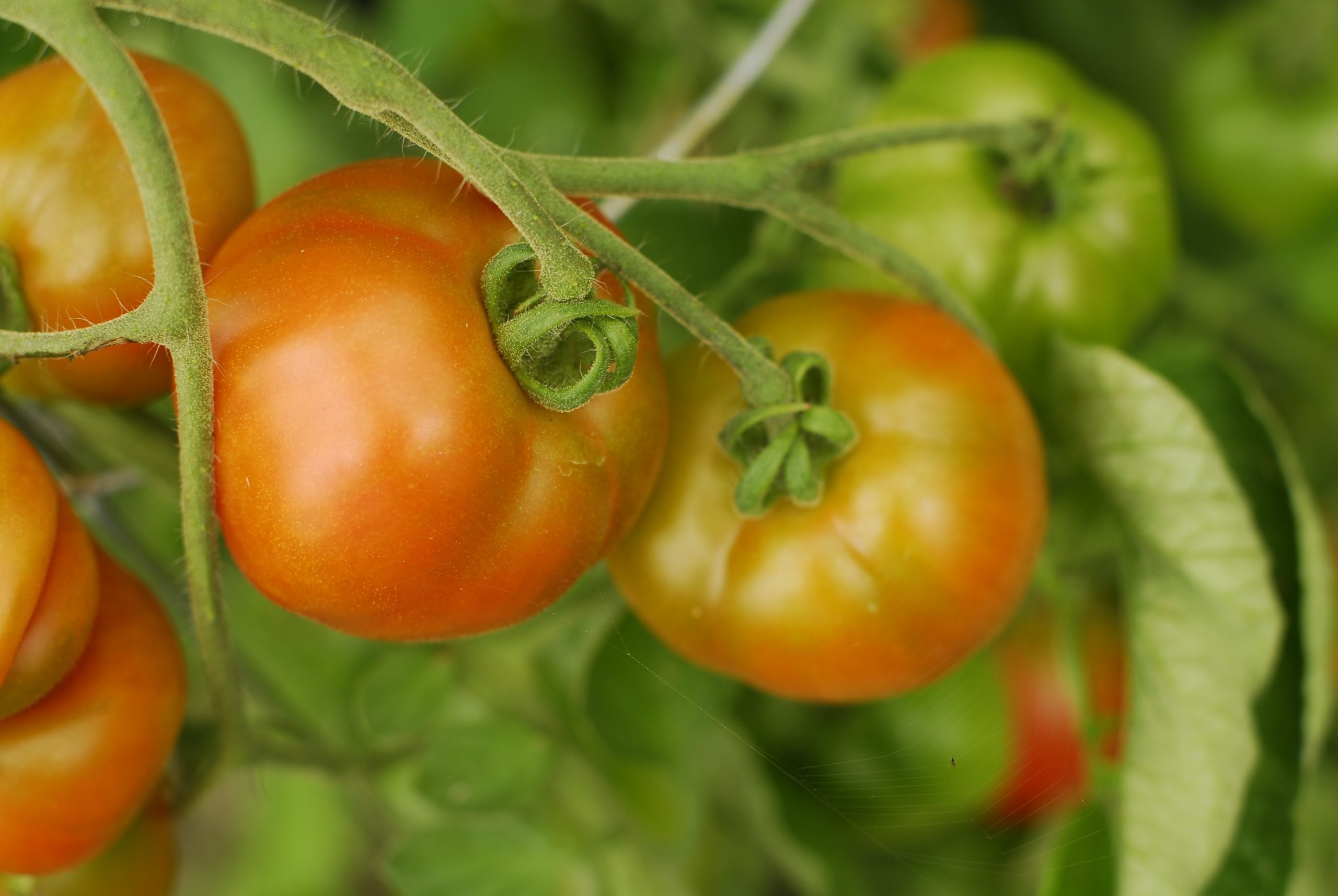
This has been the best year for cucumbers and tomatoes. They just keep coming. Ironically, they also take a while to get established, but when they do – oh boy! This season I planted an early crop of cukes in the greenhouse and then direct seeded a crop outside in early June and with another planting in mid-July. The greenhouse cukes are done, the June cukes are slowing down and the July cukes are hitting their stride.

Look for Klesick Farms cucumbers till the first hard frost. We absolutely love the flavor of the Silver Slicers. Those yellowish white cucumbers have great flavor and provide a nice break from the traditional green slicers that come most of the year.

However, we also plant the classic green slicing cucumber “Marketmore”. Whenever Marketmore’s are brought up in grower circles, you should hear the poetic waxing, “Those are beautiful.” or “The disease resistance is incredible.” or “They just keep producing!” or “They taste great!”. Jeesh, all this gushing about a cucumber! It is well deserved.

And when you plant a Marketmore or Silver Slicer in organic soils it tastes even better, but, really every crop tastes better when it is grown organically. The healthier soil combined with ample water and sunshine is a recipe for a bumper crop bursting with nutrition and flavor!

Fennel
This week I am switching gears in the “boxes of good”. Our friends at Highwater farms have some excellent Fennel and I have a good quantity of beets, so we are pairing the two together and offering a roasted fennel beet salad for the recipe. Fennel isn’t on the dinner plate often, but every so often I like to stretch a few taste buds.

You can follow the recipe here or google how to use Fennel, or you can do what I do. I grab every root vegetable that has been hanging around waiting to be eaten (think: carrots, sweet potatoes, beets, potatoes, garlic, onions, and fennel), chop them up into 1″ chunks, coat them with olive oil, sea salt and a little pepper, toss them into a pan and roast them all at 425 degrees for about 40 minutes. YUM! The tricky thing about eating good vegetables is that you have to eat them to get the nutrition. I know the produce is beautiful and you just can’t bring yourselves to cook them, it’s okay, but their beauty really shines when you eat them.


Tristan

Farmer/Health Advocate