
Posted on

How to Eat Your Box! (Week of 4/8/18)

Savoy Cabbage:

These crinkled leaf cabbages are one of the best varieties for cooking and tender enough to be eaten raw in salads. A drawback of its tender nature is that it does not have the keeping quality of its sturdier cousins but should hold well in the fridge for about a week. Cook them like you would a regular cabbage; in soups, stir fries, or other cabbage recipe. Or, simply cut into one-inch strips and sauté in a large covered pan with some butter.

In China and other East Asian region, it is used like cabbage in stir fries with added onion, garlic, bell pepper and green chillies mixed with steamed rice and soy/chili/tomato sauce to prepare fried rice, egg rice noodles, chowmein…etc.
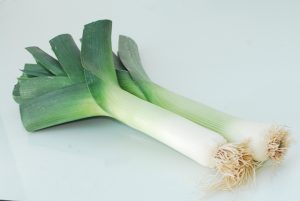
 

Leeks:

Leeks are cousins to the old, familiar onion, but have a sweeter, more delicate flavor reminiscent of garlic or chives and are delicious no matter how they’re cooked. Additionally, leeks contain generous amounts of vitamins, minerals and antioxidants, making the vegetable a wise addition to a healthy diet. You can cook leeks by poaching them in chicken broth, pan-frying them in a little oil, or boiling them until tender, or you can include the leeks in a variety of other recipes (such as the one below).


Featured Recipe: Simple Shredded Savoy Cabbage

A simple shredded savoy supper or side dish that also pairs well with a protein such as roast chicken.

Prep Time: 5 minutes Cook Time: 5 minutes Total Time: 10 minutes Serves 3-4


Ingredients:

Knob of unsalted butter or ghee

2.5 oz. pancetta (or other salty, savory protein)

1 small savoy cabbage, shredded

1 leek, white parts only, rinsed, medium dice

small glass white wine

Salt and pepper

Instructions:

Melt a knob of butter in a large frying pan over a medium heat until it foams. Add the pancetta and diced leeks and cook for 3-4 minutes until pancetta is lightly browned and leeks are starting to get tender.

Finely shred the cabbage and add it to the pan.

Turn the heat up high and pour in the wine. The cabbage will cook in 2 minutes whilst the wine bubbles and reduces. Be sure not to overcook the cabbage—make sure it retains its bright green color.

Season with pepper and a little salt (depending on the saltiness of the pancetta) and serve. this dish is wonderful on its own with a hunk of bread or as an accompaniment to a roast chicken.


Adapted from recipe by glutsandgluttony.com

Posted on

How To Eat Your BOX! (Week of 3/26/17)

Ataulfo Mangos:

Unlike other mangos, Ataulfos get very soft, and even wrinkly when ripe. And the darker the yellow, the sweeter they are! They also have a creamier texture and don’t get those annoying stringy fibers like other mangos do. Eat these raw or try adding them to one of your favorite cooked savory dishes. Fried rice with mango is simply amazing! Mangos also are great on salads, stir-fries, or added to sauces or in salsa. If you have a dehydrator they are so good dehydrated or made into fruit leather. You can order a whole case and dehydrate them or try freezing to use in smoothies.

Butternut Squash:

There are many, many ways to use this creamy squash, but my favorite way is in soup. It adds such a wonderfully rich and smooth texture that I can’t pass up any opportunity to puree it. The key to getting that rich full flavor is to roast or sauté the squash first. You can peel, cut into cubes and sauté with onions and garlic until tender or cut in half, slather in olive oil and bake cut side down at 425° for about 50 minutes. If you follow the baking method, simply scrape the insides out with a spoon; no need for peeling. Then blend everything with 1-2 cups of milk (depending on how thick you want it). This can be eaten as is with salt, pepper, a quarter teaspoon cayenne pepper, and topped with cream and toasted nuts.

Savoy Cabbage:

These crinkled leaf cabbages are one of the best varieties for cooking and is tender enough to be eaten raw in salads. A drawback of its tender nature is that it does not have the keeping quality of its sturdier cousins. However, because they are miniature size this week, you can use them up in a single meal. Cook them like you would a regular cabbage; in soups, stir fries, or other cabbage recipe. Or, simply cut into one-inch strips and sauté in a large covered pan with some butter.

Featured Recipe: Green Beans with Caramelized Onions

Ingredients:

Kosher Salt 1 lb. Green Beans ¼ Cup Sliced Almonds

1 Tbsp Butter

2 Tbsp Olive Oil

1 Spring Onion

Fresh Thyme leaves

Black Pepper

Directions:

Fill a large high sided skillet with some water, adding enough to be just shy of the rim of the pan by about 1 inch. Place over high heat and bring up to boil; add a big pinch of salt and the green beans. Cook for about 5 minutes, the beans should still be crisp. Drain the beans and then run them under some cold water to stop them from cooking. Reserve the beans while you start the onions. Return the skillet you cooked the beans in to the cook top over medium heat. Add the almonds and toast stirring every now and then until golden, about 3 to 5 minutes. Remove the almonds from the skillet and reserve. Return the skillet to the heat and add the butter and olive oil and heat until the butter has melted. Add the onions, season with salt and pepper, and cook stirring frequently until the onions caramelize, 20 to 25 minutes. Add the thyme, and cook for another 5 minutes. Add the cooked cooled green beans and almonds, and stir well to combine. Season with salt and pepper, to taste.

Recipe adapted from Finecooking.com