
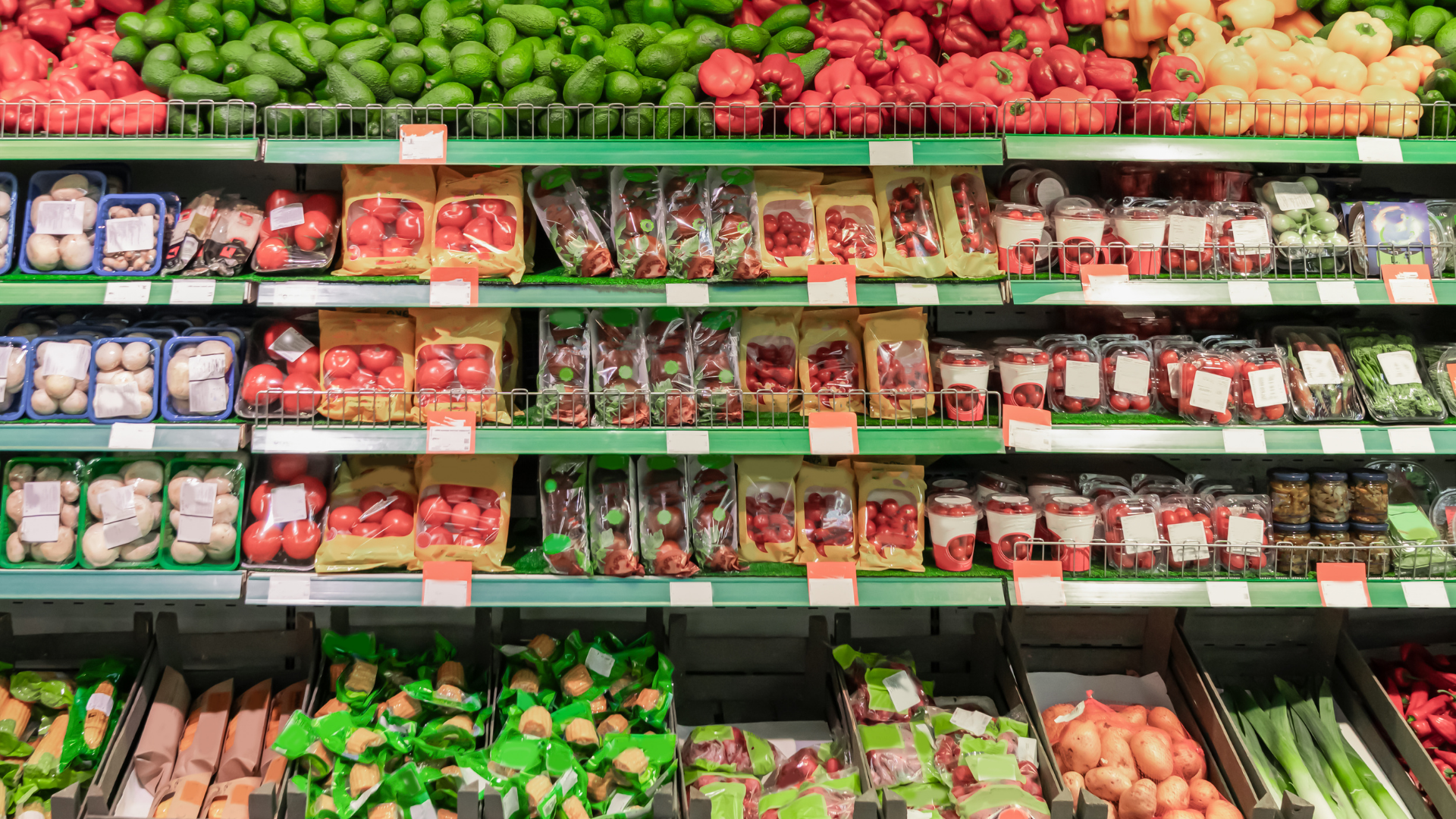
Most of us don’t plan our grocery trips. We walk in and grab a cart, then do what we have always done. Follow the same route.
The truth is, grocery stores are designed to shape the way you shop. Fresh foods are often placed around the outside, while the center aisles are packed with boxed, shelf-stable items that are easy to grab and easy to overbuy. By starting around the outer aisles, you give yourself a better shot at filling your cart with produce, dairy, meat, and other foods that are closer to their natural state.
The First Place We Learned to Shop Wasn’t the Best Place to Eat
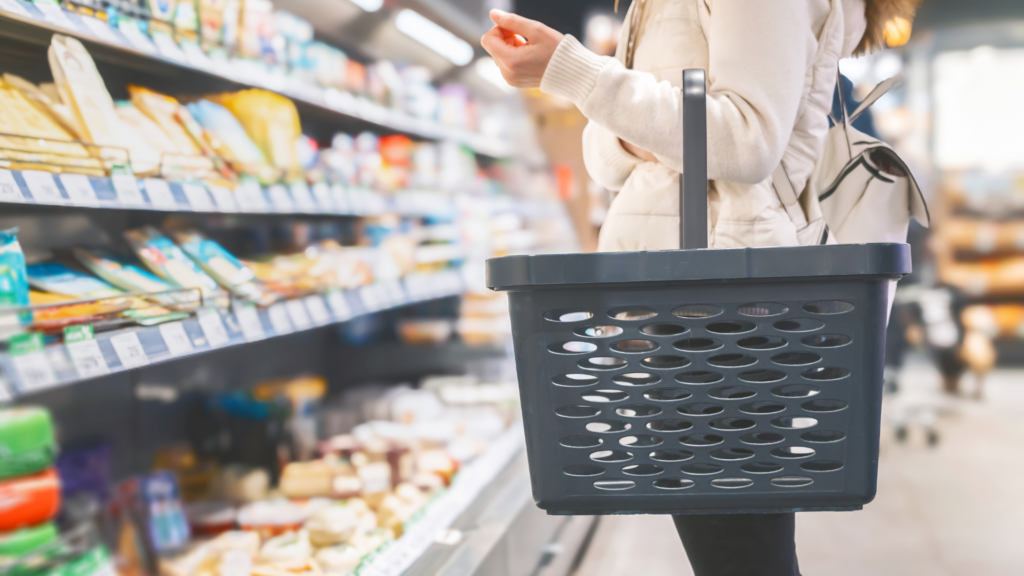
Most people learned to shop by memory; we know where the cereal is and where the chips are. So that is where we go first. But grocery stores are built to make shopping easy, not healthy.
In the center aisles, food becomes something else. It turns into stock, inventory, and product.
Everything is made to last, and the farther food gets from its original form, the easier it is to forget what it once was.
Fresh Food Is Usually Waiting at the Edges
The outer aisles are where food still looks like food. You see fruits, vegetables, dairy, eggs, and meat. These items don’t need much explanation because they haven’t been heavily changed.
An apple is still an apple.
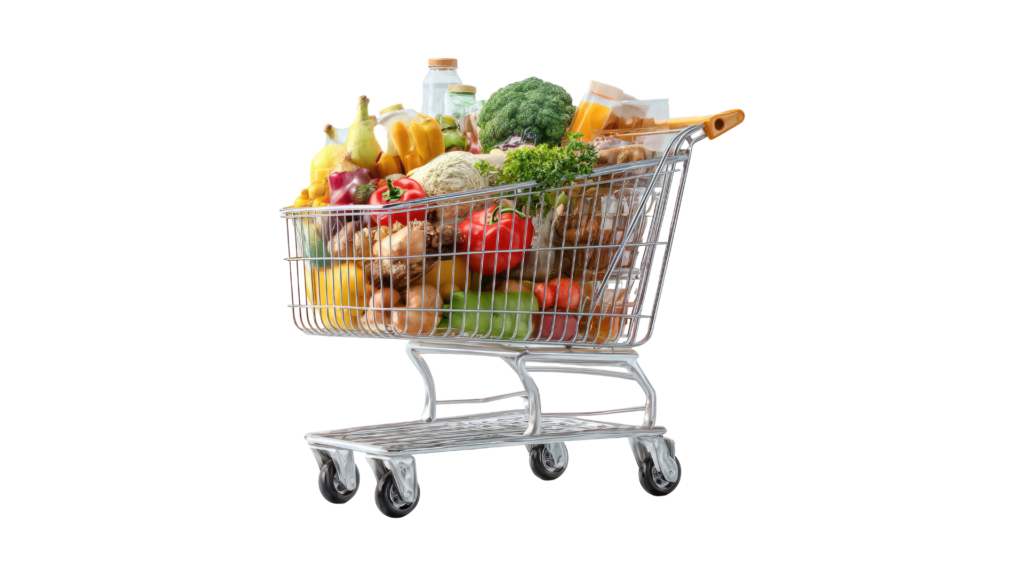
Walk those sections and your cart starts to look different. Instead of packages and labels, you see ingredients.
- Spinach instead of chips.
- Chicken instead of frozen dinners.
- Yogurt instead of shelf-stable snacks.
A Simpler Shopping Habit
The best part of this approach is how easy it is to begin. You don’t have to focus on a new diet or even a bigger budget. You just need to focus on a different starting point.
Next time you go shopping, start at the perimeter and fill your cart with items in their original form first. Then move inward to find the specific items you came for.
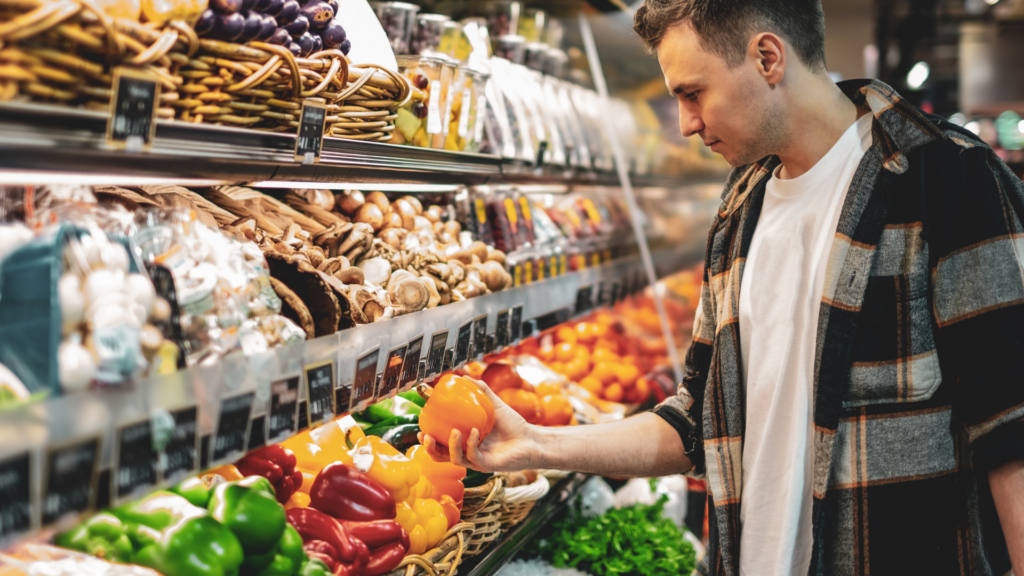
This small change will shift more than just your route, but it will also change your decisions on what food you should buy. You will stop shopping on autopilot and start choosing what you eat with purpose.
That is the real advantage when shopping the outer aisles: you make better food choices.
By following this approach, the question of “what’s for dinner” starts to have a healthier answer.