
Posted on

How to Eat Your BOX! (Week of 5/13/18)

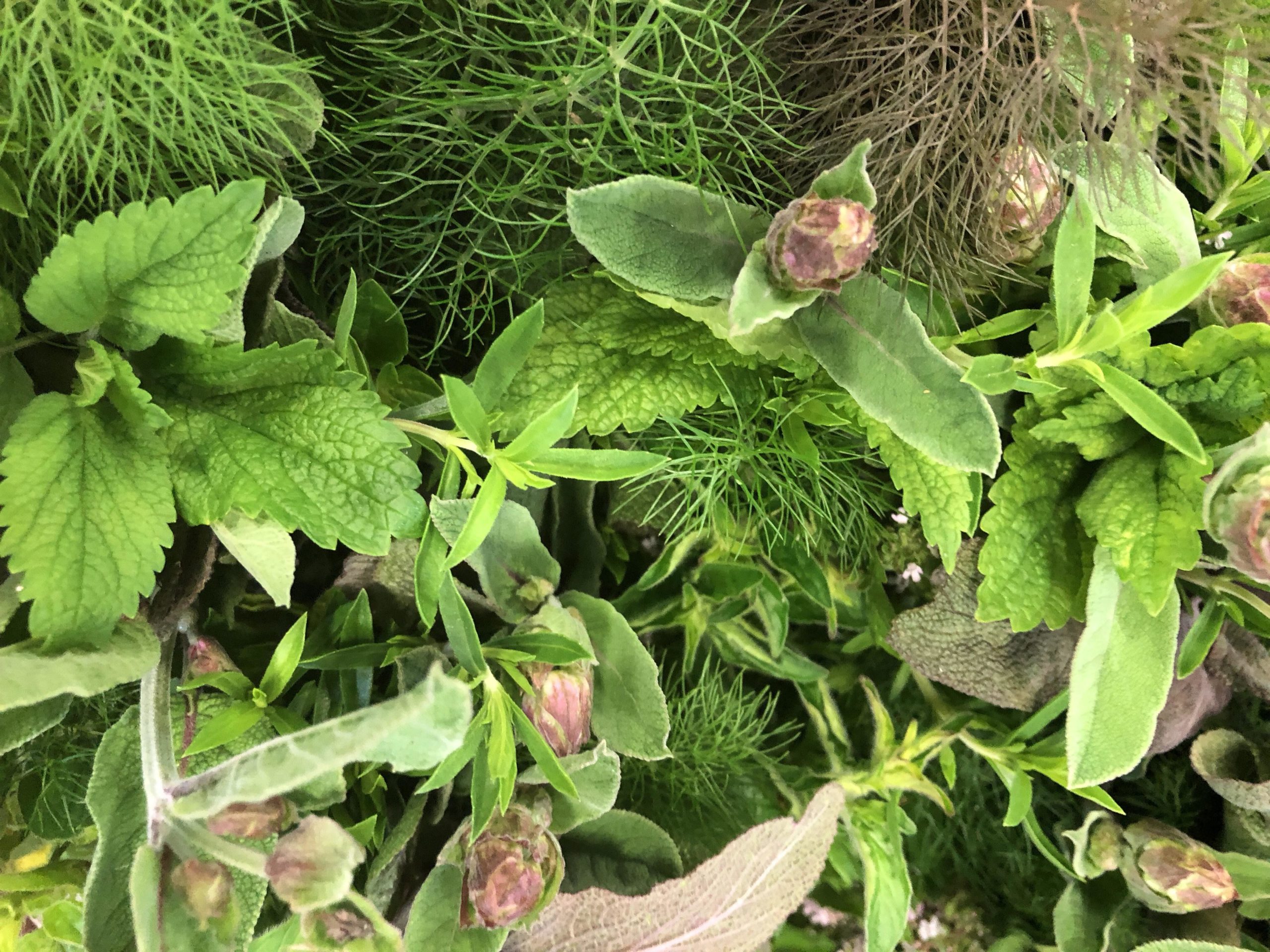
Fresh Herbs

Add them fresh to salad as a garnish. Store them like you would flowers: in a vase on the counter until ready to use.

Artichokes:

Artichokes can be steamed, boiled, baked or grilled. To bake, cut about an inch off the top and stem of the artichoke. Then cut it in half and remove the fuzzy part in the center with a spoon. Rub the cut side with a half a lemon, squeezing some juice into the fold and the middle. Drizzle with olive oil, sprinkle with salt, pepper and freshly minced garlic. Bake on a cookie sheet for about 25 minutes at 425°. Melted butter or mayonnaise mixed with a little balsamic vinegar is commonly used for a dip but you can be creative and use whatever your taste buds desire! Try adding chili flakes, smoked paprika, or fresh herbs to the dip.

Turmeric:

The Fresh turmeric rhizomes look similar to ginger. Turmeric’s flavor is more vibrant when fresh—peppery, earthy, slightly bitter. Peel turmeric with a vegetable peeler before using, but only peel the amount you’re going to use, to keep the rest of the rhizome from drying out. To use, you can zest it (our favorite way), grate it, or slice it up small into discs or cubes.

Radishes:

Radishes a bit too peppery for your taste? Try poaching or sautéing them, you’ll be surprised at how mellow their flavor gets! In the raw, radishes are great as a topping to your salad, tacos, or as a side to Asian or Mexican cuisine! Remove the leaves and give the bulbs a quick rinse before storing to keep them freshest!

Featured Recipe: Golden Turmeric Rice

Serve this gorgeous, aromatic rice with roast chicken or braised lamb. Serves 4

Ingredients:

1 cup basmati rice

1 13.5-oz. can unsweetened full-fat or light coconut milk, well shaken

¼-½ cup water as needed (see recipe)

1 oz. fresh turmeric, peeled and finely grated (about 2-1/2 Tbsp.)

Kosher salt

1/2 tsp. light brown sugar or omit if cutting back on sugar

1/8 tsp. ground cinnamon

Pinch ground cardamom

1/3 cup golden raisins

1/2 tsp. crushed red pepper flakes

1/3 cup coarsely chopped salted pistachios


Instructions:

Rinse the rice in a medium-mesh strainer under cool running water, swishing it with your hand occasionally, until the water runs clear.

In a 4-quart saucepan, combine the coconut milk, turmeric, 1/2 tsp. salt, sugar, cinnamon, and cardamom. Stirring frequently, bring the milk to a gentle boil over medium heat. Remove the pan from the heat, add the raisins, and let steep for 20 minutes.

Return to a low boil, reduce the heat to very low, and stir in the rice and pepper flakes. Add additional water if mixture looks too thick and you’re worried about the rice sticking (you can always cook it off). Cover and cook until all of the liquid is absorbed, 10 to 12 minutes. Remove the pan from the heat, and let the rice stand, covered, for 8 to 10 minutes.

Fluff with a fork, then serve topped with the pistachios.


Recipe adapted from www.finecooking.com

Posted on

Have You Heard of Turmeric?

If you’ve never heard of it, you’re not alone! Little did I know, growing up in Peru, that I ate many Peruvian dishes that use turmeric, thanks to our African influence. In its powder form we call it “palillo.” I was over-the-moon ecstatic to find out that Klesick Farms offers fresh turmeric root! Although it’s not in the Klesick boxes this week, it is an amazing product you can add to your future orders. Let’s take a look at this popular ingredient in Indian, Asian and African cuisine. Turmeric is one the most thoroughly researched plants in existence today. Its medicinal properties and components (primarily curcumin) have been the subject of over 5,600 peer-reviewed and published biomedical studies!

Also known as curcuma, turmeric belongs to the ginger family. It gives curry its peppery taste and characteristic yellow color. Curcuma, which is responsible for turmeric’s yellow color, is also its most active medical component. Studies show that raw turmeric contains higher curcumin content in comparison to its counterpart turmeric powder.

According to studies, turmeric contains components that are both anti-inflammatory and antioxidant, making it useful for treating arthritis, inflammatory conditions and possibly cancer. As a strong antioxidant, turmeric is rich with a substance believed to protect body cells from damage caused by oxidation. In promising, but very early research results, curcuma has kept several kinds of cancers from growing or spreading.

Okay, so how you can use raw turmeric? I’ve included a recipe (below), but you can also use raw turmeric to:

* Make golden milk: Heat 2 cups light unsweetened coconut milk (or almond milk) with 1 tablespoon peeled, grated fresh ginger and 1 tablespoon peeled, grated fresh turmeric and 3-4 black peppercorns. Bring to a simmer and simmer covered for 10 minutes. Strain and sweeten to taste (if desired). Great before going to bed!

* Add to curries and rice

* Add to juices and smoothies

* Add to salads and stir fries, and so on…

One newsletter is not long enough to list the many benefits of turmeric. As per how to use it, the list is endless and just limited by your imagination!

Sara Balcazar-Greene (aka. Peruvian Chick)
Peruvian Food Ambassador
peruvianchick.com
instagram.com/peruvianchick
facebook.com/theperuvianchick


Recipe: Turmeric-Ginger Chicken Lettuce Wraps

Ingredients:

1 2½ to 3-inch piece ginger root

1 3-inch piece turmeric

1 small shallot, peeled

2 small potatoes, diced

2-3 medium cloves garlic

½ cup soy sauce

1 tablespoon Sriracha sauce (optional)

Juice of one large lemon

2 tablespoons water

2 pounds boneless skinless chicken breast, cut into approximately ½-inch strips

1 tablespoon virgin coconut oil

2 large carrots, shredded

3 tablespoons minced fresh cilantro

1 head of butter lettuce, leaves separated, cleaned and dried

Directions:

1. Using the small holes of a grater, finely grate ginger, turmeric, garlic and shallot into a large glass mixing bowl. Add soy sauce, Sriracha, lemon juice, water and whisk to incorporate.

2. Add chicken strips and toss well to coat with marinade. Cover with plastic wrap and marinate for at least 30 minutes up to 2 hours in the refrigerator, stirring occasionally to make sure the chicken is coated.

3. Heat oil in a large sauté pan over medium heat. Add potatoes until they are cooked half way though. Add chicken and sauté in a single layer; turning pieces with a spatula as they cook. Continue stirring until chicken is cooked through, about 15-20 minutes. Remove chicken from pan and transfer to a serving dish; cover to keep warm. To serve, place 4-5 chicken strips inside a lettuce leaf.

4. Top with approximately ½ tablespoon of shredded carrots and sprinkle with a pinch of cilantro.


Know Your Produce: Bartlett Pears

Did you know that Bartlett Pears contain probiotic benefits that support your gut health? New research has found that pears can balance beneficial gut bacteria.

Ripened pears can be used at once or put under refrigeration until you want to use them. Refrigeration will delay further ripening, but will not stop it altogether, giving you adequate time to include fresh pears in your menu planning.

A ripe pear is a sweet pear. A little known fact about the pear is that it is one of the few fruits that does not ripen on the tree. The pear is harvested when it is mature, but not yet ripe, and, if left at room temperature, it slowly reaches a sweet and succulent maturity as it ripens from the inside out.

Place under-ripe pears in a fruit bowl at room temperature near other ripening fruit, like bananas, which naturally give off ethylene and will help speed up the ripening process. And if you find yourself with a few too many overripe pears, blend them into smoothies, soups, sauces and purees!