Posted on

Holiday Stressors

Six Holiday Habits That Cause Heart Attacks  

Some traditions make for merriment and fun – but these six can literally stop your heart. 

BY DR. DARRIA GILLESPIE, MD 

“Christmas Coronary.” It sounds festive, doesn’t it? Like something you’d hear in a holiday movie. Unfortunately … no. The term was coined by doctors who noticed a disturbing pattern: Heart attacks and heart-related problems peaking every year over the winter holiday season — specifically on Christmas, the day after Christmas and on New Year’s Day.  Of course, health emergencies at this time of year seem to stick out more in our minds — the dad who had a heart attack just after the family dinner or the grandfather who experienced severe chest pain after shoveling snow. But it’s more than just anecdotal. Studies show that the number of heart attacks increases by over 30% in the winter. This number holds true for all ages (young people can manifest as having dangerous heart rhythms) and genders.
 

What’s behind this increase? These six stressors specifically surrounding the holidays put us at greater risk: 

  1. Cold temperatures. Cold weather causes your blood vessels to constrict in your arms and legs, making your heart work harder. It can also cause the blood vessels to your heart to spasm, temporarily depriving the heart of oxygen.
  2. Overexertion. Even those who are sedentary during the rest of the year may increase their physical activity over the holidays — shoveling snow, trudging through snowdrifts or going sledding with the kids. Suddenly becoming active in the cold weather causes a spike in demand on your heart. In addition, the mere act of lifting a heavy snow shovel increases your blood pressure, which makes someone with heart disease even more at risk of having a heart attack. 
  3. Nonstop food feasts.A study from Switzerland showed that in the winter, people had higher blood pressure and cholesterol — the very factors that drive a heart attack.
  • What to do: I know—the parties, family gatherings and treats are half the fun! And we all need a little fun. You can still enjoy the festivities, albeit with some caveats. Give yourself some boundaries—for example, you’ll only eat two pieces of mom’s special fudge or one piece of apple pie. Or maybe you’ll allow yourself to indulge at one party, but not the other. I try to keep my nutrition in check on weekdays and then allow myself to cheat a little on the weekend. That works for me, but everyone is different so try some strategies to see what works for you. 
  1. Alcohol. Holiday spirits can lead to “Holiday Heart Syndrome” if you’re not careful. I remember last holiday season taking care of a 34-year-old guy who had come home for the holidays, gone out with his friends and noticed that his heart was suddenly racing. His heart rate was 180 when EMS brought him in. It took hydration and medications to stabilize his heart rate.
  2. Ignoring symptoms. It’s a common excuse: “All the family is here right now” or “I don’t want to spend Christmas Eve in the ER” or “I have 30 guests coming this evening.” Health problems never come at convenient times, and the holidays make those surprises seem even more inconvenient.
  3. Catching a bug.‘Tisthe season for gifts, family — and the flu. A disease like the flu can put excess pressure on your heart — especially if you already have heart problems — increasing the risk of a heart attack. 

With a little extra caution, you can enjoy the holidays while staying your healthiest.  


May you keep the holiday spirit in your heart year ‘round, avoid “Holiday Heart Syndrome” and always and forever remain young at heart. 


This week’s newsletter is excerpted from an article that can be read in its entirety at https://www.sharecare.com/health/heart-attack/article/6-holiday-habits-that-cause-heart-attacks 


Let’s commit to a good food strategy that is heart healthy this holiday season.  

Tristan

your farmer and health activist


  • 1/4 cup lime juice 
  • 1 Tbsp. agave nectar or honey 
  • 1 tsp. sea salt 
  • 1/2 cup olive oil 
  • 1 tsp. white vinegar 
  • 1/2 cup chopped parsley 
  • 3 cups cooked quinoa 
  • 2 fresh pears, cut into chunks 
  • 1/2 cup dried wild blueberries (optional) 
  • 1/2 cup pecans, chopped 
  • 1/2 cup shaved carrots 
  • 1/2 cup diced cucumber 
  • 1/2 cup finely diced red pepper 
  • 1/4 cup red onions, diced 

DIRECTIONS: Mix lime juice, honey, salt, olive oil, and vinegar in a bowl; set aside. 

  1. In large bowl, mix together quinoa, fruit, vegetables, nuts, dried blueberry, then pour over dressing. 
  1. Place in refrigerator to chill, then serve cold! (Optional to serve with chicken.) 

All images and text ©Sandy Coughlin for Reluctant Entertainer. 

Recipe Permalink: https://reluctantentertainer.com/pear-quinoa-salad/ 


Posted on

How to Eat Your Box! (Week of 8/26/18)

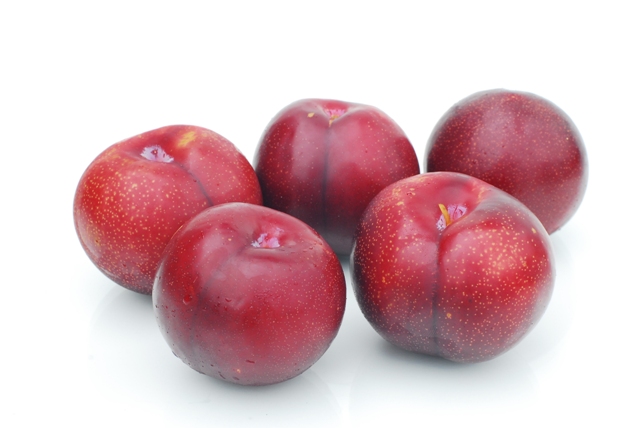
Pluots

STORE: ripe pluots in the refrigerator for up to three days.

PREP: If stored in the refrigerator, remove your pluots before eating and let them return to room temperature. They taste much better this way. Rinse and leave whole, slice into wedges or cut into chunks.

USE: These sweet Dapple Dandy Pluots can be eaten out of hand, as a fresh topping for yogurt, dehydrated into dried pluots or made into jam. You can also experiment by substituting them for plums in recipes (after all, they are the delicious hybrid of the plum x apricot).

Cauliflower

Containing unique antioxidants that may reduce inflammation and protect against several diseases, such as cancer and heart disease, cauliflower is also very easy to add your diet. It’s tasty, easy to prepare and can replace high-carb foods in recipes. Cauliflower can be chopped up and added to salad or soup, roasted in the oven, tossed in a stir fry, boiled and pureed as a stand-in for mashed potatoes or to make a creamy soup, baked into a pizza crust as a flourless alternative, or simply eaten raw. You don’t even have to cut it up. Try baking it whole by simply cutting off the leaves and stem so it can sit upright, baste in olive oil, salt and spices of your choice, and bake on a cookie sheet or cast iron skillet at 450° for about 45-60 minutes or until a knife can be inserted easily. Because of its mild flavor, cauliflower goes well in spicy dishes or curries as it soaks up all the other flavors


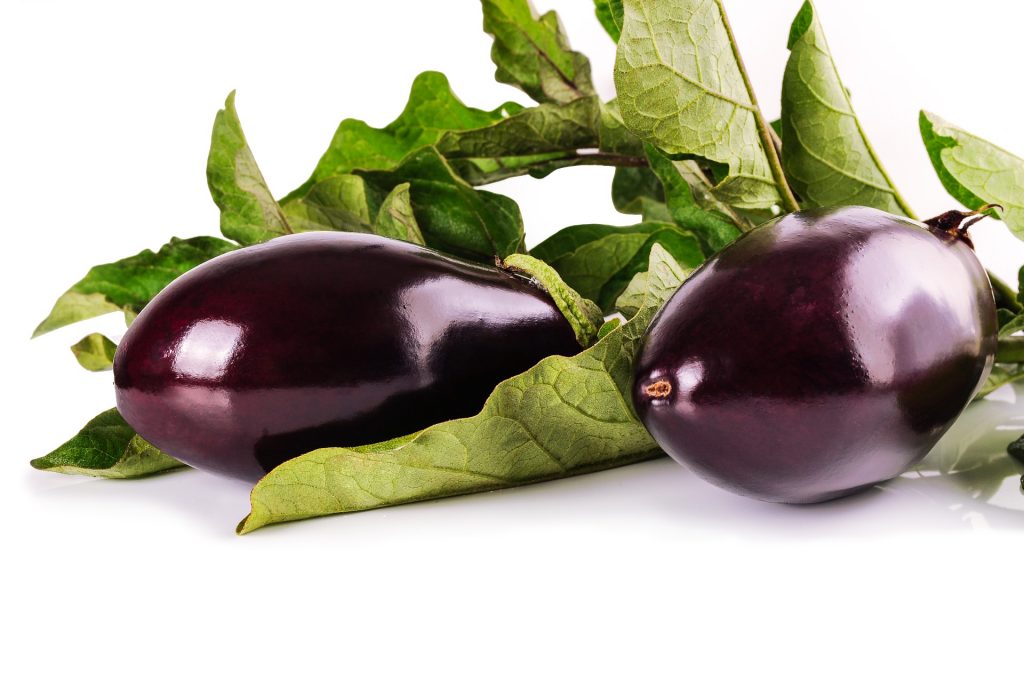
Eggplant

Larger globe eggplants should be peeled and salted before cooking. To peel, use a small knife or peeler and cut off the skin in stripes, leaving some of the peel still intact to help hold its shape when cooking. Then cut into slices or cubes. The most important step is to “sweat” the eggplant. This helps in getting the best flavor and consistency (helps it not be bitter). Do this by tossing in a generous amount of salt and leaving in a colander for about an hour, then squeeze dry. Rinse well under cold water and completely dry by squeezing them between a towel. To cook you can grill, bake or sauté.


Featured Recipe: Quinoa Salad with Roasted Eggplant, Caramelized Onion, and Pine Nuts

The eggplant soaks up lots of flavor from the olive oil and balsamic vinegar, and the caramelized onions add a touch of sweetness. Toss it all together with chewy quinoa and you’ve got a satisfying whole-grain salad to enjoy!

Serves 4 to 6

Ingredients

For the quinoa:

2 cups water

1 cup quinoa, or about 3 cups cooked

1 bay leaf

1 dried red chile pepper, optional

1 teaspoon minced hot green chile such as serrano, optional

3/4 teaspoon Aleppo pepper, or more as needed

3/4 teaspoon dried mint, preferably spearmint, optional

For the salad:

1 1/2 pounds eggplant, cut into 1-inch cubes (about 8 cups)

1/2 medium red onion, thinly sliced (less than 1/4 inch)

4 tablespoons extra-virgin olive oil

1/2 teaspoon fine sea salt

1/2 cup loosely packed torn fresh mint leaves

2 tablespoons white balsamic vinegar or red wine vinegar

1/4 cup lightly toasted pine nuts

Instructions

Place a rack in the center of the oven and preheat to 425°F.

To prepare the quinoa, add the water, quinoa, bay leaf, and dried chile to a 2-quart heavy saucepan and bring to a boil. Decrease the heat to maintain a simmer, cover, and cook until the grain is tender with a slight chew, 20 to 25 minutes. Remove the bay leaf and chile, drain if needed, and transfer to a large serving bowl. Sprinkle with the minced chile, Aleppo pepper, and dried mint and toss to combine.

Meanwhile, to make the salad, place the eggplant and the onion on a large rimmed baking sheet. Drizzle with 2 tablespoons of the olive oil, sprinkle with the salt, and combine well, using your hands. If you don’t mind the extra dish, it’s a bit easier to toss everything in a large bowl.

Roast the mixture until the eggplant pieces have softened and are browned in spots, and the onion slices have caramelized, turning them once with a spatula in between, 30 to 35 minutes. Remove the baking sheet from the oven and immediately sprinkle the vegetables with 1/4 cup of the fresh mint and drizzle with 1 tablespoon of the vinegar. Toss well with a spatula — this will soften the mint leaves and take the sting out of the vinegar.

To finish, add the warm eggplant mixture to the quinoa. Drizzle with the remaining 2 tablespoons olive oil and 1 tablespoon vinegar and toss to combine. Season with salt and vinegar to taste. Top with the remaining 1/4 cup mint and the pine nuts and serve.


Recipe adapted from thekitchn.com