Melons, Cantaloupe
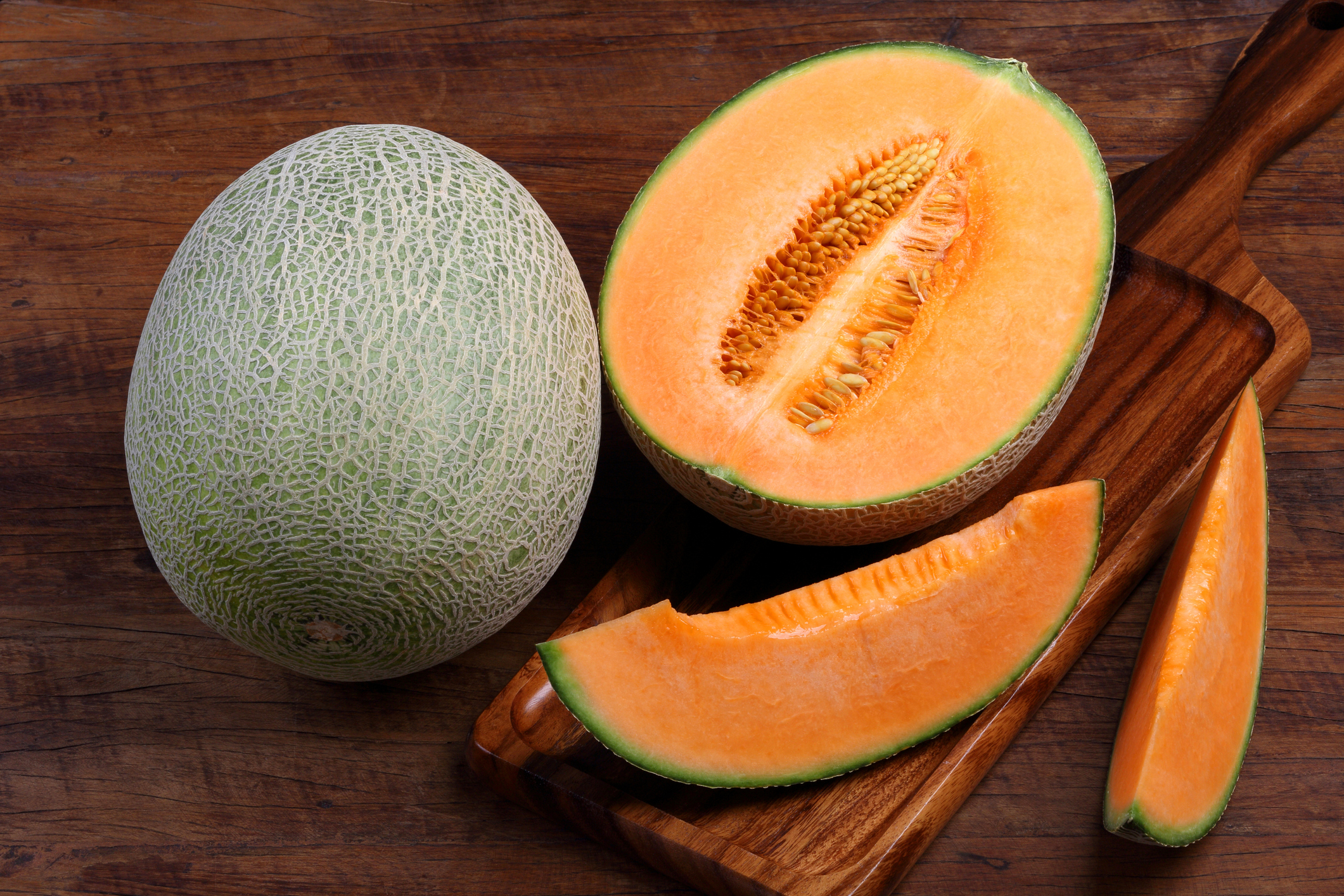
Cantaloupe provide a range of antioxidants, phytonutrients, and electrolytes which have been shown to have multiple health benefits. Two types of powerful antioxidants in cantaloupe (carotenoids and cucurbitacins) have been linked with the prevention of diseases including cancer, cardiovascular and neurodegenerative disorders. They help to stop free radical damage within the body and slow the aging process. —dr.axe.dom
Storage and Eating: They may look hardy, but melons can perish quickly if not kept in the refrigerator. Keep ripe melons away from other fruit so that the ethylene gas that they produce does not speed up the fruit’s ripening. Uncut ripe melons should keep in the fridge for up to 5 days. You can also use a melon baller to scoop out ripe fruit and then freeze to add to smoothies.

Green Cabbage
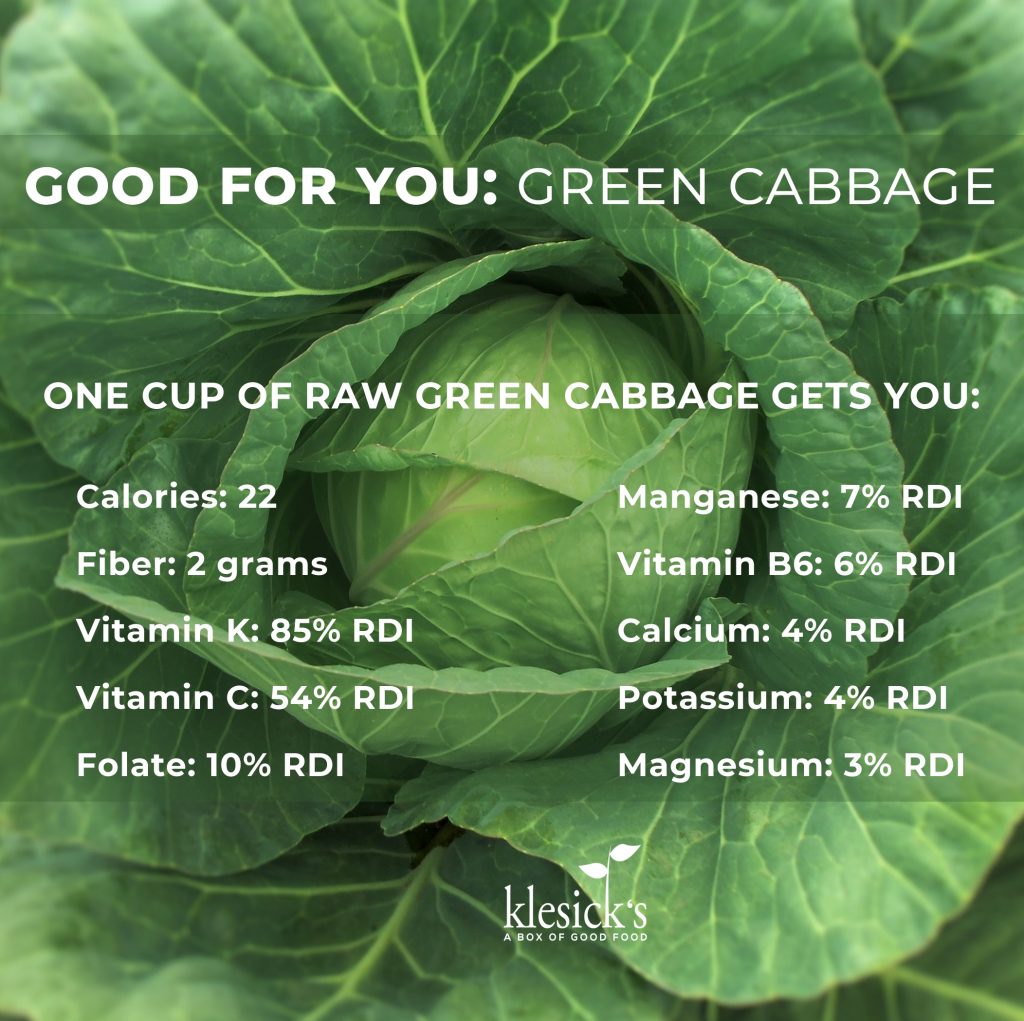
Cabbage has the highest amount of some of the most powerful antioxidants found in cruciferous vegetables – phytonutrients such as thiocyanates, lutein, zeaxanthin, isothiocyanates, and sulforaphane, which stimulate detoxifying enzymes. Research has shown these compounds to protect against several types of cancer, including breast, colon, and prostate cancers. They also help lower the LDL (low-density lipoprotein) or “bad cholesterol” levels in blood, which can build up in arteries and cause heart disease. —foodfacts.mercola.com
Eat it: Cabbage is a handy thing to have around. There are endless opportunities to use it up. You can add it to “just about anything” veggie-wise. Make cabbage “shavings” by first cutting the cabbage in half, then simply shaving off pieces from along the edges. Also, if you’re like me and rarely use a whole cabbage in one sitting, keep the cut edges from drying out by rinsing and storing in a sealed plastic bag.
Featured Recipe: Cabbage Salad
This delicious, filling comes from the one by Dr. Joel Fuhrman. This combination of greens, seeds and currants will fill you up quickly and keep you full.
Ingredients:
3 ½ cups green cabbage, grated (approx. ½ cabbage)
1 carrot, peeled and grated
1 red pepper, thinly sliced
1/4 cup dried currants or cranberries
2 tbsp raw pumpkin seeds
2 tbsp raw sunflower seeds
1 tbsp unhulled sesame seeds
For dressing:
1/3 cup almond or hemp milk
1 apple, peeled and sliced
1/2 cup raw cashews
1 tbsp balsamic vinegar
Instructions:
Mix all salad ingredients together.
In a high-powered blender, blend almond/hemp milk, apple, cashews and vinegar and toss with salad.
Garnish with currants and lightly toasted sesame seeds.
Recipe adapted from Dr. Joel Fuhrman