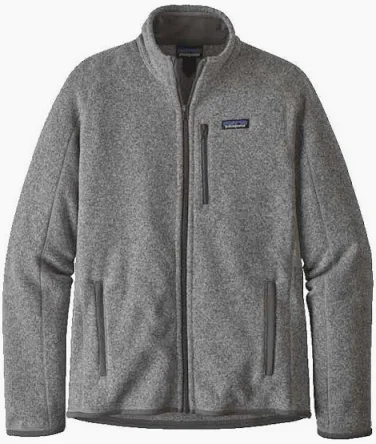
I have a favorite sweater that is head and shoulders better than any other sweater, and so much so, that I point out to Emily anytime I see another version of my sweater on a stranger out in the wild. It’s a little game I play. It’s similar to when someone in my family starts driving a new vehicle, and suddenly I start recognizing all the other people in our town that also (apparently) just started driving the same vehicle! Of course, people have been driving that vehicle for ages, long before I paid attention to their choice of transportation. But once you see it, you can’t unsee it.
There’s another area I play this game, although much more niche than sweaters or vehicles. I’m sure we’re all familiar with the popular saying, which states that the three most important things in real estate are “Location, location, location”. However, I’ve noticed a disturbing trend where this does not hold up. As I started to catalog more and more instances, a curious truth revealed itself. Just like I catalog and point out sweaters to Emily, now I catalog and point out locations that are in seemingly prime locations, but are instead either dead, or a revolving door of attempts to not be dead. Do you ever see an empty lot, or an abandoned building, or a space boarded-up, yet it’s right on a busy intersection? Or it is just next to the offramp of a highway? Despite having all the signage, all the visibility, all the access, it still cannot catch a breath of air for more than a few months before shuttering. Then a new tenant comes along, perhaps after being told by the property broker that “location is everything”, yet a year later, it’s gone. Why is that? There are many locations off the top of my head that fall into this category, on Camano Island, Bellingham, Smokey Point, Seatac, Everett, Burlington, Stanwood, Lynnwood, etc, etc, etc. The actual city is not important, since it is not isolated to any specific legislation, ordinances, tax codes, or county laws. It’s much deeper, and more fundamental than that.
In addition to trees and mangoes, one of the things I love most in life is Bell Curves. And these abandoned storefronts and restaurants in primo locations follow a bell curve also: the bell curve of convenience. They were choked by the excess convenience. On the left side of the bell curve of convenience, it is very difficult to start a store, restaurant, or business in the backwoods, way off the beaten path. As you approach the middle of the bell curve, it is very valuable to be in a visible, convenient, accessible location where your mere presence does the talking. However, “more” is not always “better”, and increasing in convenience starts to have diminishing returns as you roll down the backside of the bell curve. A one-lane intersection with a roundabout or a four-way stop is very accessible because there are natural breaks in traffic. When an intersection becomes so crowded that it needs a turn lane in the middle, or two lanes both ways, or a median down the center, things go downhill quickly. Now the road has become so popular, so convenient, that it has become very difficult, even dangerous, to get in and out. Perhaps you can only get in one direction and go out in only one direction? Perhaps you can only enter one way but exit through another place? Perhaps, like the grocery store near me, there’s a high chance of dying anytime you go near any of the entrances! When a location becomes too convenient, it cuts off the air supply of the nutrients it needs to survive, and it either becomes increasingly expensive to maintain, or it simply starts to wither away. The oxygen it needs, namely people, are unable to access it any longer. Pay attention to the overly convenient real estate near you. Maybe you’ll notice some that die from excess convenience.
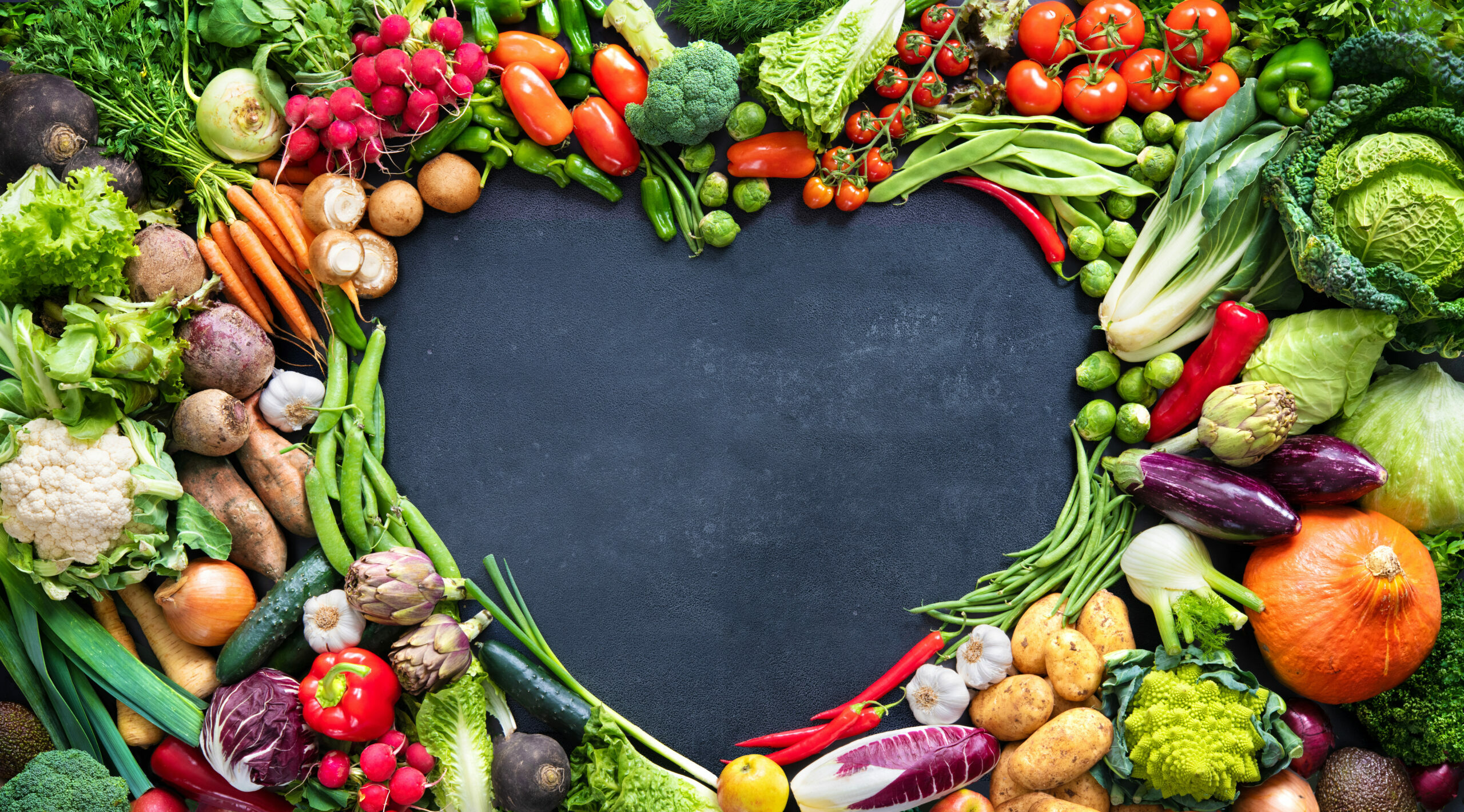
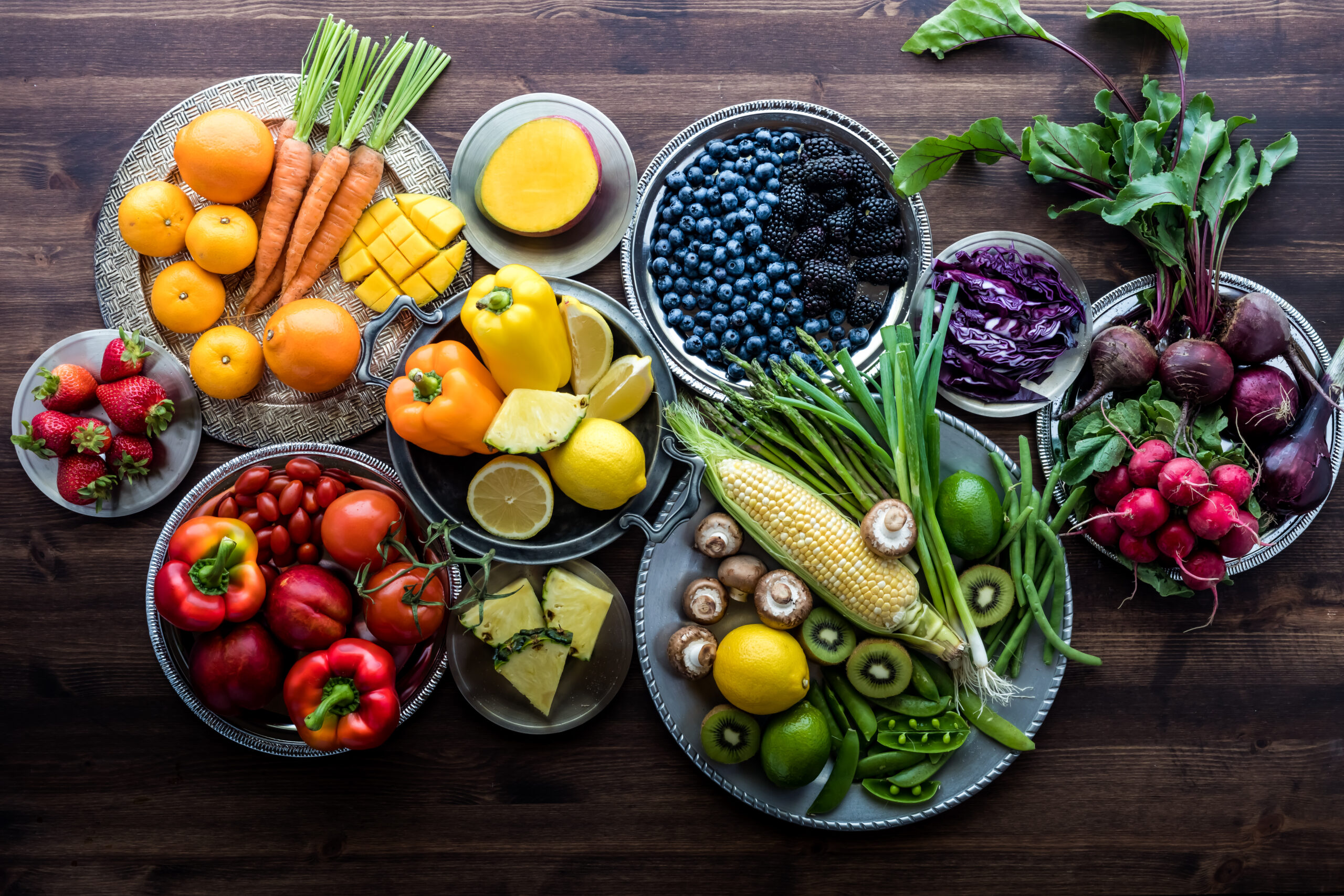
How similar our food supply has become as we have sacrificed the essential nutrients our bodies need in exchange for convenience stores, fast food, easy bakes, quick mixes, and instant pots. Fresh, local, organic, and un-processed food is the “slow food” we need to keep the supply of nutrients our bodies need to be healthy, active, and long-lasting.
Tobin