Posted on

Know Your Produce: Kohlrabi

Have you ever eaten a kohlrabi? These little sputnik-shaped vegetables come in green or purple, can be eaten raw or cooked, and taste a lot like broccoli stems. The word kohlrabi is German for cabbage turnip (kohl as in cole-slaw, and rübe for turnip) though kohlrabi is more related to cabbage and cauliflower than to root vegetables. We usually eat them raw, just peeled, sliced and added to a salad, but they are also delicious cooked and are often used in Indian cuisine.

From www.simplyrecipes.com

Posted on

What a Storm!

Like most of you, we really felt the house being buffeted by the wind.  Joelle and I have a date night with one child every Monday night. Last night on the way home it began to rain in earnest.  Once home Andrew went to feed the Labs and I went to feed the horses.  It was quite a thunder and lightning show and the horses were fairly unsettled with all the activity.  I am sure glad that I was feeding them on the other side of their stalls, because every time lightning flashed they would back up, turn around and head out the other side. Then they would calm down and come back in and start munching again.  After I had finished feeding them, it was about the time that the wind and rain came down in torrents. Naturally, I am nowhere near the house, where it is warm and dry!?!?!? Every gutter was overtopping and I said to myself, “I am going to get wet!” Just as I was beginning my dash to the house a huge gust of wind blew the main horse gate wide open.  EEEEK! Change of plans, secure the gate.

So now I am getting drenched, securing the gate and thanking the Lord that the gate blew open while I was still out there! I have chased lots of livestock in my farming career and I, thankfully, only have to imagine trying to find 3 scared, 1 ton, critters in the morning. They could have been hit by cars or cut themselves on a tractor implement or run through neighbors fence. But all that is purely conjecture because the horses were contentedly waiting for breakfast this morning.  Now we can head out to the fields and do some work.

Tristan

Posted on

A plea of for common sense to prevail.

Currently, there is a food safety bill working its way through Congress.  Apparently, Congress has decided to push this through before the change and balance of power is equalized in January.  Food safety is not a partisan issue, but if this bill passes, it will definitely discourage and make it almost impossible for small family farms to comply.

Please consider calling Senator Cantwell and Patty Murray’s offices and asking them to support the Testor Amendment excluding small farms for this legislation.

As supporters of local farmers this bill will make it harder  for small farms to stay in business and if the country needs anything it needs more farmers and lots of them dotting the landscape.

Let our Senators know know that you like supporting and eating food grown on small family farms.

Please email or call today! Thank you

Tristan

ACTION ALERT: Act by Nov. 17 on Senate Food Safety Legislation

November 13th, 2010

Call your Senators MONDAY or TUESDAY— Urge their support for the Tester Amendment
The Cornucopia Institute

It now appears that the Food Safety Modernization Act (S. 510) will be voted on in the Senate during the “lame-duck” session as early as Wednesday, Nov. 17.

This bill, as we have noted before, would impose extremely burdensome and unnecessary requirements on the thousands of small farmers and food processors who are producing safe, nutrient-dense foods for their local communities — in fact, it may force some of these producers out of business.

A key amendment sponsored by Senator Jon Tester (D-MT) would exempt small farmers who direct market more than 50% of their products.

These famers must have gross sales (direct and non-direct combined) of less than $500,000, and sell to consumers, stores, or restaurants that are in-state or within 400 miles. This amendment is especially important for off-farm retail locations such as farmers markets and CSAs.

Please call your Senators today (most offices have voice mail where you can leave a message) and ask them to support the Tester Amendment on the Food Safety bill.

If you are a farmer this is important to protect your livelihood. If you are a consumer, where will you buy your safe and nutritious food if your local farmers are forced out of business?

It’s easy to call. Go to Congress.org and type in your zip code in the box in the upper right hand corner. Click on your Senator’s name, and then on the contact tab for their phone number. You can also call the Capitol Switchboard and ask to be directly connected to your Senator’s office: 202-224-3121. Once connected ask to speak to the legislative staff person responsible for agriculture. If they are unavailable leave a voice mail message. Be sure to include your name and phone number.
The message is simple:

“I am a constituent of Senator___________. I ask that he/she support the Tester Amendment to the food safety bill. The Tester Amendment will exempt the safest, small, owner-operator farms and food facilities and farmers who direct market their products to consumers, stores or restaurants. Food safety legislation should not create inappropriate and costly regulatory barriers to family farms and the growing healthy food movement in the drive to crack down on corporate bad actors. Please support the Tester Amendment and market opportunities for small and mid-sized family farms, and small food processing facilities.”

Thank you for your help and support for those producing some of the nation’s safest and most nutritious food!

Posted on

Fresh This Week Tips, Week 11.14.10

Pinova Apples
STORE: Pinova apples are crisp and juicy with dense flesh. Their mild, well-balanced sweet-tart flavor improves in storage so don’t worry about using them right away. Just store your apples in the coldest part of your refrigerator and use within two months.
PREP: Wash your apples prior to eating under cool water. Peel, core and chop them for your desired recipe.
USE: This apple is good for eating out of hand and cooking. Why not enjoy a healthy dessert by making a simple apple crisp with oatmeal, a little organic evaporated cane sugar and sliced Pinova apples? http://recipes.sparkpeople.com/recipe-detail.asp?recipe=11935

Pomegranates
Though the ancients used pomegranate skin and bark for medicinal purposes, only the seeds are edible. Fresh pomegranate is usually available from September until January.

STORE: When refrigerated in a plastic bag, pomegranates will keep for up to 2 months.
TO SEED: Wash fruit under cool running water. Slice off the top and the tail of the pomegranate. With a sharp paring knife, score as you would to peel an orange. Submerge pomegranate in bowl of cold water (so any juice that sprays out won’t get on your clothes- pomegranate juice stains) and peel away rind. Break into sections, and pull seeds from the pith with your fingers. Drain seeds in a sieve and throw away the pith. Be sure to drain well.
USE: Pomegranate seeds can be safely stored in the refrigerator or even frozen, for later use. However, this fruit is so delicious that it is most often consumed in one setting. Have you eaten YOUR pomegranate, today? The seeds are a brilliantly colorful addition when tossed on a salad. Check out this website, dedicated to only pomegranates for more recipe ideas and preparation tips http://pomegranates.org/recipes.html

Persimmons
STORE: Store ripe Fuyu persimmons at room temperature for up to three weeks. They will keep in the refrigerator for up to two months. Persimmons are ripe when they turn a dark orange, they will still be fairly firm.
PREP: Prepare ripe persimmons by hulling them (cutting out their top and its attached flesh), slicing, and peeling them. Remove and discard the large black seeds as you encounter them.
USE: Add sliced persimmons to a salad, whip up a smoothie or make a festive persimmon pudding.
Image from blog.fatfreevegan.com.

Lactinato/ Green Kale
STORE: Wrap unwashed kale in paper towels and keep it in the crisper of your refrigerator for up to five days. You can also freeze your kale by washing, chopping and storing in it in a freezer bag.
PREP: To wash kale, submerge it in water and swish around to remove dirt. Break or cut off tough stems and chop to your preference.
USE: Kale can be steamed, blanched, boiled, braised, stir-fried, or sautéed. Lacinato kale (also called dinosaur kale or tuscan kale) is especially delicious when added to a minestrone soup or cooked in extra virgin olive oil with garlic, a pinch of red pepper flakes and salt.

Image from chow.com.

Green Onions
STORE: Store green onions in a plastic bag in your crisper for five to seven days. Be sure to keep them away from fruits and veggies that absorb odors easily like mushrooms, corn and apples.
PREP: Rinse your green onions in cold water; trim off roots and the very tops of the greens. Dice into thin or slightly thicker rounds depending on your preference. Don’t be afraid to use the entire green onion!
USE: Green onions, also called scallions, make an excellent garnish to soups, salads, noodle or rice dishes. Check out the Farmgirl Fare blog for recipes that showcase the wonderful flavor of green onions: http://www.farmgirlfare.com/2008/06/wanted-your-favorite-recipes-ways-to.html. Scroll down to the comments section of her post to see what her readers have to say–scallion pancakes, pickled scallions and green onion soup, yum!

Posted on

Thanksgiving News

Thanksgiving Newsletter

The holidays are upon us again and along with them come good food and fond memories. Following are some items that we will have available to help make your Thanksgiving celebration a special one.

Delivery the week of Thanksgiving

Your normal delivery day is Wednesday. However, if you are scheduled for a delivery the week of Thanksgiving please note that due to the holiday your delivery day will be Tuesday for that week only. If you are not scheduled for a delivery the week of Thanksgiving then your regular deliveries will not change.

Special holiday items for your celebration

Whether you are hosting your own holiday meal or contributing toward someone else’s, we can help!

Holiday BoxEvery year at this time we offer an additional special Holiday Box ($35) full of organic traditional Thanksgiving meal items for your celebration. This year, not only can you schedule a Holiday Box to be delivered the week of Thanksgiving, but also the week before and the week after (available Nov. 15-Dec. 3). You can have this box delivered along with your regular order or in place of your regular order (when you place your order please specify). The box menu is as follows:

Granny Smith Apples, 2 lbs.

Cranberries, 8 oz. bag

Satsumas, 2 lbs.

Breadcubes for Stuffing, 1 lb. bag

Celery, 1 bunch

Acorn Squash

Green Beans, 1 lb.

Garnet Yams, 2 lbs.

Carrots, 2 lb. bag

Yellow A Potatoes, 3 lbs.

Onions, 1 lb.

Holiday ItemsFollowing is just a sampling of holiday products available online:

Traditional holiday produce items

Pies (pumpkin, apple, and pecan)

Rolls (multigrain, white, potato, and rosemary with sea salt)

Jams & Apple Butters

Honey

Salad Items

Pickles

Apple Sauce

**Coffee (try the coffee of the month: Holiday Blend)

Snacks (nuts, crackers, dried fruit, etc.)

Eggs

Remembering Neighbors in Need: If your celebration includes helping the less fortunate who live in our community, we would like to partner with you by giving you the opportunity to purchase the same Holiday Box, to be given to local food banks the week of Thanksgiving, for a discounted price of $29. Please call or e-mail us to set up this donation.

Ordering: You can place your holiday order online, via e-mail, or by giving us a call. We are here to answer any questions you may have.

**Please note: Coffee and bread orders for the week of Thanksgiving need to be received by 11:00 a.m. on Thursday, November 18. Coffee and bread orders received after this time will be scheduled for your following scheduled delivery.

Wishing you all the best this holiday season!

Posted on

Potlucks With a Purpose

Sunday, November 14,  2010 12:30-3:00 p.m.

Everett United Church of Christ at Rockefeller and Everett Avenue

A Zero Waste Event

Potlucks with a Purpose brings people together from all over our community to share good food, fun and conversation along with a free movie to stimulate our thoughts and discussion. Sustainability is our theme. Second Sunday of the month.

Bring a dish that serves about 6 and your own utensils and plate. If your food is local, so much the better! (And remember, if you do not bring your place setting, you will need to use disposable plates and cups and utensils – not good for the environment!)

Some of us receive food from Klesick Farm. Some of us are interested in knowing more about where our food comes from and how we can eat locally, organically, or just eat more healthy foods. Does it make a difference? How do local farmers get food to us – is it possible to eat locally all year round?

Come and hear Tristan Klesick speak to us about local farming and the different ways we can eat locally in the Everett, Port Gardner area.

This is the day the Lord has made! Let us rejoice and be glad in it!

Posted on

Fresh This Week Add-Ons 11.05.10

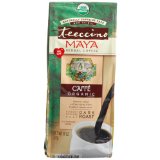
To order Teechino: http://www.klesickfamilyfarm.com/main/order-honey-eggs

For more info go to: http://teeccino.com/faq.html#faq95

Photos from: http://www.ultimate-coffees-info.com/images/f940.jpg

http://www.shop.cbsnuts.com/12oz-Lightly-Salted-Organically-Grown-Valencia-Peanuts-140.htm

http://www.gourmetnut.com/media/catalog/product/cache/1/image/5e06319eda06f020e43594a9c230972d/f/i/file_4_63_1.jpg

Posted on

Know Your Produce: “Excuse me, but do you have the thyme?”

From http://homecooking.about.com

Thyme is one of the best known and most widely-used culinary herbs. It is quite easy to grow and is commonly found as a decorative as well as a functional plant in many home gardens.

You will find thyme a welcome flavor in salads, soups, chowders, sauces, breads, vegetable and meat dishes, and even jellies and desserts.

A member of the mint family, thyme is a perennial evergreen shrub, whose sometimes woody stems are covered with small, gray-green to green leaves. Its small, two-lipped flowers range in color from pale pink to purple and bear quadruplet nutlet fruits. The entire plant is aromatic.

There are over one hundred varieties of thyme, with the most common being Garden Thyme and Lemon Thyme. The many types are so close in appearance, it is often difficult to differentiate them.

Lemon thyme has a slightly more-pronounced lemony fragrance, particularly good with fish. All varieties of thyme are highly attractive to bees.

Honey from bees that feed on thyme flower nectar is a gourmet delight.

Yet interestingly enough, insects are repelled by thyme. Make a cup of thyme tea, put it in a plant mister, and spray around doorways and windows in summer to repel insects.

Posted on

Fresh This Week Tips, Week 10.17.10

Spitzenburg Apples
STORE: To store, keep apples as cold as possible in the refrigerator.
PREP: Gently rub the apple as you run warm water over it to clean. Peel and cut your apple into slices or cubes. To prevent apples from browning, brush with a lemon juice-water solution (1 cup water mixed with 1 teaspoon lemon juice).
USE: This dessert apple is great for cider, apple pies or eating out of hand. It is also rumored to have been a favorite of President Thomas Jefferson!

Bartlett Pears
STORE: Keep pears in a cool, dark place until ripe. To test for ripeness, gently push on the stem. If it gives a little, your pear is ready to eat. Once ripe, pears may be stored in the refrigerator.
PREP: Wash pears in cold water and keep them whole, slice them or chop them.
USE: Bartlett pears are delicious eaten out of hand, but are also great choices for canning or baking.

Beets
STORE: Separate your greens from the beets and keep them in separate plastic bags in the refrigerator. Leave an inch of the greens to prevent flavor loss and bleeding. The beets should last for about a week, but use your greens as soon as possible.
PREP: Scrub your beets and rinse the greens before using.
USE: Beets can be roasted, baked, steamed or eaten raw. The Klesick family loves to boil the beets, quarter them and eat them while they’re still warm with a bit of butter straight out of the pot! Be sure to sauté, steam or braise the tasty greens with a little olive oil and salt.

Cauliflower
STORE: Store cauliflower for up to one week in your crisper covered by a plastic or paper bag.
PREP: Keep whole and chop off ¼ inch off the stem or cut the head into bite-sized florets.
USE: Steam, roast, bake or stir fry cauliflower. Be careful not to overcook!  For a simple, delicious pizza, try this “pizza” with cauliflower crust recommended by a customer (great for those eating gluten free).

Fennel
STORE: Store fresh fennel in the refrigerator crisper. It should keep fresh for about four days, but try to use it as soon as possible for the best flavor.
PREP: Wash your fennel thoroughly to remove all dirt. Don’t be afraid to use all parts of the fennel in cooking: the base, stalks and leaves. The ideal way to slice your fennel is to cut it vertically through the bulb.
USE: Fennel is the unique, crunchy, licorice-tasting vegetable used commonly in Mediterranean cooking. When paired with juicy oranges, the fresh flavor and crisp texture of the fennel really shines. Try this festive Fennel and Orange Salad from kiss my spatula. You can also use fennel leaves as an herbaceous seasoning to entrees or soups.

Posted on

Squeak, Rattle, Crunch, Tear

I have been spending some of the most blissful moments of the farm season during the fall clean up. Ever since I got my new Belgian team, Sally and Sandy, I have been working them a lot. My previous team was a bear to work with and, consequently, they didn’t get worked because it wasn’t any fun. But my new team—aaaaaah!—has been for the most part a dream.
However, the other week I was away for a few days and put them out on pasture so that my kiddos didn’t have to worry about them. I came home, caught them, harnessed them, and set out for the field. Fortunately, my good friend Ken, from Horse Drawn Produce on Lopez, was visiting and we worked them together. Those two fillies were a handful that morning. When it comes to horses, I am a greenhorn, but Ken is a real teamster. I had bought the girls from Ken and he quietly reprimanded me and said, “No more green grass for them.” Our pastures are very rich and so after feeding off them for a week the Belgians were affected like a toddler on soda pop—they were all wound up. It took a couple of hours driving them around the farm to burn off that excess sugar!
I have always pastured my horses and so this experience got me thinking that maybe my previous team was just high strung because their feed was too rich??? I will never really know. However, I did notice today that when I harnessed up Katy, the remaining horse from my first team, for the most part she was amenable working with me. And she has been off pasture for a couple days and eating our local hay. (We have local hay available if you would like some.)
Yesterday and this morning, I harnessed up Sally and Sandy and we backed up and headed out to the field. It was like I was “Driving Miss Daisy.” We leisurely wandered out to the field got the disc and went to work. Squeak, Rattle, Crunch, Tear… all these sounds as the disc cut through the corn stocks. I have never heard a disc as it did its job. When we are on the tractors it is too noisy to hear yourself think let alone a disc cutting and tearing. But even before, when I was using my previous team, I had to concentrate so much on those horses as they raced through the field that I couldn’t enjoy the moment.
But today, Squeak, Rattle, Crunch, Tear… were the sounds of music. I love that sound and nothing could be finer than working with my team, the mountains in the background and the sun shining overhead! Working steady horses on a beautiful day, an old English poet from Suffolk once said, “is a poor excuse for work.” And this farmer said, “Amen.”

Posted on

Know Your Produce: Kale

Kale:

How to Store: Keep kale unwashed (moisture speeds decay) in a plastic bag in the coldest section of the refrigerator, which is usually in the back.

Shelf Life: Because kale contains a lot of water, it doesn’t last long once it has been bought. Use it within 1 to 3 days of purchase for the tastiest results. Kale that has been sitting around can develop a strong bitter flavor.

Best Uses: Kale has a slight cabbage-y taste but none of the bitterness of some other greens, like broccoli rabe. Remove the leaves from the tough center stalk before sautéing or adding them to salads. Try adding 2 cups chopped leaves to a pot of soup. Simmer until tender, about 4 minutes. Kale is also a good substitute for spinach.

Try this delicious sounding recipe for kale and olive oil mashed potatoes! http://www.101cookbooks.com/archives/001566.html

Posted on

Know Your Produce: Potatoes

Image from the Maine Food & Lifestyle blog

  • Potatoes should be kept in a cool, dark place with good ventilation. the ideal storage temperature is 45 to 50 degrees F. At these temperature, the potatoes will keep for several weeks. Do not store potatoes in the refrigerator, as a temperature below 40 degrees F. will cause the potatoes to develop a sweet taste. This is due to the conversion of starch to sugar, which causes potatoes to darken when cooked.
  • If you store potatoes at room temperature, use them within a week or so.
  • Wait to wash potatoes, until you are ready to use them, as they will keep longer & this prevents loss of nutrients.
  • It is not recommended that you freeze cooked potato dishes, as they tend to become watery after reheating. As the potato is 80% water, this water separates from the starch causing the reheated potato dish to be watery.
  • Potatoes are easier to prepare and healthier for you when cooked with their skins on. Always rinse and scrub the potatoes thoroughly before using.
  • When you are using cut up potatoes in your cooking, preserve the color by place them in cold water. Limit the water soaking time to two (2) hours to retain the water-soluble vitamins. Color discoloration (pinkish or brownish) happens from the carbohydrates in the potato reacting with oxygen in the air. Potatoes that do become discolored in this way are safe to eat and do not need to be thrown. Usually the color discoloration will disappear with cooking.
  • Sometimes potatoes will get a spot that is a greenish hue. A potato in this condition is “light-struck” which causes a build-up of a chemical called Solanine. This is a natural reaction to the potato being exposed to too much light. (store out of light!) The green part, if eaten in large quantity, can cause illness. If there is slight greening, cut away the green portions of the potato skin before cooking and eating.

See http://whatscookingamerica.net/potato.htm

For more tips on boiling, baking and making mashed potatoes.

Posted on

Know Your Produce: Shiitake Mushrooms

Long a symbol of longevity in Asia because of their health-promoting properties, shiitake mushrooms have been used medicinally by the Chinese for more than 6,000 years.

Shiitake mushrooms are an excellent source of selenium and a very good source of iron. They are also a good source of protein, dietary fiber and vitamin C.


Tips for preparing Shiitake Mushrooms:

Mushrooms are very porous, so if they are exposed to too much water they will quickly absorb it and become soggy. Therefore, the best way to clean mushrooms without sacrificing their texture and taste is to clean them using minimal, if any, water. To do this, simply wipe them with a slightly damp paper towel or kitchen cloth. You could also use a mushroom brush, available at most kitchenware stores.

If the fresh mushrooms become dried out because of being stored for too long, soak them in water for thirty minutes.

A Few Quick Serving Ideas:

Shiitake mushrooms are traditionally added to miso soup.

Healthy sauté mushrooms with onions and garlic. Serve as a side dish or as a topping for chicken, beef, lamb or venison.

To give your vegetable stock an extra depth, add dried shiitake mushrooms.

Posted on

Know Your Produce: Swiss Chard

Chard belongs to the same family as beets and spinach and shares a similar taste profile: it has the bitterness of beet greens and the slightly salty flavor of spinach leaves. Both the leaves and stalk of chard are edible, although the stems vary in texture with the white ones being the most tender.

To store, place unwashed chard in the refrigerator in a plastic bag. It will keep fresh for several days. If you have large batches of chard, you can blanch the leaves and then freeze them.

To prep: Wash the chard well to remove any sand or soil that may be hidden in the leaves. One way to do this is to immerse pieces of cut chard in a bowl of cool water, swirling them around to remove any dirt and then quickly rinsing them with cool running water. Trim the bottom end of the stalk. If you find the stalks to be more fibrous than desired, make incisions near the base of the stalk and peel away the fibers, like you would do with celery.

To enjoy: Treat chard much like you would any other green (spinach, kale, bok choy), sauté, steam, or chop and add to soups, casseroles, and pasta dishes. Chard can also be baked into “chips” by removing the stems and tossing with sea salt and olive oil. Place on a baking sheet covered with parchment paper and bake in a preheated 350°F oven for 10-15 minutes, until the edges are brown but not burnt.